Space-Based Solar Power: Harnessing the Sun from Orbit

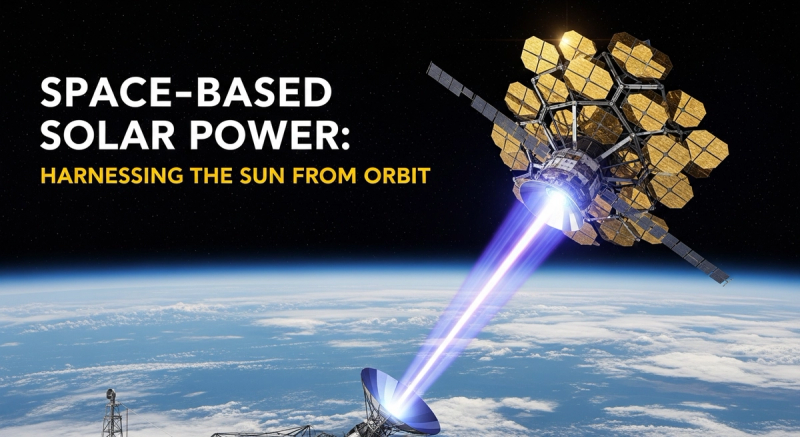
Imagine a solar farm that never sleeps, immune to clouds, seasons, or the setting sun. This isn't science fiction—it's the ambitious vision of space-based solar power (SBSP). By capturing sunlight in orbit and beaming it to Earth, SBSP promises limitless clean energy, 24/7. As climate concerns intensify and energy demands surge, this orbital approach could revolutionize how we power our planet. But how feasible is it, and what hurdles must we clear to turn this dream into reality? Let's explore the celestial frontier of energy generation.
The Vision of Space-Based Solar Power
First proposed by engineer Peter Glaser in 1968, space-based solar power has long lingered on the fringes of energy innovation. Unlike terrestrial solar farms limited by daylight and weather, SBSP satellites would orbit 35,786 kilometers above Earth—beyond the planet's shadow. Here, they'd unfurl vast solar arrays, soaking up unfiltered sunlight at intensity 40% stronger than on Earth's surface. The captured energy would be converted into microwave or laser beams, transmitted safely through the atmosphere to ground stations, and converted back into electricity. The potential is staggering: a single SBSP array could generate 1-2 gigawatts of power—enough to power 500,000 homes. Yet, this vision remains tantalizingly out of reach, caught between technological promise and practical challenges.
Why Orbit Trumps Earth for Solar Harvesting
Solar panels on Earth face constant battles: cloudy days reduce efficiency by 80%, nights halt production entirely, and seasonal dips cut winter output by 50%. Space-based solar power eliminates these constraints. Satellites orbit outside Earth's atmosphere, where sunlight never dims, and there's no weather to disrupt collection. This translates to 4-5 times more energy capture per panel compared to terrestrial solar. For businesses and nations seeking reliable renewable energy, SBSP offers a game-changer. It could provide consistent baseload power, unlike intermittent wind or solar. Imagine factories running uninterrupted during storms or cities staying lit through polar winters. The global energy transition hinges on solutions that match fossil fuels' reliability—SBSP could be that silver bullet.
Key Advantages of Orbital Solar
- 24/7 Energy Generation: No day/night cycle or seasonal variations.
- Higher Efficiency: Unfiltered sunlight maximizes collection.
- Land Conservation: No need for vast terrestrial plots—panels float in space.
- Global Reach: Energy beams can serve remote areas without infrastructure.
How Space-Based Solar Power Works: A Step-by-Step Breakdown
Turning sunlight from orbit into usable electricity involves a four-step process. First, massive solar panels—stretching kilometers wide—convert sunlight into direct current (DC). Second, this energy is transformed into microwaves or lasers via solid-state transmitters. These beams are directed toward Earth using phased-array antennas, steering with pinpoint accuracy. Third, ground-based receivers—called rectennas—capture the energy and convert it back to DC. Finally, this electricity is fed into the grid. The entire chain relies on cutting-edge engineering: lightweight, radiation-resistant solar cells, high-efficiency transmission tech, and precise beam-shaping algorithms. While the concept is elegant, the execution demands breakthroughs in materials science and robotics. For instance, deploying and maintaining solar arrays in space requires autonomous assembly, a challenge that innovative robotics are beginning to address.
The Road Ahead: Challenges and Opportunities
Despite its promise, SBSP faces monumental hurdles. Launching satellites into orbit costs thousands per kilogram—building a 2 GW system could require 5,000 launches. That's prohibitively expensive with current rocket technology. Then there's transmission efficiency: microwaves lose 5-15% of energy during beaming, while lasers face atmospheric interference. Safety concerns also loom—errant beams could fry electronics or harm wildlife. Politically, no clear international laws govern space energy rights, risking conflicts over orbital resources. Yet, recent breakthroughs are chipping away at these barriers. Reusable rockets like SpaceX's Starship could slash launch costs by 90%. Meanwhile, AI-driven energy management systems could optimize beam targeting and grid integration. And as solar tech advances, lighter panels and higher-efficiency cells could make orbital arrays feasible within decades.
Business and Economic Implications
For businesses, SBSP could mean energy independence and carbon neutrality. Companies like the European aerospace giant Airbus are already investing in prototype systems. If deployed, SBSP could create a $21 trillion market by 2050, according to the International Academy of Astronautics. It also complements terrestrial renewables: while energy storage buffers solar intermittency, SBSP provides constant power. Even so, initial projects will likely target niche markets—remote military bases or data centers—before scaling. Governments, too, see strategic value: Japan and China have earmarked billions for SBSP research, viewing it as a path to energy security. The U.S. Naval Research Lab, meanwhile, tested a prototype in 2023, beaming 1.6 kW of power across 1.2 kilometers. These milestones prove the concept works; now, it's a matter of scaling.
Conclusion: A Celestial Energy Revolution?
Space-based solar power isn't just about cleaner energy—it's about redefining our relationship with the sun. By harvesting sunlight where it's most abundant, we could unlock a future where energy is unlimited, affordable, and universally accessible. The path forward is fraught with technical, economic, and political challenges, but the stakes are too high to ignore. As climate change accelerates and global energy needs soar, SBSP represents a bold, audacious solution. It won't be easy, but few revolutions are. With sustained innovation, international cooperation, and private-sector drive, the day might come when Earth is powered by the sun—and orbit. Until then, we'll continue refining the tools—be they green hydrogen or AI-optimized grids—to bridge the gap to this celestial energy dawn.
How does space-based solar power compare to terrestrial solar?
SBSP generates 4-5 times more energy per panel due to uninterrupted sunlight and atmospheric transparency. However, it requires massive upfront investment and complex infrastructure, unlike rooftop solar which is accessible today.
What are the biggest technical challenges?
Key challenges include reducing launch costs, developing efficient wireless transmission, and creating lightweight, durable solar arrays. Beam safety and space debris mitigation are also critical concerns.
When could we see operational SBSP?
Prototype demonstrations are expected by 2030, with pilot plants potentially online by 2040. Widespread adoption depends on cost reductions and regulatory frameworks, likely post-2050.
Is SBSP safe for humans and wildlife?
Microwave beams are designed to dissipate harmlessly, but strict safety protocols are essential. Ground-based "rectennas" require security measures to prevent unauthorized access or interference.
How much would energy from SBSP cost?
Early estimates suggest $0.10–$0.20 per kilowatt-hour—competitive with fossil fuels once scaling begins. Costs could drop below $0.05 if launch technologies advance significantly.
Related Tags

About the Author
Freya O'Neill
freya-o-neill is a technology journalist specializing in artificial intelligence, software innovation, cybersecurity, and emerging digital trends. She enjoys explaining complex technologies in clear, accessible language for both professionals and everyday readers.
Enjoyed this article?
Check out more content on our blog or follow us on social media.
Browse more articles