Energy Storage Solutions for Businesses

In today's rapidly evolving energy landscape, businesses are increasingly turning to energy storage solutions to manage costs, ensure reliability, and support sustainability goals. With rising electricity prices and the push towards renewable integration, energy storage systems allow companies to store excess power and use it strategically. This guide explores the key aspects of energy storage for businesses, including types, benefits, implementation, and future trends.
What Are Energy Storage Solutions?
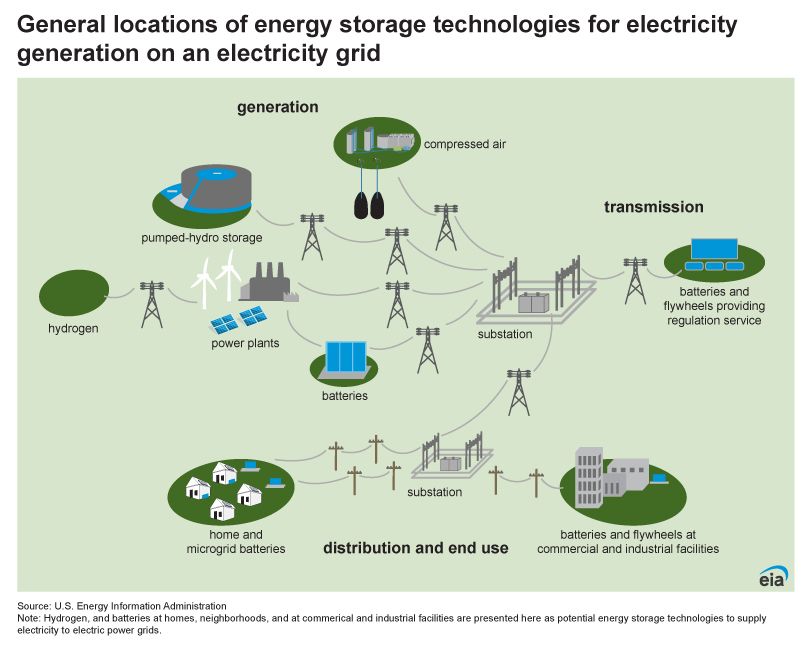
Energy storage refers to technologies that capture energy produced at one time for use at a later time. For businesses, this often means storing electricity from the grid, solar panels, or other renewables in forms like batteries or chemical storage. These systems help bridge the gap between energy supply and demand, making operations more efficient and resilient.
Common applications include commercial and industrial settings where power demands fluctuate, such as manufacturing plants, data centers, or retail spaces. By deploying scalable storage, businesses can avoid peak pricing and maintain operations during outages.
Types of Energy Storage Technologies for Businesses
Businesses have access to a variety of energy storage options, each suited to different scales and needs. Here's an overview of the most popular types:
- Battery Energy Storage Systems (BESS): The most common and scalable option, using lithium-ion or advanced batteries like Tesla Powerwall or repurposed EV batteries. These can range from small units (10 kWh) for offices to utility-scale arrays (1,000,000 kWh) for large facilities. They provide quick response times for services like voltage control and peak shaving.
- Flow Batteries: Technologies like vanadium flow batteries offer long-duration storage, ideal for commercial users aiming to cut electricity costs by up to 50%. They store energy in liquid electrolytes and are great for integrating with solar PV systems.
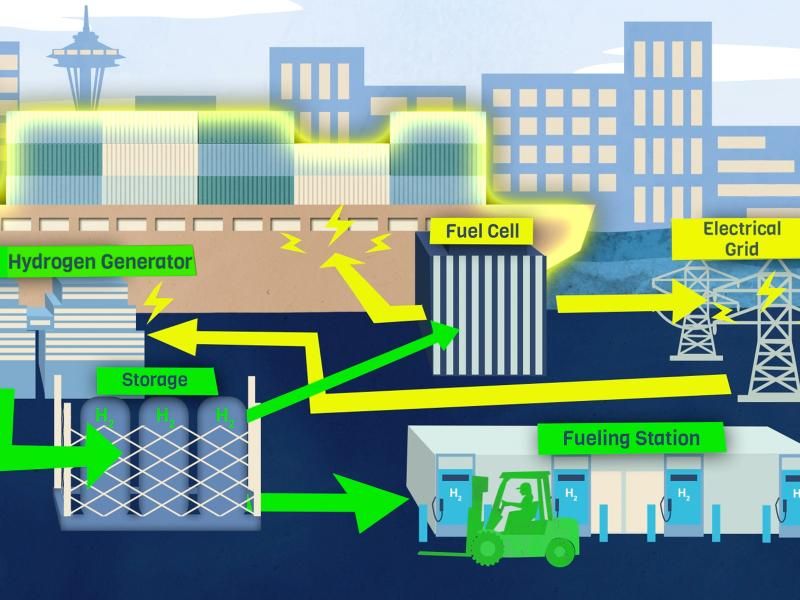
- Chemical Storage (e.g., Hydrogen): Converts electricity into hydrogen for later use, suitable for off-grid or high-emission reduction applications. Emerging solutions like e-Zinc's zinc-based systems provide cost-effective long-duration storage, potentially reducing CO₂ emissions by displacing fossil fuels.
- Other Technologies: Includes pumped hydro or compressed air, though these are less common for urban businesses due to space requirements.
Benefits of Energy Storage for Businesses
Implementing energy storage offers tangible advantages that directly impact the bottom line and operational stability:
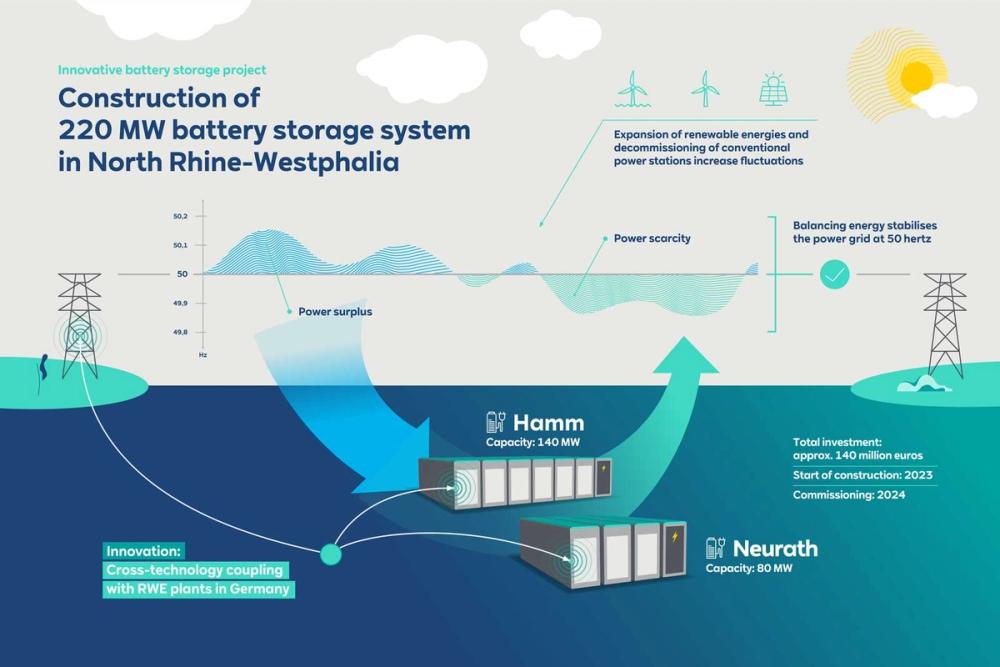
- Cost Savings: Through strategies like energy arbitrage (charging during low-rate periods and discharging during high ones) and peak shaving (reducing demand charges), businesses can lower bills significantly. For instance, commercial tariffs are rising annually, but storage mitigates this by offsetting demand with stored renewables.
- Reliability and Resilience: Provides backup power during grid outages, ensuring uninterrupted operations for critical sectors like healthcare or EV charging stations.
- Sustainability: Enhances renewable integration, such as storing solar excess for on-demand use, supporting carbon reduction goals. In Canada, for example, storage can displace diesel in remote areas, cutting emissions by 0.118 tonnes CO₂e per kWh.
- Revenue Opportunities: In some markets, businesses can sell ancillary services back to the grid, like frequency regulation or reactive power.
Implementing Energy Storage in Your Business
To get started:
- Assess Needs: Evaluate your energy usage patterns, peak demands, and renewable sources.
- Choose the Right System: Opt for modular batteries for scalability or flow batteries for longer durations. Providers like PowerFlex or Moment Energy offer tailored commercial solutions.
- Installation and Integration: Partner with experts for seamless setup, often combined with solar panels.
- Financing: Look into incentives, grants, or leasing options to minimize upfront costs.
Future Trends: AI in Energy Storage
As energy systems grow more complex, artificial intelligence (AI) is revolutionizing optimization. AI algorithms can predict demand, automate charging/discharging, and enhance grid interactions, making storage even more efficient for businesses.
Conclusion
Energy storage solutions empower businesses to take control of their energy future, reducing costs while advancing sustainability. Whether through batteries, flow systems, or innovative chemical storage, the right choice can transform operations. Consult with providers to explore options tailored to your needs.
Related Tags

About the Author
Freya O'Neill
freya-o-neill is a technology journalist specializing in artificial intelligence, software innovation, cybersecurity, and emerging digital trends. She enjoys explaining complex technologies in clear, accessible language for both professionals and everyday readers.
Enjoyed this article?
Check out more content on our blog or follow us on social media.
Browse more articles