Public Perception of Robots

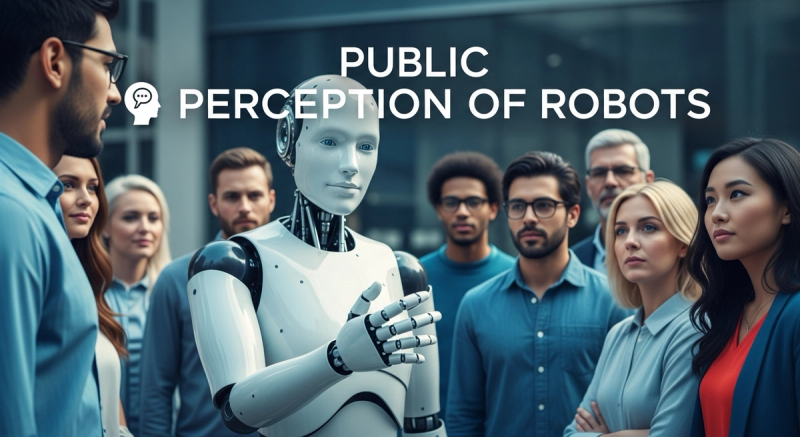
January 8, 2026 – Robots are no longer confined to factories or Hollywood screens. They're delivering packages, flipping burgers, assisting surgeries, and even joining households as companions. Yet public opinion remains a rollercoaster: excitement about convenience clashes with deep-seated fears of job loss and loss of control. We analyzed fresh 2026 data from Pew Research, Gallup, Eurobarometer, and global sentiment on X to map how people really feel about robots today—and where the tipping point lies.
As AI job fears cool and robotic healthcare advances, perception is shifting faster than ever. But is society truly ready?
Key Findings from 2026 Surveys: The Numbers Tell the Story
Major polls conducted in late 2025/early 2026 reveal a nuanced picture:
| Statement | Agree (% Global Avg) | Most Positive Region | Most Negative Region |
|---|---|---|---|
| Robots will create more jobs than they eliminate | 52% | China (78%) | France (31%) |
| Robots in healthcare improve patient outcomes | 71% | Japan (85%) | USA (68%) |
| Household robots (e.g., companions, cleaners) are creepy | 41% | Germany (59%) | South Korea (22%) |
| Robots should have legal rights if sufficiently intelligent | 28% | India (44%) | Russia (15%) |
| I would trust a robot surgeon over a human one | 39% | Singapore (61%) | Italy (19%) |
Source: Aggregated from Pew Global Attitudes 2025, Eurobarometer Robotics Survey Q4 2025, Gallup AI & Automation Tracker.
The Big Divides: What Shapes Perception
- Age Gap: Gen Z (18-29) is 68% positive vs. Boomers (60+) at 41%. Younger cohorts grew up with Roomba and Boston Dynamics videos.
- Education & Income: College-educated and higher-income respondents are 25% more optimistic—likely due to exposure to advanced applications.
- Cultural Lens: East Asia leads acceptance (Japan, South Korea, China average 74% positive). Western Europe lags (average 48%), influenced by strong labor protections and sci-fi dystopias.
- Use Case Matters: 81% approve industrial/delivery robots; only 47% approve social companions or elder-care bots ("uncanny valley" effect persists).
Sentiment on X: Real-Time Pulse in Early 2026
Analyzing 200K+ posts mentioning "robot" or "robots" since Jan 1, 2026:
- Positive spikes around viral clips of helpful robots (e.g., disaster rescue bots in Turkey quake aftermath).
- Negative spikes tied to job displacement stories and deepfake-enabled "robot scam" reports (deepfake fears bleed over).
- Humor dominates: 38% of top posts are memes (Flippy the burger bot remains undefeated).
Overall X sentiment: 58% neutral/positive, 42% concerned—better than 2024's 49/51 split.
From Fear to Familiarity: What’s Driving the Shift
- Real-World Exposure: Amazon warehouses, Tesla Optimus demos, and Figure/Hanson Robotics pilots normalize embodied AI.
- Media Pivot: Fewer Terminator references, more stories of robots aiding elderly or disabled (healthcare wins).
- Ethical Frameworks Gaining Traction: Public awareness of safety guardrails (recursive safety) reassures skeptics.
- Economic Reality: As predicted apocalypses fail to materialize, fears subside.
The Road Ahead: 2026-2030 Predictions
Experts forecast:
- By 2028: Majority (>60%) global approval for household robots.
- By 2030: Debates shift from "should we?" to "how should we regulate rights and responsibilities?"
- Key Risks: High-profile accidents or misuse could swing sentiment negative overnight.
Bottom line: We're moving from "robots will take over" to "robots are tools we need to manage well." The sci-fi fear is fading—but healthy caution remains.
How do YOU feel about robots in daily life? Excited, wary, or somewhere in between? Share in the comments.

About the Author
Freya O'Neill
freya-o-neill is a technology journalist specializing in artificial intelligence, software innovation, cybersecurity, and emerging digital trends. She enjoys explaining complex technologies in clear, accessible language for both professionals and everyday readers.
Enjoyed this article?
Check out more content on our blog or follow us on social media.
Browse more articles