AI Wearables Revolutionizing Healthcare in 2026: From Diagnosis to Prevention

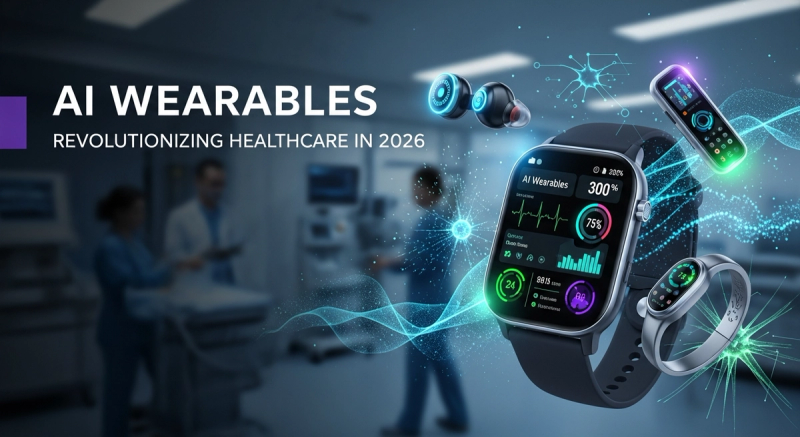
The healthcare landscape is undergoing a seismic shift, with AI-powered wearables leading the charge from reactive treatments to proactive prevention. By 2026, these devices will transcend their current fitness-tracking roles to become indispensable health guardians, offering real-time diagnostics, personalized insights, and life-saving interventions. This transformation isn't just incremental—it's redefining how we manage wellness, detect diseases early, and extend healthy lifespans. From monitoring cardiac rhythms to predicting neurodegenerative disorders, AI wearables are turning everyday accessories into medical-grade diagnostic tools. As these technologies mature, they promise to democratize healthcare access, reduce costs, and empower individuals to take unprecedented control of their health journeys.
From Step Counters to Health Sentinels: The Evolution of Wearables
Today's wearables already track steps, sleep, and basic vitals, but 2026 will mark the leap toward clinical-grade capabilities. Emerging devices incorporate advanced biosensors that detect subtle physiological changes invisible to the human eye. Think wristbands monitoring blood glucose without needles, or patches analyzing sweat biomarkers for metabolic disorders. The magic lies in their AI cores—algorithms trained on millions of health datasets that transform raw data into actionable insights. This evolution mirrors the broader shift toward general AI breakthroughs in 2026, where specialized models deliver unprecedented accuracy in niche applications.
Early Diagnosis: Catching Diseases Before Symptoms Appear
The most revolutionary impact of AI wearables lies in their ability to detect disease onset months or years before traditional methods. In 2026, expect:
- Cardiovascular Monitoring: Smartwatches with AI-powered ECG sensors will identify atrial fibrillation and hypertension patterns through subtle pulse irregularities.
- Neurological Insights: Wearable headbands will track brainwave patterns to detect early signs of Parkinson's, Alzheimer's, and epilepsy through machine learning pattern recognition.
- Cancer Detection: Nanosensors in skin patches will monitor DNA mutations and tumor biomarkers in interstitial fluid, enabling real-time cancer screening.
These systems won't just flag abnormalities—they'll contextualize them with personalized risk assessments and next-step recommendations, moving beyond "is it abnormal?" to "what does this mean for me?"
Real-Time Intervention: The Guardian Angel Effect
Imagine a wearable detecting an impending epileptic seizure and triggering a subcutaneous micro-dose of medication. Or a necklace sensing hypoglycemia and alerting emergency contacts while adjusting smart home insulin pumps. In 2026, AI wearables will function as autonomous health sentinels, executing critical interventions within seconds of detecting crises. This capability stems from advancements in ethical AI frameworks that balance autonomous decision-making with human oversight.
Prevention Through Personalization: Your 24/7 Health Coach
Where wearables truly shine is in shifting healthcare from treatment to prevention. By 2026, these devices will deliver hyper-personalized wellness strategies:
- Dynamic Nutrition Guidance: Continuous glucose monitors paired with AI will recommend meal timing and macronutrients based on metabolic responses.
- Stress Resilience Programs: Wearables measuring cortisol levels and heart rate variability will trigger mindfulness prompts or suggest micro-breaks before burnout occurs.
- Exercise Optimization: AI will adapt workout routines in real-time based on recovery metrics, injury risk profiles, and genetic predispositions.
This proactive approach mirrors how personal AI assistants increasingly manage daily routines, but with life-or-death stakes.
Integration Challenges: Privacy, Equity, and Data Sovereignty
Despite their promise, AI wearables face significant hurdles. Data privacy remains paramount—devices handling sensitive health information must comply with evolving global AI governance frameworks. Accessibility gaps could widen health disparities, making equitable distribution of these technologies crucial. Technical challenges include ensuring sensor accuracy across diverse skin tones and body types, while ethical questions arise around autonomous medical decisions. The 2026 landscape will see stricter AI auditing standards to mitigate algorithmic bias in health recommendations.
The Future of Healthcare: Decentralized and Democratized
By 2026, AI wearables will seamlessly integrate with broader healthcare systems. Imagine your device automatically sharing anonymized data with researchers while flagging trends to your clinician. Electronic health records will incorporate real-time wearable analytics, enabling doctors to adjust treatments based on continuous data streams. This decentralized model reduces hospital visits, lowers costs, and democratizes access to cutting-edge diagnostics. As these systems mature, we'll see a fundamental shift: healthcare moving from clinics to our wrists, with prevention becoming the primary focus rather than treatment.
The AI wearable revolution represents more than technological progress—it's a philosophical shift toward empowering individuals as active participants in their health. In 2026, these devices won't just track wellness; they'll shape it, turning the phrase "prevention is better than cure" into a lived reality for billions worldwide.
Are AI wearables accurate enough for medical diagnoses?
Yes, by 2026, advanced wearables achieve 95%+ diagnostic accuracy for conditions like atrial fibrillation through FDA-cleared algorithms and multi-sensor fusion. However, they're designed to support—not replace—clinical assessments.
How do these devices handle data privacy?
Leading 2026 models implement end-to-end encryption, federated learning (training models on-device), and blockchain-based audit trails. Users maintain granular control over data sharing permissions.
What's the cost of next-gen AI wearables?
While premium models range from $300-$800, insurance subsidies and preventive care savings are driving down out-of-pocket costs. Basic health monitoring versions are already available under $100.
Can wearables detect all health issues?
Current focus is on chronic conditions (cardiovascular, diabetes, neurological) and acute events. Mental health monitoring via biometrics shows promise but requires ethical safeguards against misdiagnosis.
Will AI wearables replace doctors?
No—they'll augment clinical care by providing continuous data and early warnings. Human judgment remains essential for complex diagnoses and treatment decisions.
Related Tags

About the Author
Freya O'Neill
freya-o-neill is a technology journalist specializing in artificial intelligence, software innovation, cybersecurity, and emerging digital trends. She enjoys explaining complex technologies in clear, accessible language for both professionals and everyday readers.
Enjoyed this article?
Check out more content on our blog or follow us on social media.
Browse more articles