Productivity Homs for Freelancers: Crafting Your Ultimate Workspace for Success

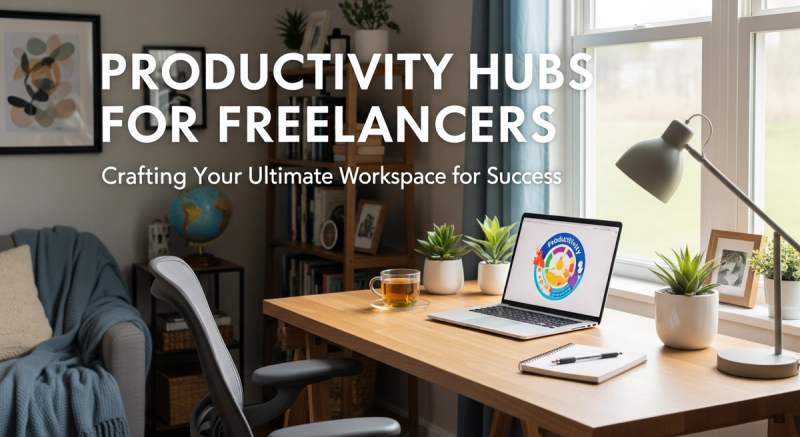
Freelancing offers unparalleled freedom and flexibility, but it also demands exceptional self-discipline. Without the structure of a traditional office, maintaining productivity can feel like an uphill battle. That’s where productivity homs come in – not just physical spaces, but holistic systems designed to maximize efficiency, focus, and well-being. Whether you’re a seasoned freelance writer, virtual assistant, or creative professional, transforming your home into a productivity hub is essential for sustainable success.
Why Productivity Homs are Non-Negotiable for Freelancers
Unlike salaried employees with built-in accountability systems, freelancers juggle client demands, administrative tasks, and personal projects simultaneously. A productivity hom eliminates distractions, establishes clear workflows, and creates psychological separation between work and leisure. Research shows that dedicated workspaces boost output by up to 50% while reducing stress. Without intentional design, freelancers risk burnout, missed deadlines, and inconsistent quality – all of which can damage client relationships and income stability.
The Core Components of an Effective Productivity Hom
Building a productivity hom involves four interconnected pillars:
- Physical Environment: Ergonomic furniture, optimal lighting, and clutter-free zones reduce physical fatigue and mental distractions.
- Temporal Boundaries: Structured schedules and rituals create predictability, preventing work from bleeding into personal time.
- Technological Infrastructure: Reliable tools automate repetitive tasks and streamline communication.
- Mindset Systems: Goal-setting frameworks and focus techniques align daily actions with long-term objectives.
Designing Your Physical Productivity Hom
Your workspace profoundly impacts cognitive function. Start by investing in ergonomic essentials: a supportive chair, adjustable desk, and monitor at eye level. Natural light is ideal, but if unavailable, opt for 5,000K temperature bulbs to mimic daylight. Position your desk facing a wall (not a high-traffic area) to minimize visual interruptions. Crucially, create distinct zones – a "deep work" area for concentration and a "collaboration corner" for calls. Clutter-free surfaces also enhance mental clarity, so use vertical storage and implement a "one-touch" rule for incoming items.
Optimizing Your Digital Workspace
Digital clutter sabotages focus as much as physical mess. Implement these strategies:
- Use apps like Trello or Notion to centralize project management
- Enable "Do Not Disturb" modes during focus blocks
- Automate invoicing with tools like Wave or FreshBooks
- Organize files with consistent naming conventions
For freelancers transitioning into virtual assistance, mastering digital organization is particularly critical. Adapting VA-specific tools can significantly streamline client workflows.
Establishing Routines That Stick
Consistency trumps intensity when building productivity. Start your day with a 90-minute "power block" for high-impact work, aligning tasks with your circadian rhythm. Use the Pomodoro Technique (25-minute focus intervals) for deep concentration. Schedule "shutdown rituals" at 5 PM – review completed tasks, plan tomorrow’s priorities, and tidy your space. This mentally transitions you into personal time, preventing evening work creep.
Setting Boundaries That Protect Your Energy
Freelancers often struggle with saying "no" to clients or overcommitting to projects. Implement these boundaries:
- Define core work hours and communicate them upfront
- Use scheduling tools like Calendly to limit meeting slots
- Batch similar tasks (e.g., invoicing, social media) into dedicated blocks
- Disconnect notifications after work hours
Remember, protecting your time isn’t selfish – it ensures you deliver quality work. Sustainable success requires pacing yourself through both busy seasons and slower periods.
Leveraging Technology Without Becoming Overwhelmed
While apps can boost productivity, too many create decision fatigue. Focus on "stack integration" – tools that sync seamlessly. For example, pair project management software with time-tracking apps like Clockify. Financial apps like YNAB also help freelancers manage irregular income, reducing financial anxiety that derails focus. Automate everything possible: social media scheduling, email filters, and client onboarding processes.
Advanced Focus Strategies for Deep Work
When tackling complex projects:
- Implement "theme days" (e.g., Mondays for writing, Tuesdays for client calls)
- Use noise-canceling headphones or brown noise apps to mask distractions
- Adopt the "Eat the Frog" method – tackle your hardest task first
- Review productivity frameworks tailored to your niche
Common Productivity Pitfalls and How to Avoid Them
Even well-designed systems can fail if freelancers fall into these traps:
- Perfectionism Paralysis: Set "good enough" deadlines for non-critical tasks. Remember, done beats perfect.
- Client Creep: Define clear scope boundaries in contracts. Use change orders for additional requests.
- Isolation Burnout: Schedule virtual coworking sessions or join freelance communities for accountability.
- Over-Reliance on Motivation: Build systems that work even on low-energy days. Routines trump mood.
Measuring and Iterating Your Productivity Hom
Productivity isn’t static. Weekly reviews should track:
- Time spent on high-value vs. low-value tasks
- Project completion rates
- Revenue per hour
- Energy levels post-work
Adjust quarterly based on these metrics. If administrative tasks consume too much time, consider delegating to virtual assistants or using AI tools. Goal-setting frameworks like OKRs can help align these adjustments with your business growth targets.
Creating a productivity hom is an ongoing experiment – not a one-time setup. The most successful freelancers treat their systems like evolving blueprints, constantly refining them to match changing client needs and personal energy patterns. By thoughtfully designing your physical space, routines, technological tools, and mental frameworks, you transform your home from a potential distraction hub into a launchpad for professional fulfillment and financial stability.
What exactly is a "productivity hom"?
A productivity hom refers to a freelancer’s integrated system of physical workspace, routines, tools, and mindset practices designed to maximize efficiency, focus, and work-life balance. It goes beyond a simple home office to create holistic conditions for consistent high performance.
How much should I invest in my productivity hom setup?
Start with essentials: ergonomic chair ($100-$300), adjustable desk ($200-$500), and noise-canceling headphones ($100-$200). Avoid overspending on niche tools until your workflow stabilizes. Many freelancers achieve 80% of results with 20% of high-impact investments.
Can I have a productive hom in a small living space?
Absolutely. Use "micro-productivity" strategies: foldable desks, noise-reducing dividers, and shared calendar systems with roommates. Vertical storage and multi-functional furniture maximize limited square footage. Focus on digital minimalism – a cluttered desktop negates any physical space benefits.
What’s the biggest mistake freelancers make with productivity?
Underestimating the importance of boundaries. Many freelancers work from bed, skip breaks, or allow 24/7 client communication. This blurs work-life separation, leading to burnout. Physical and temporal boundaries are non-negotiable for sustainable success.
How often should I redesign my productivity system?
Conduct quarterly reviews to assess what’s working. Major overhauls typically coincide with business pivots (e.g., adding new services, targeting new clients). Small tweaks should happen monthly based on performance metrics and energy levels.
Related Tags

About the Author
Freya O'Neill
freya-o-neill is a technology journalist specializing in artificial intelligence, software innovation, cybersecurity, and emerging digital trends. She enjoys explaining complex technologies in clear, accessible language for both professionals and everyday readers.
Enjoyed this article?
Check out more content on our blog or follow us on social media.
Browse more articles