Setting Freelance Goals: Your Blueprint for Sustainable Success

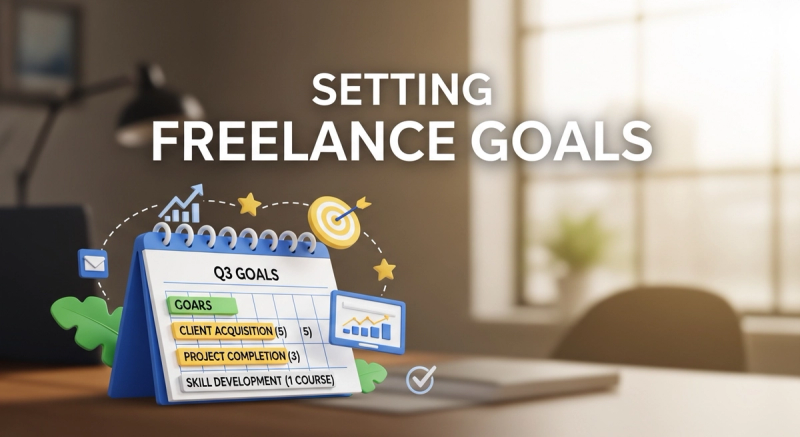
Freelancing offers unparalleled freedom, but without intentional direction, that freedom can quickly become overwhelming. Setting freelance goals isn't just about hitting targets—it's about creating a sustainable career that aligns with your personal vision and professional ambitions. Whether you're just starting out or looking to scale your business, intentional goal setting transforms vague aspirations into actionable plans. This guide walks through the process of setting meaningful goals that drive growth, maintain motivation, and prevent burnout in the unpredictable freelance landscape.
Why Freelancers Absolutely Need Goals
Unlike traditional employees with built-in career paths, freelancers must design their own professional journeys. Without goals, you risk drifting from project to project without building momentum or long-term value. Clear goals provide a compass for decision-making, help prioritize opportunities, and create measurable progress markers. They also combat the isolation of solo work by giving you tangible benchmarks to celebrate and adjust toward.
The High Cost of Aimless Freelancing
Freelancers without goals often experience:
- Inconsistent income due to reactive client acquisition
- Scope creep on projects because boundaries aren't defined
- Burnout from working excessively without strategic breaks
- Skill stagnation as reactive work replaces intentional growth
Conversely, freelancers with structured goals report 40% higher satisfaction rates according to recent industry surveys. Goals create a safety net during slow periods and a launchpad during growth phases.
Types of Goals Every Freelancer Should Consider
Effective freelance goal setting spans multiple life dimensions. Ignoring any area creates imbalance that undermines long-term success. Consider these interconnected goal categories:
Financial Goals: The Foundation of Stability
These address income security and growth:
- Minimum monthly income requirements
- Revenue growth targets (e.g., 20% YoY increase)
- Profit margin objectives (aiming for 30%+ after expenses)
- Emergency fund milestones (3-6 months of expenses)
For detailed financial strategies, explore our guide on managing freelance finances.
Career Development Goals: Building Your Brand
These focus on professional growth:
- Acquiring in-demand skills (e.g., "Complete UX certification by Q3")
- Building authority through content creation
- Expanding service offerings (e.g., "Add consulting packages by year-end")
- Targeting premium clients with higher budgets
Work-Life Integration Goals: Preventing Burnout
Sustainable freelancing requires boundaries:
- Weekly hour limits (e.g., max 30 billable hours)
- Strategic vacation planning
- Non-negotiable personal time blocks
- Client availability boundaries
Implementing the SMART Framework for Freelance Goals
The most effective freelance goals follow the SMART methodology: Specific, Measurable, Achievable, Relevant, and Time-bound. This framework turns vague wishes like "earn more money" into actionable plans.
Step-by-Step SMART Goal Setting
- Specific: Replace "get more clients" with "Land three retainer clients by December"
- Measurable: Quantify everything (dollars, hours, project count)
- Achievable: Set stretch goals but avoid unrealistic targets (e.g., 100% income increase in one month)
- Relevant: Align goals with your long-term vision
- Time-bound: Include deadlines for accountability
For example: "Increase average project rate by 25% (measurable) within six months (time-bound) by completing three advanced certifications (specific) to attract higher-budget clients (relevant)."
Breaking Down Goals into Actionable Milestones
Large goals can feel paralyzing. Break them into quarterly, monthly, and weekly milestones:
- Quarterly: Major skill acquisition or client acquisition targets
- Monthly: Supporting objectives (e.g., "Create five portfolio pieces")
- Weekly: Micro-actions (e.g., "Send five outreach emails")
Project management tools like Trello or Asana help visualize these milestones. Schedule weekly reviews to track progress against your timeline.
Tracking Systems That Actually Work
Measurement requires simple systems:
- Financial: Accounting software with revenue dashboards
- Client Growth: CRM tracking lead-to-client conversion rates
- Skill Development: Learning platform progress trackers
Set calendar reminders for monthly goal reviews. During these sessions, ask:
- What worked this month?
- What needs adjustment?
- Are my goals still relevant?
Adapting Goals in a Changing Market
The freelance landscape evolves rapidly. Quarterly goal reviews should include market analysis:
- Industry trends affecting your niche
- Client feedback on service delivery
- Personal skill gaps emerging
Flexibility doesn't mean abandoning goals—it means refining them. When COVID shifted demand for print designers, many successfully pivoted to digital branding services through goal-based transitions.
Conclusion: Goals as Your Freelance Compass
Setting freelance goals transforms the chaos of self-employment into a structured journey. Well-defined objectives provide clarity during uncertain times, motivation during challenging projects, and a roadmap for sustainable growth. Start small—choose 2-3 critical goals for the next quarter—and build momentum. Remember that goals are living documents; revising them quarterly keeps your business aligned with both market realities and personal evolution. The most successful freelancers aren't necessarily the most talented—they're the most intentional about where they're heading.
How often should I review my freelance goals?
Monthly reviews track progress, while quarterly assessments allow for strategic pivots. Annual goal-setting sessions should align with broader life and career transitions. Use weekly check-ins to maintain momentum toward monthly targets.
What if I consistently miss my goals?
Analyze why targets aren't being met. Are they unrealistic? Are you underestimating time requirements? Adjust timelines, break goals into smaller steps, or eliminate non-essential objectives. Missing goals indicates needed refinement, not failure.
Should I set different goals based on my freelance niche?
Absolutely. Designers might focus on portfolio diversification, while writers might prioritize byline goals. Financial targets look different for high-ticket consultants versus hourly specialists. Tailor your goals to your specific market position and service model.
How do I balance client work with my own development goals?
Schedule dedicated "growth hours" in your calendar—minimum 5-10 weekly. Use project estimates to account for skill-building time. Consider seasonal adjustments during peak client periods, and always include learning milestones in your quarterly planning.
Can goal setting help with freelancing anxiety?
Yes. Clear goals reduce uncertainty by providing measurable progress indicators. They transform abstract worries like "am I successful?" into concrete assessments of milestone achievement. Documenting progress builds confidence and counteracts imposter syndrome.
What's the biggest mistake freelancers make with goal setting?
Setting too many goals simultaneously. Focus on 3-5 critical objectives per quarter. Overloading your plan leads to scattered focus and burnout. Prioritize goals that create compounding momentum—like skill development that unlocks higher-paying projects.
How do I know if my goals are challenging enough?
Effective goals should feel slightly uncomfortable—if they don't stretch your capabilities, you're likely underachieving. Track whether achieving them requires consistent effort beyond your comfort zone. The sweet spot is challenging but achievable with focused action.
Related Tags

About the Author
Freya O'Neill
freya-o-neill is a technology journalist specializing in artificial intelligence, software innovation, cybersecurity, and emerging digital trends. She enjoys explaining complex technologies in clear, accessible language for both professionals and everyday readers.
Enjoyed this article?
Check out more content on our blog or follow us on social media.
Browse more articles