YNAB vs Mint vs EveryDollar 2026: Which Budgeting App Is Actually Best?

In the ever-evolving landscape of personal finance tools, choosing the right budgeting app can feel like navigating a maze. With options like YNAB, Mint, and EveryDollar dominating the market in 2026, each promising to revolutionize how you manage money, the decision isn't just about features—it's about finding a tool that aligns with your financial philosophy and lifestyle. Whether you're a meticulous planner, a fan of automation, or a devotee of debt-free living, this comprehensive comparison will help you determine which app truly deserves a spot on your phone. Let's dive deep into their strengths, weaknesses, and who they're best suited for in today's fast-paced financial world.
The Big Three: A Quick Overview
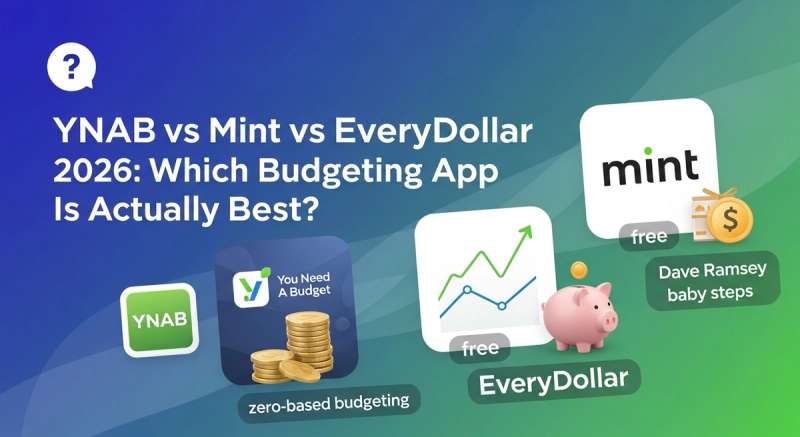
Before we dissect the details, let's establish what makes these apps stand out. YNAB (You Need A Budget) operates on a proactive "give every job a dollar" philosophy, Mint focuses on effortless expense tracking and bill monitoring, and EveryDollar champions Dave Ramsey's zero-based budgeting approach. All three have evolved significantly since their launches, adding features like investment tracking, personalized coaching, and AI-powered insights in 2026. But which one will genuinely transform your financial habits?
YNAB: The Proactive Powerhouse
YNAB's core philosophy revolves around intentionality. Unlike passive tracking tools, YNAB requires you to assign every single dollar a purpose before you spend it. This "proactive" approach forces users to confront their spending habits head-on, making it ideal for those serious about breaking the paycheck-to-paycheck cycle. Key features include real-time bank syncing, customizable category goals, and robust debt repayment tools. YNAB's premium subscription (around $99/year) includes live workshops, personalized coaching sessions, and integrations with investment portfolios. The steep learning curve is worth it for detail-oriented users, as many report saving an average of $600 in their first two months by following the YNAB method.
Mint: The Automated All-Rounder
Mint remains the go-to free budgeting app for its hands-off approach. Using bank-level security, Mint automatically categorizes transactions, tracks bills, and monitors your credit score—all without manual input. Its 2026 version now includes AI-driven spending alerts, investment performance dashboards, and personalized savings recommendations. For freelancers or side hustlers, Mint's income tracking can be particularly useful, especially when combined with goal-setting strategies. The app's "Mint Insights" feature even analyzes your patterns to suggest cost-cutting opportunities. While its free model is attractive, be prepared for targeted ads and sponsored product offers. It's perfect for beginners or those who want a financial overview without the granular control of YNAB.
EveryDollar: The Debt-Free Devotee
EveryDollar, backed by financial guru Dave Ramsey, zeroes in on zero-based budgeting—a method where income minus expenses equals zero. Its clean, step-by-step interface makes budget creation feel manageable, especially Ramsey fans who appreciate its no-nonsense debt-focused tools. The 2026 version now integrates Ramsey's Financial Peace University content, offering on-demand courses for premium users ($79.99/year). Unique features include the "Baby Steps" debt payoff plan and envelope-style virtual wallets. While lighter on automation than Mint, its emphasis on behavioral change resonates with users drowning in debt or rebuilding finances. For those exploring eco-friendly ventures, EveryDollar's category flexibility allows aligning budgets with sustainability goals.
Head-to-Head: Where They Diverge in 2026
Ease of Use
Mint wins for effortless setup—connect accounts and go. YNAB demands upfront commitment during onboarding, requiring users to input starting balances and assign jobs to dollars. EveryDollar sits in the middle with its guided but customizable interface. If you're overwhelmed by financial decisions, start with Mint. If you crave structure, EveryDollar excels. For those ready for deep engagement, YNAB's tutorials make the initial learning curve manageable.
Debt Management Tools
EveryDollar dominates here, with built-in debt snowball trackers and Ramsey's proven methodology. YNAB offers customizable debt repayment goals but lacks built-in coaching. Mint provides basic debt tracking but focuses more on overview than strategy. For tackling student loans or credit card balances, EveryDollar's guided approach is unmatched—especially when paired with negotiation strategies to boost income.
Investment and Net Worth Tracking
All three now handle investments well, but YNAB leads in integration depth, allowing users to link retirement accounts and track net worth alongside budgets. Mint offers a clean dashboard for portfolio performance, while EveryDollar’s premium version includes basic investment tracking. For serious wealth building, YNAB’s holistic view shines, especially when combined with net worth tools.
Mobile Experience
Mint’s app is sleek and highly automated, perfect for quick expense logging. EveryDollar’s mobile interface mirrors its simplicity, with the "add expense" button always visible. YNAB’s mobile app requires more taps but offers the most customization. If you’re constantly on the go, Mint’s speed is appealing; if you’re methodical, YNAB’s depth rewards patience.
Pricing Structure
- YNAB: $99/year (or $14.99/month). Includes coaching and workshops.
- Mint: Free with ads. Premium version ($5.99/month) removes ads and adds insights.
- EveryDollar: Free for basic budgeting. Premium ($79.99/year) adds debt planning and Ramsey courses.
Budget-conscious users might lean toward Mint, but remember: free apps monetize your data. For serious financial transformation, YNAB or EveryDollar’s investments pay dividends.
Who Wins in 2026?
Choose YNAB if: You’re detail-oriented, willing to learn, and prioritize behavior change over convenience. It’s ideal for freelancers or entrepreneurs needing granular cash flow management.
Choose Mint if: You want automated tracking, a bird’s-eye view of finances, or are new to budgeting. Great for students or those juggling side hustles.
Choose EveryDollar if: You’re following Dave Ramsey’s steps, focused on debt elimination, or prefer simplicity over features. Perfect for families or debt-recovery warriors.
The Verdict: Beyond Features to Fit
In 2026, no single app dominates—it’s about alignment. YNAB offers transformative discipline but demands effort. Mint provides unmatched convenience at the cost of depth. EveryDollar delivers focused debt guidance with Ramsey’s authority. Before choosing, ask: "What’s my biggest financial pain point?" If it’s overspending, YNAB’s rules will help. If it’s disorganization, Mint’s automation saves time. If debt’s crushing you, EveryDollar’s plan offers hope. Remember, the best app is one you’ll consistently use—whether that’s through beginner templates or advanced coaching.
Is YNAB worth the cost in 2026?
Absolutely if you commit to its methodology. Many users recoup the cost within months through reduced spending. The coaching alone justifies the price for behavioral change seekers.
Can Mint really track all my accounts securely?
Yes. Mint uses bank-level 256-bit encryption and multi-factor authentication. While no system is 100% risk-free, its security measures are robust—though avoid linking sensitive accounts like crypto wallets.
Does EveryDollar work for irregular income?
Yes. Its "Income" tab lets you allocate past or projected funds, crucial for variable income earners. Just budget conservatively during high-earning months.
Which app integrates best with investment platforms?
YNAB leads, syncing with major brokerages like Fidelity and Schwab. Mint also offers solid tracking, while EveryDollar’s integration is more basic. For ESG investing, YNAB’s category flexibility allows aligning portfolios with values.
Can I switch apps without losing data?
Exporting CSV files is possible in all three, but migration requires manual effort. Mint offers the cleanest export, while YNAB’s data structure is more complex. Plan for a transition month with overlapping usage.
Related Tags

About the Author
Tyler Cole
Tyler Cole writes about business, personal finance, investing, entrepreneurship, and market trends. His work focuses on helping readers understand economic developments, build financial confidence, and make smarter money decisions.
Enjoyed this article?
Check out more content on our blog or follow us on social media.
Browse more articles