Floating Solar Farms: A New Wave of Renewable Energy

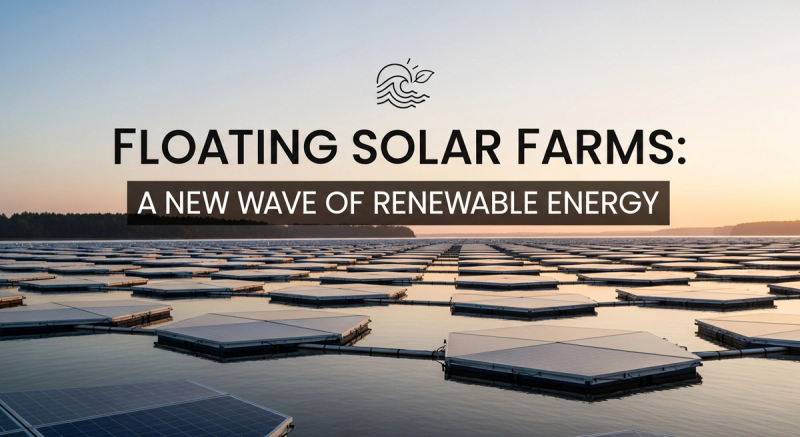
As the world scrambles to combat climate change, renewable energy solutions are evolving beyond traditional rooftop panels and sprawling desert installations. Enter floating solar farms – an innovative approach that’s turning bodies of water into clean power hubs. These "floatovoltaics" installations are rapidly gaining traction globally, offering a triple win for energy production, land conservation, and environmental protection. By leveraging underutilized water surfaces—from reservoirs and quarry lakes to irrigation ponds—floating solar farms represent a groundbreaking frontier in sustainable energy generation, merging efficiency with ecological sensitivity in ways previously unimagined.
What Exactly Are Floating Solar Farms?
Floating solar farms consist of photovoltaic (PV) panels mounted on buoyant platforms that float on water surfaces. Unlike ground-mounted or rooftop systems, these installations harness water bodies as their foundation. The technology typically involves anchoring waterproof solar panels to floating decks made from high-density polyethylene or recycled materials. These arrays are connected via underwater cables to convert sunlight into electricity fed to the grid. What’s remarkable is their adaptability—they can scale from small community installations to massive utility-scale projects covering several square kilometers. This flexibility makes them particularly valuable for regions with limited land availability but abundant water resources.
The Advantages: Why Floating Solar is Making Waves
Floating solar farms pack a surprising punch of benefits that extend beyond simple electricity generation. Let’s break down their key advantages:
- Land Conservation: With solar panels covering water instead of land, these farms preserve valuable real estate for agriculture, development, or conservation. This is especially crucial in densely populated areas or regions with competing land-use demands.
- Enhanced Efficiency: Water naturally cools the panels, preventing the efficiency drop that typically occurs with ground-based installations exposed to heat. Studies show floating solar can produce up to 10% more electricity due to this cooling effect.
- Water Quality Benefits: By shading the water, these farms reduce evaporation and minimize algae growth. They also limit chemical runoff into water bodies, improving overall ecosystem health.
- Reduced Installation Costs: In many cases, floating platforms are quicker and cheaper to deploy than land-based systems, as they avoid costly site preparation like land grading and foundation work.
Global Success Stories
From China’s 320-megawatt Dezhou facility to India’s 100-megawower Kayamkulam project, floating solar is already proving its scalability. Japan leads the world in adoption, with over 80% of global floating solar capacity, thanks to its limited land and abundant reservoirs. Even countries like the UK and Brazil are embracing this technology, with the Queen Elizabeth II reservoir in London becoming a flagship example. These projects demonstrate how floating solar can integrate seamlessly with existing infrastructure while delivering substantial power.
Challenges and Considerations
Despite their promise, floating solar isn’t without hurdles. Installation costs remain higher than traditional solar due to specialized floating platforms and anchoring systems. Marine environments also pose durability challenges—panels must withstand corrosion, wave action, and freezing temperatures. Environmental assessments are crucial to ensure minimal disruption to aquatic ecosystems, including fish migration and light penetration. However, technological advancements are rapidly addressing these concerns. Improved materials and 2026 innovations in panel design are making floating systems more resilient and cost-effective.
The Future: Integrating Floating Solar into the Renewable Ecosystem
Floating solar isn’t operating in isolation—it’s becoming a key component of broader renewable strategies. When paired with energy storage solutions, these farms provide consistent power by storing excess energy for cloudy days. Businesses are also recognizing their potential: corporate procurement trends show increasing interest in floating solar for ESG goals and long-term energy savings. In fact, 2026 procurement trends highlight floating solar as a top choice for companies seeking to decarbonize operations without land constraints.
AI and the Next Generation of Floating Solar
Artificial intelligence is revolutionizing floating solar efficiency. AI systems optimize panel positioning to maximize sunlight exposure and monitor structural integrity in real-time. Predictive analytics prevent equipment failures, while machine learning algorithms balance energy output with grid demands. This synergy between AI and renewable energy is unlocking unprecedented performance from floating installations, making them smarter and more responsive than ever before.
Beyond Solar: The Hydrogen Connection
Floating solar farms are also pioneering pathways to green hydrogen production. By powering electrolysis systems that split water into hydrogen and oxygen, these installations can create carbon-free fuel. This positions floating solar as a cornerstone of the green hydrogen revolution, offering businesses a dual opportunity: clean electricity and hydrogen production from the same water body. It’s a game-changer for industries seeking to decarbonize hard-to-abate sectors like shipping and manufacturing.
Conclusion: Riding the Wave of Sustainable Energy
Floating solar farms are more than a novelty—they’re a practical, scalable solution to our energy and climate challenges. By transforming water surfaces into power-generating ecosystems, they offer a sustainable path forward that conserves land, boosts efficiency, and protects our environment. As technology advances and adoption grows, these installations will play an increasingly vital role in the global energy mix. Businesses, governments, and communities alike are embracing this new wave of renewable energy, proving that when it comes to sustainability, thinking outside the box—quite literally—can lead to brighter, cleaner shores.
How do floating solar farms compare to traditional solar installations?
Floating solar farms typically produce 10-15% more electricity than ground-mounted systems due to natural water cooling. They also conserve land and reduce evaporation, making them more efficient in water-scarce regions. However, they may have higher initial installation costs and require specialized maintenance.
Can floating solar farms be installed in any body of water?
Not all water bodies are suitable. Ideal locations include calm, non-navigable waters like reservoirs, quarry lakes, or irrigation ponds. Oceans and rivers with strong currents or high wave activity pose challenges. Environmental impact assessments must confirm minimal disruption to ecosystems.
What is the lifespan of a floating solar installation?
With proper maintenance, floating solar farms can last 25-30 years—the same as traditional solar panels. However, floating components may require more frequent checks for corrosion or wear, especially in salty or polluted water.
How do businesses benefit from investing in floating solar?
Companies gain long-term energy cost savings, reduce carbon footprints, and enhance corporate sustainability credentials. Floating solar also offers PR opportunities and aligns with 2026 procurement trends favoring innovative renewable solutions.
Are floating solar farms compatible with other renewable technologies?
Absolutely. They integrate seamlessly with energy storage batteries to ensure consistent power. When combined with electrolysis, they can produce green hydrogen, making them part of a holistic renewable energy ecosystem that addresses diverse energy needs.
Related Tags

About the Author
Freya O'Neill
freya-o-neill is a technology journalist specializing in artificial intelligence, software innovation, cybersecurity, and emerging digital trends. She enjoys explaining complex technologies in clear, accessible language for both professionals and everyday readers.
Enjoyed this article?
Check out more content on our blog or follow us on social media.
Browse more articles