Business Opportunities in Green Hydrogen: Fueling a Sustainable Future

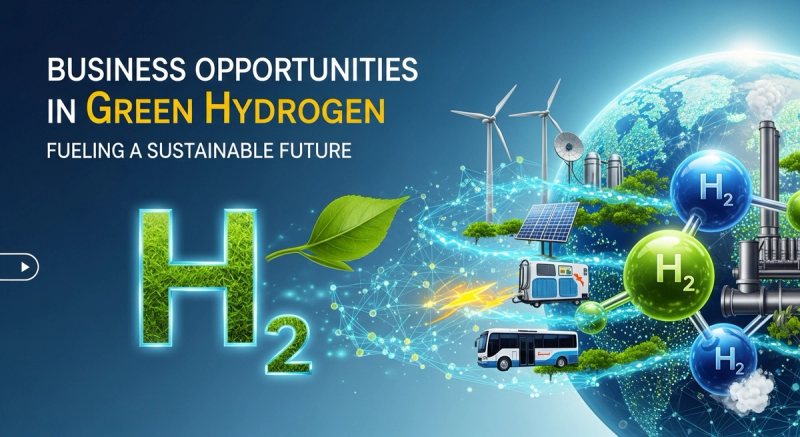
In the race against climate change, green hydrogen emerges as a revolutionary energy carrier poised to transform industries and unlock unprecedented business opportunities. Unlike traditional hydrogen derived from fossil fuels, green hydrogen is produced using renewable energy sources like solar and wind, making it a cornerstone of the global energy transition. As governments worldwide intensify climate commitments and corporations prioritize sustainability, the demand for green hydrogen solutions is skyrocketing. For forward-thinking businesses, this isn't just an environmental imperative—it's a gateway to innovation, profitability, and market leadership in the burgeoning clean economy.
Understanding Green Hydrogen
Green hydrogen is produced through electrolysis, a process that splits water (H₂O) into hydrogen (H₂) and oxygen (O₂) using electricity generated from renewable sources. This method ensures zero carbon emissions during production, positioning green hydrogen as a clean alternative to "grey" hydrogen (from natural gas) or "blue" hydrogen (with carbon capture). The versatility of green hydrogen is remarkable: it can fuel heavy transportation (trucks, ships), decarbonize industrial processes (steel manufacturing, chemical production), and store renewable energy for grid stability. As businesses seek ways to achieve net-zero targets, the next frontier for businesses lies in harnessing this clean energy carrier.
Why Green Hydrogen Matters Now
The shift toward green hydrogen is accelerating due to three key drivers:
- Policy Momentum: Governments are incentivizing adoption through subsidies, tax credits, and strict emissions regulations. The EU's Hydrogen Strategy and the U.S. Inflation Reduction Act, for instance, offer billions in funding for green hydrogen projects.
- Corporate Demand: Companies like Amazon and Siemens are signing long-term contracts to secure green hydrogen for operations, aligning with corporate renewable energy procurement trends that prioritize decarbonization.
- Technological Advancements: Falling renewable energy costs and breakthroughs in electrolysis efficiency are making green hydrogen production more viable than ever.
Key Business Opportunities
The green hydrogen value chain offers diverse opportunities for entrepreneurs and established enterprises alike. From production to end-use applications, here are the most promising sectors:
1. Production and Infrastructure Development
Building green hydrogen production facilities is the foundational opportunity. Businesses can invest in electrolyzer manufacturing, renewable energy integration projects, or develop dedicated hydrogen hubs. Regions with abundant solar and wind resources—like Australia, Chile, and the American Midwest—are ideal for large-scale production. Startups like ITM Power and Nel Hydrogen are already capitalizing on this demand, while utilities such as Ørsted are expanding into hydrogen production to complement their wind and solar portfolios.
2. Transportation and Logistics
Green hydrogen is critical for decarbonizing heavy transport. Companies can develop hydrogen refueling stations, retrofit trucks for hydrogen fuel cells, or create supply chains for hydrogen-powered shipping. For example, renewable energy innovations in transport include hydrogen-powered cargo vessels and long-haul trucks, which reduce emissions while maintaining performance.
3. Industrial Applications
Industries reliant on fossil fuels—steel, cement, and chemicals—can pivot to green hydrogen. Businesses can offer hydrogen-based solutions for high-heat processes or develop carbon-neutral feedstocks. The steel industry, responsible for 7-9% of global CO₂ emissions, is partnering with firms like H2 Green Steel to replace coal with hydrogen in production.
4. Energy Storage and Grid Services
Green hydrogen acts as a long-term energy storage solution, addressing intermittency issues in renewable energy. Companies can provide energy storage solutions for grid operators, including hydrogen blending in natural gas pipelines or developing power-to-gas systems. This aligns with solar innovations that pair hydrogen storage with solar farms for 24/7 clean power.
5. Technology and Innovation
Research and development in electrolysis efficiency, catalyst materials, and safety systems drive competitive advantage. Focused R&D can yield patents, licensing deals, or partnerships with energy giants. Additionally, AI in renewable energy is optimizing hydrogen production by predicting renewable energy output and optimizing electrolyzer operations.
Challenges and Strategic Considerations
While opportunities abound, businesses must navigate significant hurdles:
- High Costs: Green hydrogen remains expensive compared to fossil fuels. Solutions include scaling production, leveraging subsidies, and investing in technology to lower electrolyzer costs.
- Infrastructure Gaps: Transporting hydrogen requires new pipelines or liquefaction facilities. Companies can pioneer innovative storage methods like ammonia carriers or underground salt caverns.
- Regulatory Uncertainty: Policies are evolving rapidly. Businesses must engage with policymakers to advocate for supportive frameworks and stay agile amid regulatory shifts.
- Market Education: Many industries lack familiarity with hydrogen applications. Consulting services that demonstrate ROI can accelerate adoption.
Future Outlook
The green hydrogen market is projected to exceed $1 trillion by 2030, with annual production capacity exceeding 50 million tons. Early movers stand to gain first-mover advantages, partnerships with governments, and brand equity as sustainability leaders. As renewable energy costs continue to fall and electrolyzer technology matures, the business case for green hydrogen will only strengthen. Companies that integrate green hydrogen into their core strategies today will be positioned to lead the clean energy economy tomorrow.
Conclusion: Green hydrogen represents more than just a clean fuel—it’s a catalyst for systemic change. For businesses, it’s an opportunity to innovate, reduce emissions, and capture value in a rapidly evolving market. From production to end-use, the green hydrogen ecosystem is ripe for disruption, and those who act decisively will shape the future of sustainable commerce.
What makes green hydrogen different from other types of hydrogen?
Green hydrogen is produced using renewable energy sources, resulting in zero carbon emissions during production. In contrast, "grey" hydrogen comes from fossil fuels, while "blue" hydrogen uses carbon capture but still relies on non-renewable inputs. Green hydrogen is the only truly sustainable option.
How can small businesses benefit from green hydrogen opportunities?
Small businesses can enter the market as suppliers of electrolyzer components, niche consulting services, or hydrogen safety equipment. Partnerships with larger green hydrogen projects also offer growth avenues without massive capital investment.
What regions lead in green hydrogen adoption?
Europe, Australia, and parts of North America are leading due to strong policy support and renewable resources. The EU's Hydrogen Bank and Chile's green hydrogen strategy are prime examples, creating fertile ground for business ventures.
Is green hydrogen currently cost-competitive with fossil fuels?
Not yet, but costs are plummeting. With scaling production, technological advancements, and policy incentives, green hydrogen is expected to reach cost parity within a decade. Businesses that invest now will benefit from early-mover advantages.
How does green hydrogen support corporate sustainability goals?
Green hydrogen enables companies to decarbonize hard-to-abate sectors like heavy industry and transport, helping them achieve net-zero targets. It also enhances brand reputation as an environmental leader and fulfills investor and customer demand for sustainable practices.
Related Tags

About the Author
Freya O'Neill
freya-o-neill is a technology journalist specializing in artificial intelligence, software innovation, cybersecurity, and emerging digital trends. She enjoys explaining complex technologies in clear, accessible language for both professionals and everyday readers.
Enjoyed this article?
Check out more content on our blog or follow us on social media.
Browse more articles