Building Integrated Photovoltaics: The Future of Architecture

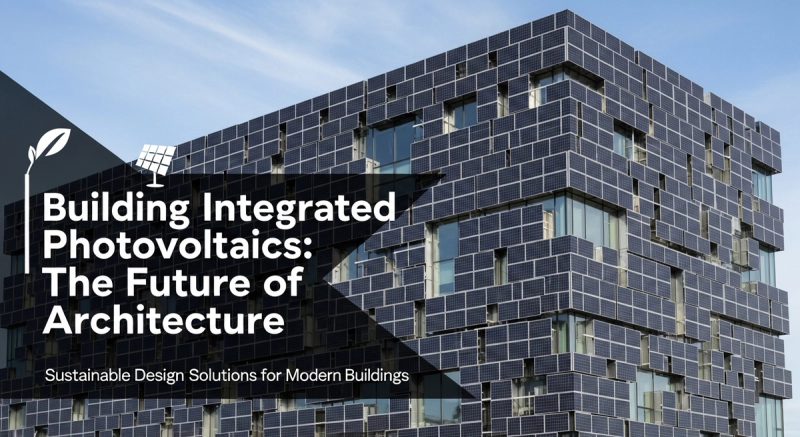
Imagine skyscrapers that generate their own electricity, office buildings with facades that harvest sunlight, and homes where solar power is seamlessly woven into every design element. This isn’t science fiction—it’s the emerging reality of Building Integrated Photovoltaics (BIPV), a revolutionary approach that’s transforming how we think about sustainable architecture. As climate concerns escalate and energy demands grow, BIPV stands at the forefront of merging functionality with aesthetics, turning buildings into active energy producers rather than passive consumers. This technology promises to redefine urban landscapes, reduce carbon footprints, and create a future where sustainability and design go hand in hand.
What Exactly is Building Integrated Photovoltaics?
Building Integrated Photovoltaics, or BIPV, refers to solar energy systems that are incorporated directly into building materials like roofs, walls, windows, and facades. Unlike traditional solar panels bolted onto existing structures, BIPV components serve dual purposes: they act as construction materials while generating electricity. Think of solar roof tiles that look identical to conventional shingles, photovoltaic glass facades that replace standard curtain walls, or even solar-powered skylights. This integration eliminates the need for separate mounting systems, reduces material waste, and allows architects greater creative freedom in sustainable design. The result is buildings that are both visually striking and energy-independent.
Key Types of BIPV Systems
BIPV technology encompasses several innovative forms:
- Photovoltaic Facades: Exterior walls with integrated solar cells, replacing traditional cladding while generating power.
- Solar Roof Tiles: Interlocking PV panels that mimic the appearance of conventional roofing materials.
- Photovoltaic Windows: Glazing with semi-transparent solar cells that allow daylight while converting sunlight to energy.
- Solar Skylights and Canopies: Overhead structures that provide shade and generate electricity simultaneously.
The Evolution of BIPV Technology
BIPV has come a long way since its early experimental stages. In the 1970s, rudimentary solar-integrated designs emerged, but efficiency and aesthetics were major limitations. Fast forward to today, innovations in thin-film solar cells, building-integrated glass, and flexible PV modules have made BIPV commercially viable. Breakthroughs in solar innovations are driving down costs while boosting performance, making BIPV accessible for everything from residential homes to high-rises. The technology is also becoming smarter, with integrated AI systems optimizing energy output based on real-time weather data—a trend explored in AI's role in renewable energy. These advancements signal that BIPV is no longer a niche concept but a cornerstone of modern green architecture.
Why BIPV is Revolutionizing Architecture
Energy Independence and Efficiency
Buildings account for nearly 40% of global energy consumption, making them prime targets for decarbonization. BIPV slashes this demand by generating clean power onsite. Solar facades and roofs can offset a building’s entire electricity load, reducing reliance on fossil fuels and grid instability. When paired with energy storage solutions, BIPV enables buildings to operate entirely off-grid during peak demand or outages. This self-sufficiency is particularly valuable for businesses aiming to meet corporate sustainability goals and reduce operational costs.
Aesthetic Versatility and Design Freedom
One of BIPV’s most compelling advantages is its aesthetic flexibility. Architects can now embed solar technology seamlessly into designs without compromising visual appeal. Colored PV panels, patterned glass facades, and 3D solar tiles allow for creative expression while maintaining sustainability. This shift challenges the notion that sustainable design must sacrifice style. Instead, BIPV empowers architects to innovate, turning energy generation into a design feature rather than an afterthought. As renewable energy innovations advance, BIPV will unlock even greater design possibilities, from curved solar roofs to interactive facades that respond to environmental conditions.
Environmental Impact and Sustainability
BIPV reduces the carbon footprint of buildings at every stage of their lifecycle. By generating renewable energy, it cuts greenhouse gas emissions associated with electricity production. Additionally, it minimizes waste by replacing conventional building materials—eliminating the need for separate solar installations. Life cycle assessments confirm that BIPV systems often achieve a "carbon payback" time of just 1-4 years, after which they operate with zero emissions. This aligns with global sustainability targets and positions BIPV as a critical tool in combating climate change.
Challenges and Considerations
Despite its promise, BIPV adoption faces hurdles. Initial costs remain higher than traditional solar installations, though long-term energy savings offset this. Technical challenges include optimizing energy output in shaded or vertically oriented surfaces and ensuring durability against weather extremes. Regulatory barriers also exist, as building codes often lag behind technological advancements. However, these obstacles are being addressed through supportive policies, financial incentives, and corporate procurement trends that prioritize renewable investments. As awareness grows, more cities are updating zoning laws to encourage BIPV integration.
Real-World Applications Leading the Way
Across the globe, pioneering projects showcase BIPV’s potential. The Co-op City complex in New York features photovoltaic glass panels, reducing energy costs by 20%. In Amsterdam, the Edge Tower uses BIPV facades and smart glass to generate power while optimizing daylight. Even residential homes are embracing the trend—solar roof tiles from companies like Tesla now blend seamlessly with traditional architecture. These examples demonstrate that BIPV is scalable and adaptable, proving its viability in diverse climates and building types.
Looking Ahead: The Future of BIPV in Architecture
By 2030, BIPV could account for 20% of the global photovoltaic market, driven by falling costs and rising demand for net-zero-energy buildings. Emerging technologies like perovskite solar cells promise higher efficiency and transparency, while green hydrogen integration may enable buildings to produce, store, and convert solar energy into hydrogen fuel. As urbanization accelerates, BIPV will become indispensable in creating smart, resilient cities. Architects and developers who adopt this early will lead the charge in building a sustainable future.
In conclusion, Building Integrated Photovoltaics represents more than a technological advancement—it’s a paradigm shift in architecture. By merging energy generation with structural design, BIPV offers a path to buildings that are self-sufficient, visually stunning, and environmentally responsible. As innovation accelerates and adoption expands, BIPV will redefine skylines worldwide, proving that sustainability and aesthetics can coexist harmoniously. The future of architecture is here, and it’s powered by the sun.
What is the lifespan of BIPV systems?
Modern BIPV systems typically last 25-30 years, comparable to traditional building materials. Advances in durability ensure they withstand harsh weather conditions while maintaining efficiency.
How much energy can BIPV generate per year?
Energy output varies based on location, building orientation, and technology. A typical BIPV facade can produce 100-300 kWh per square meter annually, enough to cover a significant portion of a building’s energy needs.
Is BIPV suitable for existing buildings?
While BIPV is often integrated during new construction, retrofit solutions like solar window films or modular panels can upgrade existing structures. However, efficiency may be lower than in purpose-built designs.
What costs are associated with BIPV installation?
Initial costs range from $20 to $50 per square foot, but long-term savings on electricity bills often offset this. Incentives like tax credits further reduce upfront expenses.
Can BIPV be used in all climates?
Yes. BIPV performs efficiently in various climates, though designs must account for snow loads in cold regions and heat dissipation in hot areas. Technology like bifacial solar cells maximizes output in low-light conditions.
Related Tags

About the Author
Freya O'Neill
freya-o-neill is a technology journalist specializing in artificial intelligence, software innovation, cybersecurity, and emerging digital trends. She enjoys explaining complex technologies in clear, accessible language for both professionals and everyday readers.
Enjoyed this article?
Check out more content on our blog or follow us on social media.
Browse more articles