AI in Solar Energy: Smarter Grids and Predictive Maintenance

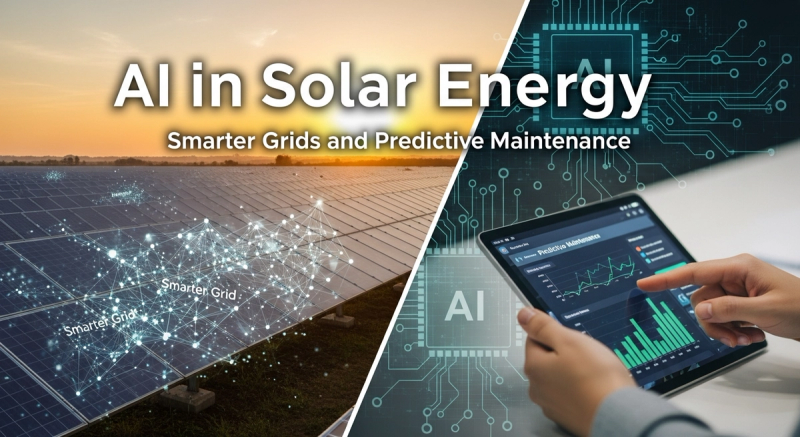
The global shift toward renewable energy is accelerating at an unprecedented pace, with solar power leading the charge. As solar installations become increasingly ubiquitous, the challenges of grid integration, efficiency optimization, and maintenance reliability have grown more complex. Enter artificial intelligence – the transformative technology revolutionizing how we harness, distribute, and maintain solar energy. By leveraging AI in solar energy, we're witnessing the emergence of smarter grids that balance supply and demand in real-time and predictive maintenance systems that prevent failures before they happen. This convergence isn't just enhancing performance; it's redefining the economic and operational viability of solar power at scale.
How AI is Reshaping Solar Energy Infrastructure
Traditional solar energy systems have long grappled with intermittency issues – clouds passing overhead, seasonal variations, and daily cycles create unpredictable output. This variability poses significant challenges for grid stability and energy reliability. AI algorithms are now stepping in as the intelligent backbone of modern solar infrastructure, processing vast datasets from weather forecasts, satellite imagery, and IoT sensors to anticipate fluctuations. These systems can adjust grid operations milliseconds before weather changes impact generation, ensuring seamless power delivery while reducing waste.
Smarter Grids: The Neural Network of Solar Networks
AI-powered smart grids represent the next evolution of energy distribution. Unlike conventional grids that function in reactive mode, AI-enabled grids operate proactively by:
- Real-time load balancing across multiple solar installations
- Predicting peak demand periods to optimize energy storage discharge
- Automatically rerouting power during outages to minimize disruption
- Dynamically adjusting electricity pricing based on generation forecasts
These capabilities are particularly valuable for businesses transitioning to solar. Companies adopting corporate renewable energy procurement strategies now leverage AI to maximize their investment returns while ensuring grid stability. The technology allows organizations to participate in demand-response programs, turning solar installations into revenue-generating assets beyond simple self-consumption.
Seamless Integration with Energy Storage
The intermittent nature of solar makes energy storage crucial, but managing battery systems efficiently requires sophisticated optimization. AI algorithms continuously analyze generation patterns, electricity prices, and weather forecasts to determine the most cost-effective charging and discharging cycles. This intelligence turns storage systems into grid stabilizers that absorb excess solar production during peak sun hours and release it during evening demand spikes. Businesses implementing energy storage solutions benefit from extended equipment lifespan and reduced operational costs as AI eliminates inefficient cycling practices.
Predictive Maintenance: The AI-Powered Guardian of Solar Assets
Solar farms and commercial installations represent significant capital investments, with maintenance traditionally constituting a major operational expense. Conventional maintenance approaches – either scheduled intervals or reactive repairs – often lead to unnecessary downtime or catastrophic failures. AI-driven predictive maintenance is fundamentally changing this paradigm by analyzing thousands of data points from inverters, panels, and tracking systems to identify anomalies before they escalate.
Early Detection of System Degradation
Machine learning models trained on historical performance data can detect subtle patterns indicating potential failures. For instance:
- Temperature variations in specific panels suggesting microfractures
- Inefficiency trends indicating inverter component wear
- Performance deviations pointing soiling or shading issues
These insights enable maintenance teams to address issues during planned downtime rather than emergency repairs. The financial impact is substantial – reducing maintenance costs by 20-30% while extending equipment lifespan through timely interventions. This approach is particularly valuable for large-scale installations where unexpected downtime can translate to thousands in lost revenue per hour.
The Human-AI Collaboration Advantage
While AI handles data-intensive monitoring, human technicians remain essential for complex repairs. The most effective implementations combine AI's analytical prowess with human expertise. Field technicians receive AI-generated prioritized work orders with precise fault descriptions and recommended solutions, cutting diagnostic time by up to 50%. This collaborative model maximizes resource efficiency while ensuring maintenance quality. As the technology evolves, we're seeing broader AI applications in renewable energy that similarly enhance human capabilities across various operational aspects.
Real-World Impact and Success Stories
The benefits of AI integration aren't theoretical – they're demonstrable across global solar operations. In California's vast solar farms, AI systems have reduced maintenance costs by 25% while increasing energy yield by 15% through optimized panel cleaning schedules. Commercial installations in Australia now use AI to predict soiling buildup based on local particulate matter data, cutting cleaning frequency by 40% without compromising efficiency. These implementations illustrate how AI technologies create immediate value while building infrastructure for future energy demands.
Businesses exploring renewable energy innovations are discovering that AI integration offers competitive advantages beyond cost savings. Predictive maintenance systems reduce insurance premiums through lower risk profiles, while smarter grid participation creates additional revenue streams. As organizations adopt solar innovations reshaping 2026, AI-driven optimization will become standard rather than exceptional.
The Future Trajectory of AI in Solar
We're witnessing just the beginning of AI's transformation in solar energy. Emerging developments include blockchain-integrated microgrids where AI manages peer-to-peer energy trading, quantum-enhanced forecasting models extending prediction accuracy to weeks, and computer vision systems that detect equipment flaws through drone imagery. These advancements will make solar power even more reliable and cost-effective, accelerating global adoption.
The integration with other renewable technologies is particularly exciting. AI systems are being developed to orchestrate hybrid installations combining solar, wind, and emerging solutions like green hydrogen production. These multi-source systems will leverage AI's optimization capabilities to deliver consistent baseload power from inherently intermittent sources – a critical step toward 100% renewable grids.
Conclusion
AI in solar energy is no longer futuristic speculation – it's operational reality reshaping how we generate, distribute, and maintain power. Through smarter grids that balance supply and demand with unprecedented efficiency and predictive maintenance that extends equipment lifespans while reducing costs, AI is addressing the fundamental challenges that have historically limited solar's potential. As these technologies mature and integrate with broader energy ecosystems, we're moving toward a future where renewable energy isn't just sustainable but demonstrably superior to traditional sources in reliability and economic viability. The solar revolution, powered by artificial intelligence, is fundamentally transforming our energy landscape for generations to come.
What makes AI-powered grids smarter than traditional grids?
AI grids process real-time data from multiple sources to anticipate changes and adjust operations proactively, unlike traditional grids that react to problems after they occur. This predictive capability minimizes waste, prevents outages, and optimizes energy distribution across diverse sources.
How much can predictive maintenance reduce solar operating costs?
Implementing AI-driven predictive maintenance typically reduces maintenance expenses by 20-30% while extending equipment lifespan through timely interventions. Additional savings come from increased energy production due to minimized downtime and optimized performance.
Do solar farms need internet connectivity for AI systems?
While real-time AI optimization benefits from connectivity, many systems can operate effectively with edge computing capabilities. However, for maximum efficiency and predictive accuracy, some level of connectivity to access weather data and grid information is recommended.
Can small businesses benefit from AI solar solutions?
Absolutely. Cloud-based AI platforms now offer scalable solutions that deliver benefits proportional to installation size. Even smaller commercial installations gain from reduced maintenance costs and optimized energy use, with ROI typically achieved within 2-3 years.
How does AI handle extreme weather events affecting solar panels?
AI systems analyze weather patterns and satellite data to anticipate severe events. They can automatically adjust panel positions if equipped with tracking systems, recommend protective measures, and quickly assess damage post-event by comparing pre- and post-storm performance data.
Related Tags

About the Author
Freya O'Neill
freya-o-neill is a technology journalist specializing in artificial intelligence, software innovation, cybersecurity, and emerging digital trends. She enjoys explaining complex technologies in clear, accessible language for both professionals and everyday readers.
Enjoyed this article?
Check out more content on our blog or follow us on social media.
Browse more articles