Understanding Sleep Apnea and Its Treatments: A Comprehensive Guide

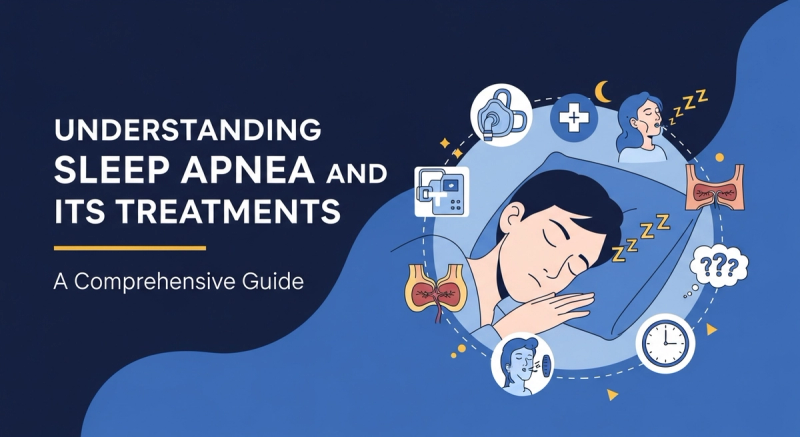
Sleep apnea is more than just snoring—it's a serious sleep disorder that disrupts breathing during sleep, leading to fragmented rest and potential health risks. If you've ever woken up gasping for air, battled daytime fatigue despite a full night in bed, or noticed your partner mention loud snoring followed by silences, you might be experiencing symptoms of this condition. Understanding sleep apnea and its treatments is crucial because left unchecked, it can increase risks for heart disease, stroke, and diabetes. The good news is that effective solutions exist, ranging from lifestyle adjustments to advanced medical devices. This guide breaks down everything you need to know about recognizing sleep apnea, exploring its causes, and discovering the treatments that can help you reclaim restful nights.
What Exactly Is Sleep Apnea?
Sleep apnea occurs when breathing repeatedly stops and starts during sleep. These interruptions, called apneas, can last from a few seconds to over a minute and happen multiple times per night. Imagine trying to sleep while someone periodically pinches your airway shut—that's essentially what happens. There are three main types:
- Obstructive Sleep Apnea (OSA): The most common form, caused by throat muscles relaxing excessively and blocking the airway. This often leads to loud snoring as air struggles to pass through.
- Central Sleep Apnea (CSA): Less common, this occurs when the brain fails to send proper signals to the muscles controlling breathing. Unlike OSA, snoring isn't typically present.
- Complex Sleep Apnea Syndrome: A combination of both obstructive and central sleep apnea.
Regardless of type, the result is the same: oxygen levels drop, the body rouses briefly (often without full consciousness), and sleep quality plummets. Many people don't realize these disruptions occur, making awareness key to seeking help.
Recognizing the Signs: Symptoms and Risk Factors
Sleep apnea symptoms often sneak up gradually, making them easy to dismiss. Common red flags include:
- Loud, chronic snoring punctuated by gasps or choking sounds
- Excessive daytime sleepiness (e.g., falling asleep while driving or watching TV)
- Morning headaches or dry throat
- Difficulty concentrating or irritability
- Waking up frequently to urinate
Certain factors increase your risk. If you're male, over 40, overweight, have a large neck circumference, or have a family history, you're more vulnerable. Smoking, alcohol use, and nasal congestion also contribute. Interestingly, conditions like chronic back pain can worsen sleep apnea by making side sleeping difficult—another reason to address sleep health holistically.
Why Early Detection Matters
Ignoring sleep apnea isn't just about fatigue; it's a health gamble. Untreated OSA, for example, strains the cardiovascular system by causing blood pressure spikes and oxygen deprivation. This triples your risk of heart attack and significantly raises stroke risk. It also disrupts metabolism, increasing diabetes likelihood. Recognizing symptoms early—perhaps through a sleep study or partner's observations—can prevent these domino effects.
Diagnosing Sleep Apnea: What to Expect
If you suspect sleep apnea, the first step is consulting a healthcare provider. They'll assess your symptoms, medical history, and risk factors. A definitive diagnosis typically requires a sleep study, which can be done in a lab or at home:
- In-lab polysomnography: You stay overnight at a sleep center where sensors monitor brain activity, eye movements, heart rate, blood oxygen levels, and breathing patterns.
- Home sleep apnea test (HSAT): A portable device tracks similar metrics from your own bed. While convenient, it's less comprehensive and may not detect all cases.
Results show how often breathing stops (apnea-hypopnea index, or AHI), oxygen dips, and sleep fragmentation occurs. An AHI over 5 generally indicates sleep apnea.
Treatment Options: Tailored Solutions for Better Sleep
Treatments vary based on apnea severity, type, and your overall health. Here’s a breakdown of effective approaches:
1. Lifestyle Modifications
For mild cases or as a complement to other treatments, lifestyle changes can make a big difference:
- Weight management: Losing even 10% of body weight can reduce OSA symptoms by reducing fat around the airway.
- Sleep position: Sleeping on your side (instead of your back) prevents the tongue and soft tissues from collapsing the airway. Special pillows or wearable devices can help.
- Alcohol and sedatives: Avoid these before bed, as they relax throat muscles more than usual.
Adopting healthy sleep habits also supports treatment. Consistent sleep schedules, a cool bedroom, and minimizing screen time (linked in reducing screen time for better rest) all improve sleep quality.
2. CPAP Therapy: The Gold Standard
For moderate to severe OSA, continuous positive airway pressure (CPAP) is the frontline treatment. A CPAP machine delivers pressurized air through a mask worn over the nose or mouth, acting as an "air splint" to keep the airway open. While some users find masks uncomfortable or claustrophobic, modern CPAPs feature:
- Heated humidifiers to reduce dryness
- Auto-adjusting pressure that adapts to breathing patterns
- Lightweight, ergonomic masks designed for comfort
Adjusting takes time—start with short sessions and work up to full nights. Many report dramatic improvements in energy and mood within weeks. If CPAP isn't suitable, bilevel PAP (BiPAP) or adaptive servo-ventilation (ASV) may be alternatives for CSA or complex cases.
3. Oral Appliances and Dental Devices
Mandibular advancement devices (MADs) are custom-fitted mouthpieces that push the lower jaw and tongue forward, opening the airway. They're ideal for mild OSA or patients who can't tolerate CPAP. Dentists specializing in sleep medicine create these, and they're often more travel-friendly than CPAP. However, they may cause jaw discomfort and are less effective for severe cases.
4. Surgical Interventions
Surgery is typically reserved for severe, unresponsive cases or specific anatomical issues. Options include:
- Uvulopalatopharyngoplasty (UPPP): Removes excess tissue from the throat to widen the airway.
- Hypoglossal nerve stimulation: An implantable device that stimulates nerves controlling tongue movement, keeping the airway open during sleep.
- Maxillomandibular advancement (MMA): Surgically repositions the upper and lower jaw to create more space.
Surgery carries risks and isn't always curative, so it's considered carefully.
5. Emerging and Complementary Approaches
Research explores new solutions like hypoglossal nerve stimulators and positional therapy devices that prevent back sleeping. Meanwhile, integrating mindfulness practices or stress-relief techniques can address underlying anxiety that worsens sleep quality. Regular exercise also strengthens respiratory muscles and aids weight management, but avoid intense workouts too close to bedtime.
Living Well With Sleep Apnea
Managing sleep apnea is an ongoing journey, not a quick fix. Consistency is key—whether it's nightly CPAP use, dental device maintenance, or lifestyle tweaks. Tracking progress through sleep diaries or apps helps identify patterns. Support groups, either online or in-person, offer camaraderie and practical tips. Remember, treating sleep apnea doesn't just improve nights—it transforms days, boosting productivity, mood, and long-term health.
Conclusion: Reclaiming Restful Sleep
Sleep apnea is a common but manageable condition. By understanding its causes, recognizing symptoms, and exploring treatments like CPAP, oral appliances, or lifestyle changes, you can break the cycle of poor sleep. The journey to better rest often starts with a single step: acknowledging the problem and seeking guidance. With the right approach, restorative sleep—and all its benefits—can become your reality again.
Can children have sleep apnea?
Yes, though it's often due to enlarged tonsils or adenoids rather than obesity. Symptoms include snoring, bedwetting, and behavioral issues. Treatment may involve surgery or CPAP in severe cases.
How does sleep apnea affect mental health?
Chronic sleep disruption from apnea is linked to depression, anxiety, and cognitive decline. Poor sleep impairs emotional regulation, creating a vicious cycle. Treating sleep apnea often improves mental health outcomes.
Is sleep apnea curable?
While not always "cured," symptoms can be effectively managed. Weight loss, CPAP therapy, or surgery may lead to long-term remission. Lifestyle changes can sometimes resolve mild cases entirely.
Can I travel with my CPAP machine?
Absolutely. CPAP machines are allowed on flights as medical equipment. Most models are portable, and adapters are available for international travel. Check with your airline for specific guidelines.
Do oral appliances work for everyone?
No. They're most effective for mild to moderate OSA and may not be suitable for those with dental issues or certain jaw structures. A sleep dentist can assess suitability.
Related Tags

About the Author
Martha Miller
Martha Miller is a health and wellness writer who covers nutrition, fitness, mental well-being, and healthy living. She translates medical research and expert advice into practical, easy-to-follow articles that help readers make informed lifestyle choices.
Enjoyed this article?
Check out more content on our blog or follow us on social media.
Browse more articles