Reducing Screen Time for Better Rest: Reclaiming Your Sleep in a Digital World

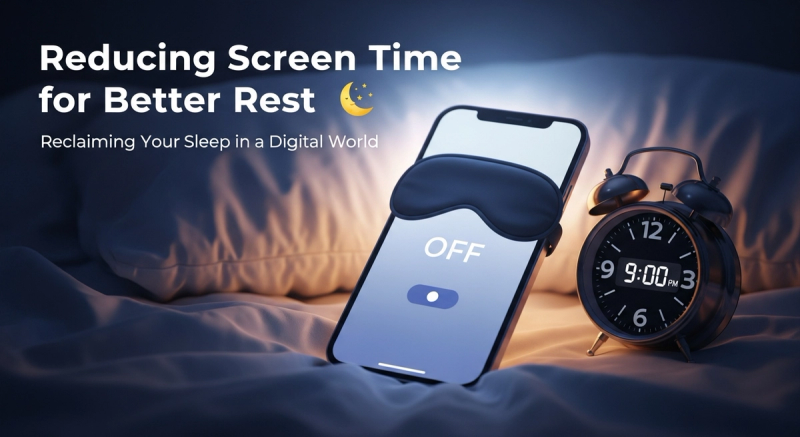
In today's hyper-connected society, screens have become our constant companions. From morning alarms to midnight scrolling, our devices are woven into the fabric of daily life. Yet while technology offers unparalleled convenience, it's quietly sabotaging our most fundamental biological function: sleep. The blue light emitted by phones, tablets, and computers disrupts our natural sleep-wake cycles, while the endless stream of notifications keeps our brains in perpetual alert mode. If you've ever lain awake staring at the ceiling after hours of mindless scrolling, you've experienced firsthand how digital overstimulation destroys restorative rest. The good news? By strategically reducing screen time for better rest, you can break this cycle and reclaim the deep, restorative sleep your body craves.
The Science Behind Screens and Sleep Disruption
Before diving into solutions, it's crucial to understand why screens and sleep don't mix. Our bodies operate on a circadian rhythm, a 24-hour internal clock regulated by light exposure. During daylight, sunlight signals our brains to stay awake and alert by suppressing melatonin—the hormone responsible for sleep onset. As darkness falls, melatonin production ramps up, preparing us for slumber. The problem? Screens emit high concentrations of blue light, which mimics sunlight and tricks our brains into thinking it's daytime. This artificial light exposure suppresses melatonin release by up to 50% for several hours after use, essentially hijacking our natural sleep signals.
But the damage goes beyond hormonal disruption. The content we consume before bed—stressful news, stimulating social media, or action-packed shows—keeps our amygdala (the brain's threat-detection center) on high alert. Even seemingly passive scrolling activates the prefrontal cortex, engaging our executive functions when they should be winding down. This dual assault of light stimulation and mental activity creates a perfect storm for insomnia, fragmented sleep, and next-day fatigue.
Hidden Consequences of Screen-Induced Sleep Loss
Chronic sleep deprivation from excessive screen time isn't just about feeling tired—it cascades into nearly every aspect of health:
- Cognitive decline: Impaired memory consolidation, reduced attention span, and slower reaction times
- Mood disorders: Increased risk of anxiety, depression, and irritability
- Physical deterioration: Weakened immune function, higher inflammation markers, and accelerated aging
- Metabolic chaos: Disrupted insulin sensitivity and appetite-regulating hormones
- Safety hazards: Impaired driving ability and increased workplace accidents
Worryingly, many people develop a vicious cycle: poor sleep leads to daytime fatigue, which drives increased screen use for stimulation and distraction—further worsening sleep quality. Breaking this pattern requires intentional strategies focused on reducing screen time for better rest.
Practical Strategies to Reduce Screen Time Before Bed
Transitioning to a screen-free bedtime routine doesn't require going cold turkey. Instead, focus on gradual, sustainable changes that respect both your digital needs and biological requirements. Here are proven approaches:
1. Establish a Digital Sunset
Choose a specific time—ideally 60-90 minutes before your target bedtime—to cease all screen use. This "digital sunset" allows melatonin production to rebound naturally. Treat this cutoff as non-negotiable, just like brushing your teeth. To make this easier:
- Set automatic device timers that lock apps after your chosen cutoff
- Keep chargers outside the bedroom to eliminate temptation
- Replace screen time with relaxing meditation or reading physical books
2. Optimize Your Environment
If screens must be used in the evening, employ mitigation strategies:
- Enable night mode: Activate "night shift" or similar blue-light filters on all devices
- Adjust brightness: Keep screen brightness at or below ambient room light
- Distance matters: Hold devices at least 14 inches from your face
- Content matters: Avoid intense, stressful, or emotionally charged content
3. Redesign Your Sleep Sanctuary
Your bedroom should signal rest, not activity. Apply these principles:
- Remove all screens (TVs, tablets, phones) from the bedroom
- Use blackout curtains and minimize ambient light
- Invest in an old-fashioned alarm clock instead of using your phone
- Create a wind-down ritual like journaling or gentle stretching
Daytime Habits That Protect Nighttime Rest
Reducing screen time for better rest isn't just about nighttime—it requires adjustments throughout your day. Consider these complementary habits:
Mindful Usage During Waking Hours
Be intentional about daytime screen habits to prevent evening rebound:
- Follow the 20-20-20 rule: Every 20 minutes, look at something 20 feet away for 20 seconds
- Schedule regular screen-free breaks during work hours
- Replace passive scrolling with active, screen-free activities like walks or hobby time
- Incorporate daytime exercise to regulate circadian rhythms
Strategic Exposure to Natural Light
Counterbalance screen time by maximizing daylight exposure:
- Spend at least 30 minutes outdoors within an hour of waking
- Position workspaces near windows when possible
- Take short walks during daylight hours
These practices help reinforce your natural circadian rhythm, making it easier to wind down when evening arrives.
Overcoming Common Challenges
Despite good intentions, obstacles often arise when reducing screen time. Address these proactively:
For Work and Study Demands
Professionals and students often feel chained to screens. Solutions include:
- Use physical notebooks for brainstorming instead of digital devices
- Implement "focused work" blocks with scheduled screen breaks
- Invest in blue-light-blocking glasses for evening work sessions
- Explore morning workouts to boost daytime alertness naturally
Social Connectivity Concerns
Fear of missing out (FOMO) drives much nighttime screen use. Counter this by:
- Scheduling social calls or meetups during daytime hours
- Setting group expectations about response times
- Replacing social media with in-person connections
Boredom Without Screens
Many equate screen time with relaxation. Rediscover screen-free alternatives:
- Keep books, puzzles, or craft supplies by your bedside
- Practice gratitude journaling or deep breathing exercises
- Listen to calming podcasts or audiobooks instead of watching videos
The Transformative Benefits of Reduced Screen Time
When you commit to reducing screen time for better rest, the rewards extend far beyond improved sleep. Within weeks, most people experience:
- Faster sleep onset and reduced nighttime awakenings
- Deeper REM sleep cycles and enhanced memory consolidation
- Increased daytime energy and productivity
- Improved mood regulation and reduced anxiety
- Better skin health and reduced eye strain
These improvements create a positive feedback loop: better sleep reduces daytime fatigue, which diminishes the urge to over-rely on screens for stimulation. For those managing chronic pain or anxiety, quality sleep becomes even more critical, making screen reduction a powerful complementary strategy.
Conclusion: Reclaiming Rest in the Digital Age
Reducing screen time for better rest isn't about rejecting technology—it's about reclaiming agency over our biological needs. By understanding how screens disrupt sleep and implementing intentional boundaries, we can harness technology's benefits without sacrificing health. The journey requires patience and experimentation, but the payoff is profound: restorative sleep that fuels every aspect of wellbeing. Start small—perhaps with a 30-minute screen buffer before bed—and gradually expand your screen-free zones. Your body, mind, and relationships will thank you as you rediscover the profound power of truly restorative rest.
How long before bed should I stop using screens?
Experts recommend stopping all screen use at least 60-90 minutes before bedtime. This allows your melatonin levels to return to natural levels, signaling to your body that it's time to sleep. If absolute cessation isn't possible, enable night mode and reduce brightness to minimize disruption.
Do blue-light blocking glasses actually work?
Yes, clinical studies show blue-light blocking glasses can significantly improve sleep quality by reducing melatonin suppression. Look for glasses that block 90-100% of blue light in the 415-455 nm range. For best results, wear them 2-3 hours before bedtime.
What if I need my phone for an alarm?
Use a traditional alarm clock instead of your phone. If you must use your phone, place it across the room and avoid checking notifications during the night. Covering the device with a cloth or using "do not disturb" mode can prevent accidental wake-ups.
Will reducing screen time improve my energy levels during the day?
Absolutely. Quality sleep directly impacts daytime energy, cognitive function, and mood. Most people report significant improvements in alertness and productivity within 1-2 weeks of consistent screen reduction, especially when paired with healthy sleep habits.
How can I convince my family to reduce screen time too?
Lead by example and communicate the benefits clearly. Establish "screen-free" family zones (like bedrooms) and times (meals, before bed). Create alternative activities like board games or outdoor walks. Focus on how reduced screen time strengthens relationships and improves wellbeing for everyone.
Related Tags

About the Author
Martha Miller
Martha Miller is a health and wellness writer who covers nutrition, fitness, mental well-being, and healthy living. She translates medical research and expert advice into practical, easy-to-follow articles that help readers make informed lifestyle choices.
Enjoyed this article?
Check out more content on our blog or follow us on social media.
Browse more articles