The Ultimate Guide to Product Development: From Idea to Market Success

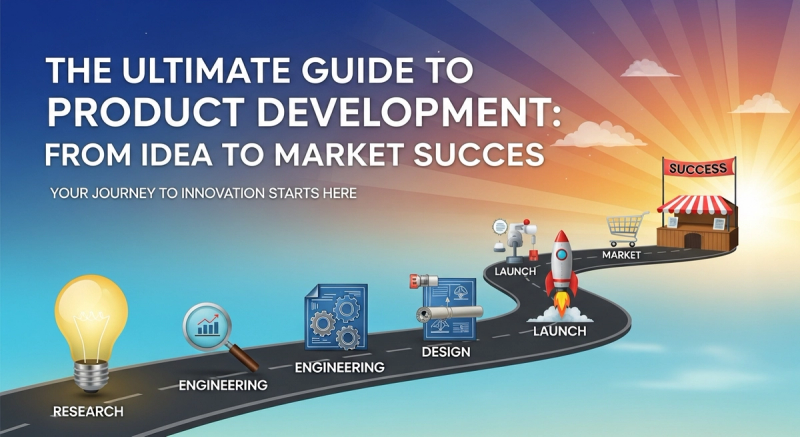
Product development is the engine driving innovation and growth across industries. It’s the creative yet methodical process of transforming an idea into a tangible solution that solves real-world problems. Whether you’re a startup founder, a product manager, or an entrepreneur, understanding the nuances of product development is essential for turning vision into reality. This guide breaks down every stage of the journey, shares practical strategies, and addresses common pitfalls to help you navigate the complex path from concept to launch.
Understanding the Product Development Landscape
At its core, product development involves researching, designing, building, and launching a product that meets market needs. It’s not just about creating something new—it’s about creating something valuable. The process blends creativity with structure, requiring teams to balance innovation with practical constraints like budget, time, and resources. Successful product development often hinges on deeply understanding your audience, validating assumptions early, and iterating based on feedback.
Why does product development matter? In today’s competitive marketplace, companies that master this process gain a significant edge. They’re better positioned to anticipate customer needs, adapt to changing trends, and deliver solutions that resonate. Moreover, well-executed product development fosters customer loyalty, drives revenue, and establishes a brand’s reputation as an innovator.
The Product Development Lifecycle: A Step-by-Step Breakdown
Product development isn’t a linear process—it’s iterative and cyclical. While frameworks may vary, most projects follow these key stages:
- Ideation: Brainstorming concepts, identifying opportunities, and evaluating ideas based on feasibility and market potential.
- Research and Validation: Conducting market research, user interviews, and competitive analysis to refine ideas and validate demand.
- Design and Prototyping: Creating wireframes, mockups, and prototypes to visualize the product and test its functionality.
- Development: Building the product, whether software, hardware, or a hybrid, using agile methodologies for flexibility.
- Testing and QA: Rigorous quality assurance to identify bugs, ensure usability, and gather user feedback.
- Launch: Releasing the product to the market with a go-to-market strategy that includes marketing and sales plans.
- Post-Launch: Monitoring performance, collecting user data, and iterating to improve the product.
Each stage demands unique skills and tools. For instance, goal-setting frameworks can help teams align on milestones, while prototyping tools streamline the design phase. Skipping validation or rushing testing often leads to costly failures later.
Key Strategies for Success
Adopting the right strategies can make or break your product development efforts. Here are proven approaches:
- User-Centered Design: Prioritize user needs at every stage. Empathy mapping and journey analysis ensure the product solves real problems. Strategic feature crafting focuses on delighting users, not just adding complexity.
- Agile Methodology: Break projects into small, manageable sprints. This allows for quick adjustments based on feedback, reducing risks and accelerating time-to-market.
- Cross-Functional Collaboration: Involve designers, engineers, marketers, and customer support from day one. Diverse perspectives uncover blind spots and foster innovation.
- Data-Driven Decisions: Use analytics to track user behavior, measure engagement, and identify improvement opportunities. Tools like performance trackers can provide insights into user retention and satisfaction metrics.
Overcoming Common Challenges
Even the best teams face hurdles. Here’s how to tackle them:
- Scope Creep: Uncontrolled expansion of project goals can derail timelines. Combat this by defining clear requirements and using change-management processes.
- Resource Constraints: Limited budgets or teams often slow progress. Prioritize features using the MoSCoW method (Must-have, Should-have, Could-have, Won’t-have) and explore funding options for early-stage products.
- Market Misalignment: If the product doesn’t solve a genuine pain point, it will fail. Validate ideas with real users before full-scale development.
- Poor Communication: Siloed teams lead to errors. Implement daily stand-ups and shared dashboards to keep everyone aligned.
Tools and Technologies for Modern Product Development
Leveraging the right tools streamlines workflows and enhances efficiency:
- Project Management: Tools like Jira or Asana help track tasks and deadlines. For freelancers, pricing strategies ensure profitability while juggling multiple projects.
- Prototyping: Figma or Sketch enable rapid design iterations. These tools let you test usability early, saving development time.
- Analytics: Platforms like Google Analytics or Mixpanel reveal user behavior patterns. For financial apps, tools like comparative reviews highlight user preferences.
- Collaboration: Slack or Miro facilitate real-time teamwork, reducing communication gaps.
Future Trends in Product Development
The landscape is evolving with emerging technologies:
- AI and Machine Learning: Automating testing, personalizing user experiences, and predicting trends.
- Sustainability Focus: Eco-friendly products are gaining traction. Innovations like renewable energy solutions are reshaping industries.
- Remote Collaboration: Distributed teams are becoming the norm. Tools that support asynchronous work are critical.
Conclusion
Product development is a dynamic blend of art and science. By embracing user-centric design, agile practices, and data-driven insights, you can transform ideas into impactful solutions. Remember to stay flexible, learn from failures, and celebrate small wins. Whether you’re launching a tech startup or refining an existing product, mastering product development is your ticket to long-term success.
Frequently Asked Questions
What is the first step in product development?
The first step is ideation, where you brainstorm and evaluate potential ideas based on market needs and feasibility. This stage involves identifying problems your product will solve and assessing its potential impact.
How long does product development typically take?
It varies widely depending on complexity. Simple products might take a few months, while complex software or hardware projects can span years. Using agile methodologies can accelerate the process by enabling iterative releases.
What are the biggest risks in product development?
Key risks include building something nobody wants (lack of validation), budget overruns, scope creep, and technical challenges. Mitigate these by thorough research, prototyping, and regular user feedback.
How do you know when a product is ready to launch?
Readiness is confirmed when core features are stable, testing shows minimal bugs, and user feedback is positive. Launching in phases (e.g., beta testing) can help refine the product before a full rollout.
Can product development be done solo?
Yes, but it’s challenging. Solo founders must wear multiple hats—designer, developer, marketer—often using no-code tools to streamline development. For side hustles, low-cost strategies can help validate ideas with minimal investment.
Related Tags

About the Author
Freya O'Neill
freya-o-neill is a technology journalist specializing in artificial intelligence, software innovation, cybersecurity, and emerging digital trends. She enjoys explaining complex technologies in clear, accessible language for both professionals and everyday readers.
Enjoyed this article?
Check out more content on our blog or follow us on social media.
Browse more articles