The Science of Muscle Growth and Recovery

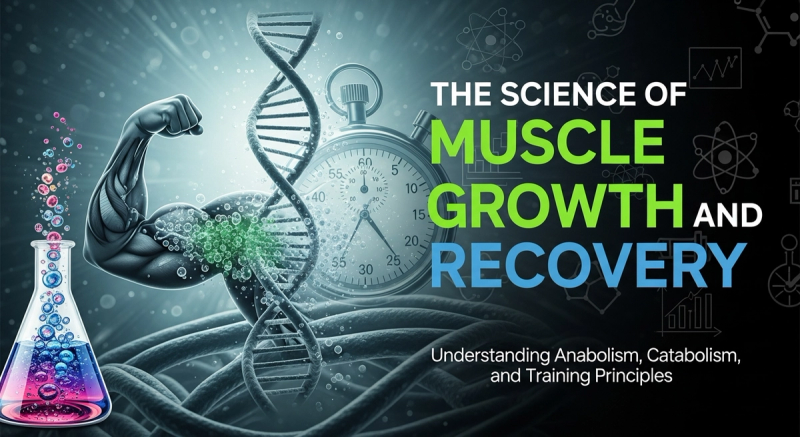
Have you ever wondered why some people build muscle effortlessly while others hit frustrating plateaus? The secret lies in understanding the intricate dance between muscle growth and recovery. This process isn't just about lifting heavy weights—it's a biological symphony involving hormones, nutrition, rest, and smart training strategies. By unpacking the science behind how muscles actually grow and heal, you can unlock your body's potential to transform your physique and performance. Let's dive into the fascinating mechanics that turn hard work into visible results.
Understanding Muscle Growth: The Science of Hypertrophy
Muscle growth, scientifically termed hypertrophy, occurs when your muscle fibers experience microscopic damage during exercise. This isn't as scary as it sounds—it's a controlled stress response that triggers repair and growth. When you lift weights, you create microscopic tears in your muscle fibers. In response, your body activates satellite cells to repair these tears, fusing them to existing muscle fibers and increasing their size and strength. This biological remodeling process requires three key elements: mechanical tension, metabolic stress, and muscle damage.
The Three Pillars of Muscle Growth
- Mechanical Tension: The force generated by your muscles against resistance. This is why progressive overload—gradually increasing weight, reps, or frequency—is crucial for continuous growth.
- Metabolic Stress: The "pump" you feel during workouts. Byproducts like lactate and hydrogen ions build up, creating cellular swelling that may stimulate growth hormones.
- Muscle Damage: The microtears that initiate repair. Eccentric movements (lowering weights) cause the most damage, making them particularly effective for hypertrophy.
Without adequate recovery, this growth process stalls. That's why rest days and sleep aren't lazy—they're biologically essential for remodeling muscle tissue.
Nutrition: Fueling Muscle Growth and Repair
Your muscles can't rebuild without the right raw materials. Protein provides amino acids—the building blocks for muscle synthesis—but timing and quality matter. Leucine, an essential amino acid, acts as a key trigger for muscle protein synthesis (MPS). Aim for 20-40 grams of high-quality protein per meal to maximize MPS.
Macronutrients for Muscle Recovery
- Protein: 1.6-2.2 grams per kilogram of body weight daily. Sources like whey, chicken, eggs, and legumes digest at different rates for sustained amino acid release.
- Carbohydrates: Fuel workouts and replenish glycogen stores. Post-workout carbs blunt cortisol (a muscle-wasting hormone) and shuttle amino acids into muscles.
- Fats: Support hormone production, including testosterone. Prioritize sources like avocados, nuts, and olive oil.
Hydration is equally critical. Even mild dehydration (2% body weight) impairs strength and delays recovery. Water transports nutrients to muscles and flushes out metabolic waste.
The Unsung Heroes: Sleep and Stress Management
While training breaks down muscles, sleep rebuilds them. During deep sleep, your body releases human growth hormone (HGH)—a natural muscle-building compound that peaks during REM sleep. Poor sleep quality or insufficient duration (less than 7 hours) elevates cortisol, which breaks down muscle tissue and stalls recovery.
Chronic stress sabotages gains by increasing cortisol and reducing testosterone. Managing stress through quick meditation techniques or daily anxiety-reducing habits creates a hormonal environment primed for growth.
For optimizing your bedroom environment, consider these strategies to enhance sleep quality. Similarly, essential sleep habits and mindfulness practices can significantly improve restorative sleep.
Training Smarter, Not Harder
Optimizing Workout Timing
The debate between morning vs. evening workouts hinges on chronotype. Morning sessions may boost testosterone, while evening training aligns with core temperature peaks for strength. Understanding your chronotype helps tailor your schedule for peak performance.
Recovery Techniques That Work
- Active Recovery: Light activities like walking or swimming promote blood flow without adding stress. Try gentle exercises that also improve sleep quality.
- Deload Weeks: Every 8-12 weeks, reduce training volume by 40-60% to prevent overtraining and allow supercompensation.
- Massage/Foam Rolling: Breaks up fascial adhesions and reduces inflammation, accelerating recovery.
Common Recovery Mistakes to Avoid
- Skipping Sleep: Sacrificing sleep for extra gym hours backfires—muscles repair during rest.
- Overlooking Protein Timing: Spreading protein intake evenly across meals maximizes muscle synthesis.
- Ignoring Pain Signals: Persistent joint or muscle pain often requires rest, not more training.
Conclusion: The Holistic Approach to Muscle Growth
Muscle growth isn't a linear process—it's a cycle of stress, repair, and adaptation fueled by nutrition, rest, and smart training. By understanding the science behind hypertrophy and recovery, you can design a regimen that maximizes results while minimizing injury risk. Remember: Your gains happen outside the gym, during meals and deep sleep cycles. Prioritize recovery just as diligently as your workouts, and you'll transform frustration into sustainable progress.
Is 48 hours enough rest for muscle recovery?
For most muscle groups, 48 hours allows adequate repair for moderate training. Larger muscle groups (like legs) may need 72 hours, especially after intense sessions. Listen to your body—lingering soreness or fatigue indicates insufficient recovery.
Can I build muscle without protein supplements?
Absolutely. Whole-food sources like eggs, Greek yogurt, and meat provide complete protein. Supplements like whey are convenient but not necessary if your diet includes varied protein sources throughout the day.
Does stretching help muscle growth?
Dynamic stretching (pre-workout) improves performance, while static stretching (post-workout) aids flexibility and may reduce soreness. However, excessive static stretching can temporarily inhibit strength, so save it for after training.
How does alcohol affect muscle recovery?
Alcohol disrupts sleep quality, increases cortisol, and impairs protein synthesis. Even one drink can blunt muscle growth by up to 20%—save celebrations for non-training days.
Should I train sore muscles?
Mild soreness (DOMS) is okay, but sharp pain indicates injury. Focus on unaffected muscle groups or opt for active recovery like walking. Training excessively sore muscles prolongs healing and raises injury risk.
Related Tags

About the Author
Martha Miller
Martha Miller is a health and wellness writer who covers nutrition, fitness, mental well-being, and healthy living. She translates medical research and expert advice into practical, easy-to-follow articles that help readers make informed lifestyle choices.
Enjoyed this article?
Check out more content on our blog or follow us on social media.
Browse more articles