Optimizing Your Bedroom for Better Sleep: Your Guide to Restful Nights

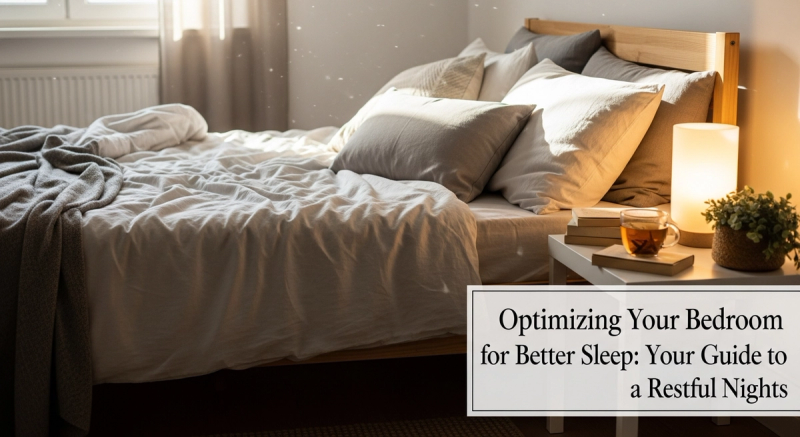
Sleep isn't just a luxury; it's a biological necessity that fuels every aspect of our health, from cognitive function to immune strength. Yet, in our hyper-connected world, quality sleep often feels elusive. The secret to transforming your nightly rest might be closer than you think: your bedroom. By deliberately crafting a sleep-conducive environment, you can unlock deeper, more restorative rest. This guide walks you through practical, science-backed strategies for optimizing your bedroom for better sleep, transforming it from a chaotic space to a tranquil sanctuary that invites relaxation and rejuvenation.
The Foundation: Your Mattress and Bedding
Before diving into ambiance, let's address the literal foundation of sleep: your bed. An uncomfortable mattress or unsupportive pillows can sabotage even the most pristine sleep environment. Investing in quality sleep surfaces is non-negotiable for long-term rest quality.
Choosing the Right Mattress
Your mattress should align your spine properly while cradging pressure points. Memory foam suits side sleepers needing cushioning for hips and shoulders, while innerspring offers firmer support for back sleepers. Hybrid mattresses blend both worlds. Replace your mattress every 7–10 years, or sooner if you notice sagging, lumps, or waking up with stiffness. Don’t forget about adjustable bases, which can alleviate back pain and improve circulation.
Pillows and Linens: Comfort Matters
Setting the Right Temperature
Your body’s core temperature naturally drops during sleep initiation, signaling it’s time to rest. Mimic this biological cue by keeping your bedroom cool—ideally between 60–67°F (15–19°C). Use breathable bedding and adjust layers easily. In summer, use fans or AC; in winter, opt for heated blankets before bed, not throughout the night. A too-warm room increases restlessness and REM sleep disruption. For chronic temperature issues, consider smart thermostats that learn your sleep patterns.
Controlling Light Exposure
Light is the most powerful environmental cue for your circadian rhythm. Even small amounts of light can suppress melatonin production—the sleep hormone. Start by installing blackout curtains or blinds to block streetlights and early morning sun. Eliminate LED indicators from electronics (tape them over or turn devices face-down). If absolute darkness isn’t possible, use a comfortable sleep mask. In the morning, expose yourself to bright light within 30 minutes of waking to reinforce your cycle. This simple trick aligns your body clock with the day-night cycle, promoting consistent sleep-wake times.
Reducing Noise Pollution
Sudden noises jolt you out of deep sleep stages, fragmenting rest even if you don’t fully wake. Address noise proactively:
- Earplugs or White Noise: Silicone earplugs or a white noise machine mask disruptive sounds. Fan apps work well too.
- Soundproofing: Use heavy curtains, rugs, and weatherstripping around doors/windows to absorb sound.
- Communication: If sharing a space, discuss quiet hours. For unpredictable noises (traffic, pets), rearrange furniture or add acoustic panels.
Chronic sleepers might benefit from reducing screen time earlier, as digital content often includes jarring sounds.
Declutter Your Space for a Calm Mind
Mental clutter often mirrors physical clutter. A chaotic bedroom with piles of laundry, work papers, or scattered items triggers stress hormones, hindering relaxation. Apply the "out of sight, out of mind" principle:
- Designate specific storage: Use under-bed bins, nightstands with drawers, and closet organizers.
- Remove non-sleep items: Move work desks, exercise equipment, or TVs elsewhere.
- Daily reset: Spend 5 minutes tidying before bed. A clear space signals your brain it’s time to unwind.
Decluttering also reduces allergens like dust mites, which can cause congestion and restless sleep.
The Role of Scents in Sleep
Aromatherapy can prime your body for relaxation. Scents like lavender, chamomile, and sandalwood have mild sedative effects. Use an essential oil diffuser 30 minutes before bed, or spritz a diluted scent on pillows. Avoid overpowering fragrances, which can cause headaches. For anxiety relief, combine scent with quick meditation techniques like deep breathing in your freshly scented room.
Creating a Sleep Sanctuary: Beyond the Basics
Incorporating Relaxing Activities
Your bedroom should signal relaxation, not stimulation. Consider adding a comfortable chair for reading (using soft light), or a small water fountain for soothing sounds. Avoid high-energy activities like watching intense TV or arguing in this space. Instead, wind down with calming rituals: gentle stretching, journaling, or listening to quiet music. These activities create a mental association between your room and peace.
Digital Detox Before Bed
Blue light from screens suppresses melatonin more intensely than any other light source. Establish a "no screens" rule 60–90 minutes before bed. Replace scrolling with a book (preferably physical), or listen to a calming podcast. For those struggling to disconnect, evening exercises like yoga can transition your body into rest mode without overstimulation. Reserve your bed solely for sleep and intimacy to strengthen the mental link between bed and rest.
The Bigger Picture: Sleep Habits and Lifestyle
While bedroom optimization is powerful, it works best combined with healthy habits. Consistent sleep schedules—even on weekends—are crucial. Avoid caffeine and heavy meals 3–4 hours before bed. Limit naps to 20 minutes early in the day. For chronic sleep issues, consider essential sleep habits like cognitive behavioral therapy for insomnia (CBT-I), which restructures negative sleep thoughts. Pairing environmental tweaks with these practices creates a holistic approach to better rest.
Optimizing your bedroom isn't about perfection; it's about intentional choices that reduce barriers to sleep. Small changes—like swapping blackout curtains or decluttering a surface—can yield significant improvements. Remember, your bedroom is your personal retreat, a space dedicated to recovery and renewal. By nurturing it, you invest in your most fundamental health asset: deep, restorative sleep.
FAQs: Optimizing Your Bedroom for Better Sleep
Q: How long does it take to adjust to a new sleep environment?
A: Most people notice improvements within 3–7 days of making changes, especially if they address multiple factors like light, temperature, and noise. Full adaptation to new sleep habits may take 2–4 weeks.
Q: Can plants improve sleep quality?
A: Yes! Plants like lavender, snake plant, or jasmine can purify air and promote calm. Avoid high-maintenance plants that require frequent attention, which might become stressors.
Q: Is it okay to work in my bedroom during the day?
A> Ideally, no. Working in bed blurs boundaries between sleep and wakefulness. If space is limited, use a divider and keep work materials out of sight after hours to maintain sleep sanctuary integrity.
Q> Do I need to buy expensive blackout curtains?
A> Not necessarily. Layering solutions like blackout curtains + blinds, or using a sleep mask, can be equally effective. Heavy, dark-colored drapes with thermal lining also block light and insulate.
Q> What if I’m a night owl but have a 9-to-5 job?
A> Gradually shift your schedule by 15 minutes earlier each night. Use bright light in the morning, and optimize your bedroom for sleep during your required hours. Morning workouts can help reset your circadian rhythm.
Q> Can pets disrupt sleep?
A> Yes—pets can cause allergies, noise, or temperature fluctuations. Consider keeping them out of the bedroom, or invest in pet beds with hypoallergenic materials if co-sleeping is non-negotiable.
Related Tags

About the Author
Martha Miller
Martha Miller is a health and wellness writer who covers nutrition, fitness, mental well-being, and healthy living. She translates medical research and expert advice into practical, easy-to-follow articles that help readers make informed lifestyle choices.
Enjoyed this article?
Check out more content on our blog or follow us on social media.
Browse more articles