The Evolution of AI Wearable Tech: 2015–2026 and What’s Next

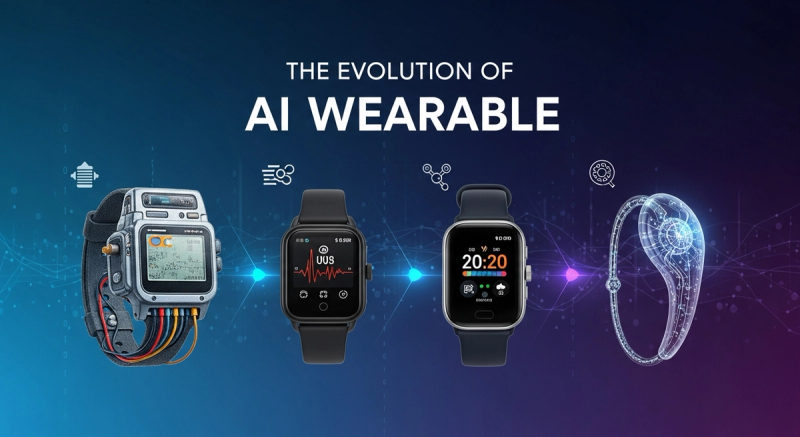
Remember the bulky fitness trackers of the mid-2010s? Those humble pedometers and heart-rate monitors were just the beginning. Fast-forward a decade, and AI-powered wearables have transformed from niche gadgets into essential life companions. This journey from simple step-counters to sophisticated health and productivity mirrors the explosive growth of artificial intelligence itself. As we stand at the midpoint of 2026, it’s fascinating to reflect on how far we’ve come – and even more exciting to imagine where we’re headed next. The story of AI wearables isn’t just about technological leaps; it’s about how these devices have quietly woven themselves into the fabric of our daily lives, making us healthier, safer, and more connected than ever before.
The Dawn of AI Integration: 2015–2018
In 2015, wearable tech was largely about data collection rather than intelligent interpretation. Devices like the first Apple Watch and Fitbit trackers excelled at counting steps and monitoring sleep, but they couldn’t truly understand what that data meant. The real revolution began as AI algorithms started processing these raw streams of information. By 2017, wearables began offering basic insights – "You walked 5,000 steps today" evolved into "Your sedentary time increased by 30% yesterday." This shift was pivotal, moving wearables from passive recorders to active advisors.
Key Milestones of Early AI Wearables
- 2015: First smartwatches with rudimentary AI-powered notifications
- 2017: Introduction of stress-tracking algorithms using heart rate variability
- 2018: Early fall detection systems leveraging accelerometer data
These innovations laid crucial groundwork, though limitations persisted. Battery life remained challenging, and AI capabilities were often cloud-dependent, requiring constant smartphone connectivity. Yet the direction was clear: wearables were evolving into personal health sentinels. Early adopters began experiencing tangible benefits, like notifications to stand up after prolonged sitting – simple interventions with profound impact on daily habits.
The Pandemic Accelerator: 2020–2021
COVID-19 acted as an unexpected catalyst for AI wearable adoption. Suddenly, tracking vital signs like respiratory rate and blood oxygen saturation became critical public health priorities. Devices like the Oura Ring and Whoop Strap pivoted to focus on immune system monitoring, while new entrants emerged specifically designed for symptom detection. The pandemic accelerated two key trends: miniaturization and on-device AI processing.
By 2021, we saw the rise of edge computing in wearables – AI algorithms running directly on the device rather than relying on cloud servers. This breakthrough enabled real-time alerts without draining batteries. For instance, AI wearables could detect early signs of atrial fibrillation with hospital-grade accuracy, potentially preventing strokes through timely intervention. This period also marked the first truly integrated health platforms, where wearables synced telehealth appointments and medication reminders – a glimpse into the future of proactive healthcare.
Business Applications Emerge
While health dominated early adoption, businesses began recognizing wearables’ potential beyond personal use. Remote teams experimented with AI-powered devices to monitor mental wellbeing during virtual workdays. Logistics companies implemented wearables tracking fatigue levels among drivers to prevent accidents. These applications hinted at wearables’ broader societal impact, though concerns about privacy and data security became increasingly prominent. The groundwork laid during this period paved the way for the next phase of innovation.
The Smart Wearable Revolution: 2022–2026
Today’s AI wearables resemble something out of science fiction. Smart glasses translate languages in real-time; rings monitor blood sugar without pricks; pins project holographic interfaces onto palms. The most dramatic advancement has been in contextual awareness – devices now understand not just what data they collect, but what it means in your specific context. A smartwatch doesn’t just measure heart rate; it knows whether elevated readings stem from intense exercise, stress at work, or an underlying condition requiring attention.
Health monitoring has reached unprecedented sophistication. AI personal assistants now run complex health regimens, from reminding medication doses to analyzing sleep patterns and suggesting personalized adjustments. They’ve evolved beyond reactive alerts to predictive care – flagging potential health issues days before symptoms appear. This shift toward prevention represents perhaps the most significant achievement in wearable tech’s evolution. Meanwhile, new form factors are emerging beyond watches and rings: smart fabrics, earbud assistants, and even AI-powered jewelry that adapts to your emotional state.
Key Features Defining 2026 Wearables
- On-device AGI integration: Running advanced models locally for instant, private processing
- Multi-sensor fusion: Combining biometric, environmental, and behavioral data for holistic insights
- Emotional AI: Detecting stress, mood changes, and cognitive states through subtle physiological cues
- Augmented interfaces: Projecting contextual information directly into your field of vision
The current generation also addresses earlier limitations dramatically. Modern wearables boast week-long battery life even with heavy AI processing, thanks to neural efficiency breakthroughs. Privacy protections have strengthened significantly, with governments implementing strict data regulations specifically for health wearables. What’s remarkable is how seamlessly these technologies integrate – users no longer think about "using AI"; they simply experience intelligent assistance as natural extensions of themselves.
The Frontier: What’s Next Beyond 2026
As impressive as today’s wearables are, we’re likely on the cusp of even more transformative changes. The next frontier involves deeper biointegration – wearables that don’t just monitor biological signals but actively influence them. Imagine rings that release calming neurotransmitters when detecting stress spikes, or smart fabrics that stimulate muscle recovery during sleep. This convergence of AI, biotechnology, and nanotechnology could fundamentally redefine human augmentation.
Emerging Trends to Watch
- Neural interfaces: Wearables reading brainwaves for thought-controlled actions
- Digital twin integration: Creating AI replicas of your body for personalized health simulations
- Environmental symbiosis: Devices that adapt to your surroundings while optimizing wellbeing
- Collective intelligence networks: Wearables sharing anonymized data to predict public health trends
Business applications will expand dramatically. Small businesses are already leveraging AI audits to implement wearables for workplace safety and productivity. We’ll likely see industry-specific wearables – construction helmets with fatigue detection, agricultural sensors monitoring crop health through farmers’ physiological data, or chefs’ sleeves tracking hand hygiene and contamination risks. The integration with larger AI ecosystems will become seamless, with wearables serving as gateways to broader AGI systems.
Perhaps most importantly, wearables will play crucial roles in combating emerging challenges. As deepfake technology becomes more sophisticated, wearables could verify digital identities through unique biometric signatures. They’ll help navigate information overload by curating personalized content streams while protecting users from manipulation. The devices on our wrists and fingers may ultimately become humanity’s first line of defense against both technological threats and environmental crises.
Conclusion
The journey from 2015’s basic fitness trackers to 2026’s intelligent life companions showcases technology’s remarkable capacity for evolution. What began as simple step-counters has blossomed into sophisticated systems that understand our bodies, anticipate needs, and enhance human capabilities in previously unimaginable ways. The true measure of this evolution isn’t in technical specifications but in how these devices have empowered millions to take control of their health, work smarter, and live fuller lives.
As we look ahead, the line between human and machine continues to blur – not through replacement, but through augmentation. The future of AI wearables promises deeper integration with our biology, environment, and society. They won’t just be tools we wear; they’ll be extensions of ourselves, helping us navigate an increasingly complex world while staying true to our humanity. The next decade may bring changes we can scarcely imagine, but one thing is certain: the best AI wearables will always serve one purpose – to help us live better, healthier, and more meaningfully.
What qualifies as an AI wearable device?
AI wearables are devices worn on the body that incorporate artificial intelligence to process data, learn from patterns, and provide intelligent insights or actions. Examples include smartwatches with ECG analysis, rings that track blood glucose, glasses with real-time translation, and even smart clothing that monitors posture. Unlike traditional wearables that merely collect data, AI wearables interpret context and make personalized recommendations.
How secure is my health data on AI wearables?
Modern AI wearables employ multiple layers of security including on-device encryption, anonymization techniques, and compliance with regulations like HIPAA. Leading manufacturers implement end-to-end encryption for data transmission and allow users to control data sharing permissions. However, users should always review privacy settings and be cautious about third-party app permissions to maintain maximum security.
Can AI wearables replace medical diagnostics?
While current AI wearables offer impressive health monitoring capabilities, they complement rather than replace professional medical care. Devices can detect patterns and flag potential issues for medical attention, but they aren’t FDA-approved diagnostic tools. The most effective approach combines wearable insights with regular medical check-ups, where doctors can interpret comprehensive health data alongside clinical expertise.
What’s the battery life like on modern AI wearables?
Battery life varies significantly by device and usage. Advanced 2026 models typically last 3-7 days with standard AI features enabled. Heavy use of on-device AI processing or continuous health monitoring may reduce this to 1-2 days. Manufacturers are rapidly improving power efficiency through neural network optimization and low-energy processors, with some experimental models now boasting 2-week battery life.
How will AI wearables handle emotional wellbeing?
Next-generation wearables increasingly incorporate emotional AI through physiological monitoring – tracking cortisol levels, heart rate variability, and micro-expressions to detect stress, anxiety, or mood changes. Some devices already offer breathing exercises and mindfulness prompts based on detected stress levels. Future developments may include mood-boosting light therapy, haptic feedback for emotional regulation, and personalized mental health support.
Are there ethical concerns with AI wearables?
Yes, significant ethical considerations exist around data privacy, algorithmic bias, and psychological dependency. Global policies are evolving to address these issues, requiring transparency in AI decision-making and preventing discrimination in health algorithms. Users should remain vigilant about data usage policies and advocate for responsible AI development that prioritizes human wellbeing over corporate interests.
Related Tags

About the Author
Freya O'Neill
freya-o-neill is a technology journalist specializing in artificial intelligence, software innovation, cybersecurity, and emerging digital trends. She enjoys explaining complex technologies in clear, accessible language for both professionals and everyday readers.
Enjoyed this article?
Check out more content on our blog or follow us on social media.
Browse more articles