Sustainable Travel Toiletries 2026: Zero-Waste & Reef-Safe Packing List

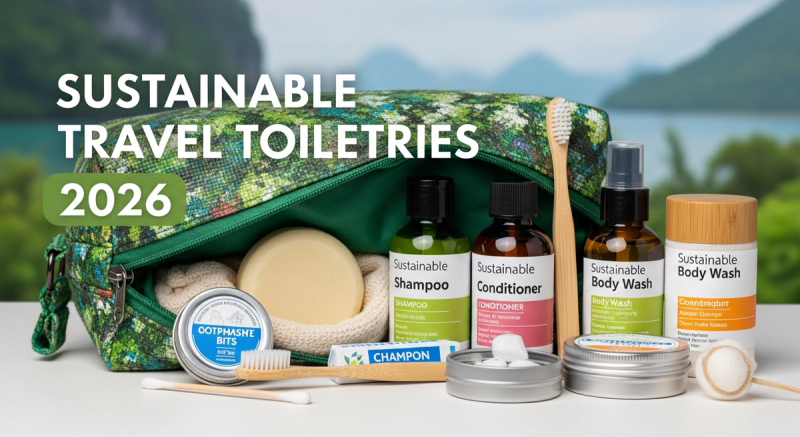
In an era where climate consciousness and ocean health are front and center, our travel routines are undergoing a green revolution. As we journey into 2026, ditching single-use plastics and harmful chemicals isn't just trendy—it's essential for preserving the destinations we love. This comprehensive guide will walk you through curating the ultimate sustainable travel toiletries kit, focusing on zero-waste solutions and reef-safe ingredients. Whether you're backpacking through Southeast Asia or exploring coastal Europe, packing eco-friendly toiletries reduces your environmental footprint while protecting fragile ecosystems. Let's dive into how you can travel cleaner, smarter, and more sustainably than ever before.
Why Sustainable Travel Toiletries Matter in 2026
The travel industry contributes significantly to plastic waste and chemical pollution, with hotel toiletries alone generating tons of non-recyclable waste annually. By switching to sustainable alternatives, you're not just reducing landfill contributions—you're safeguarding marine life. Sunscreen chemicals like oxybenzone and octinoxate have been devastating coral reefs worldwide, causing bleaching and genetic damage. The United Nations Environment Programme estimates that up to 14,000 tons of sunscreen wash into oceans annually, harming 10% of global coral reefs. Adopting reef-safe toiletries directly combats this crisis, while zero-waste practices minimize resource extraction and pollution from packaging production.
The Ripple Effect of Sustainable Choices
Every plastic tube of toothpaste or bottle of shampoo you leave behind contributes to microplastic pollution in oceans and waterways. Sustainable travel toiletries create a positive ripple effect: they conserve water resources (many eco-friendly products require less water for production), reduce carbon emissions from plastic manufacturing, and inspire other travelers and locals to adopt greener habits. As highlighted in 15 Sustainable Business Practices Every Entrepreneur Should Adopt in 2026, individual choices collectively drive systemic change in consumption patterns.
Building Your Zero-Waste Travel Kit
A zero-waste toiletry kit replaces disposables with reusable, durable, and compostable alternatives. The key is prioritizing products with minimal or plastic-free packaging. Start with these essentials:
- Solid toiletries: Shampoo bars, conditioner bars, and toothpaste tablets eliminate plastic bottles. Brands like Lush and Ethique offer compact, travel-friendly options that last 2-3 times longer than liquid equivalents.
- Refillable containers: Invest in leak-proof silicone or stainless steel containers for liquids you can't find solid versions of (e.g., moisturizer). Use glass jars for thicker products like creams or balms.
- Multi-purpose items: A single bar of Castile soap can serve as body wash, shampoo, and shaving cream. Coconut oil works as a moisturizer, makeup remover, and hair conditioner.
- Compostable alternatives: Bamboo toothbrushes, loofah sponges, and reusable cotton rounds replace disposable plastics. Opt for toilet paper wrapped in recycled paper instead of plastic.
Smart Packing Strategies
Efficiency is crucial for zero-waste travel. Use packing cubes to organize solids and prevent leaks. For liquids, decant into reusable containers and fill them only halfway to avoid spills during transit. Consider budgeting templates to allocate funds for quality, durable products that last multiple trips. Remember: investing in high-quality reusables saves money long-term by reducing repurchase frequency.
Reef-Safe Ingredients: What to Look For
When selecting toiletries, prioritize products certified as "reef-safe" by organizations like the Environmental Working Group (EWG) or Haereticus Environmental Laboratory. Avoid these harmful chemicals:
- Oxybenzone and Octinoxate: UV filters that cause coral bleaching and DNA damage.
- Octocrylene: Generates harmful coral bleaching effects when exposed to UV light.
- Microplastics: Tiny plastic beads found in exfoliants and toothpaste that infiltrate marine food chains.
- Chemical sunscreens with nanoparticles: Penetrate coral tissues and disrupt reproduction.
Instead, choose mineral-based sunscreens with non-nano zinc oxide or titanium dioxide, which create a protective physical barrier without harming reefs. Similarly, opt for biodegradable soaps and shampoos free from sulfates, parabens, and synthetic fragrances that disrupt aquatic ecosystems.
Essential Packing List for 2026 Travel
Here’s a comprehensive checklist combining zero-waste principles and reef-safe formulations:
Hygiene Essentials
- Shampoo and conditioner bars (ensure palm-oil free)
- Toothpaste tablets in a metal or glass tin
- Bamboo toothbrush with charcoal bristles
- Solid deodorant in paper packaging
- Menstrual cup or reusable cloth pads
- Biodegradable dental floss on a glass dispenser
Sun Protection
- Mineral sunscreen (zinc oxide/titanium dioxide) in a tin or tube
- Lip balm with SPF and eco-friendly packaging
- UPF-rated clothing for additional coverage
Skincare & Beauty
- Refillable face oil or moisturizer in glass
- Solid face wash or cleansing bar
- Reusable makeup remover pads
- Bamboo or metal safety razor with replaceable blades
- Multi-purpose stick balm (lip, cheeks, cuts)
Miscellaneous
- Insulated water bottle with built-in filter
- Eco-friendly laundry strips or solid detergent
- Solid insect repellant with essential oils
- Cotton muslin produce bags for solid soaps
Tips for Sustainable Travel Success
Transitioning to sustainable toiletries requires preparation. Here’s how to make the shift seamless:
- Start early: Test products at home to avoid travel mishaps. Solid toiletries may need time to harden if used in humid climates.
- Research destinations: Some regions (like Hawaii, Palau, and parts of Mexico) ban reef-harming sunscreens. Check local regulations before packing.
- Embrace minimalism: Remember that multi-purpose items reduce bulk. For example, coconut oil replaces five separate products.
- Support local brands: Seek out eco-friendly refill stations or zero-waste stores at your destination. This reduces transport emissions and supports the local economy.
As noted in Setting Freelance Goals, sustainability requires consistent effort. Track your waste reduction over time to stay motivated. Apps like net worth trackers can help monitor savings from reduced product purchases.
Conclusion
Sustainable travel toiletries represent more than just a packing upgrade—they embody a conscious choice to protect our planet while exploring it. By prioritizing zero-waste solutions and reef-safe ingredients, you become part of a growing movement to preserve natural wonders for future generations. The 2026 travel landscape demands innovation and responsibility, and your toiletry kit is the perfect place to start. With this comprehensive packing list and mindset shift, you’re ready to embark on adventures that leave nothing behind but footprints—and take away unforgettable memories. Remember, every sustainable choice contributes to a cleaner, healthier world, one trip at a time.
Frequently Asked Questions
Are solid toiletries as effective as liquid ones?
Yes! Modern solid toiletries are formulated to perform comparably to liquids. Shampoo bars, for example, contain concentrated ingredients without water filler, making them equally or more effective while lasting 2-3 times longer. Look for brands that clearly state hair/skin type compatibility on packaging.
How do I dispose of used solid toiletries packaging?
Most sustainable toiletries use compostable or recyclable packaging. Paper wrappers can be recycled or composted (if uncoated), metal tins are infinitely recyclable, and glass jars should be returned to refill stations or recycled. Contact local facilities for specific guidelines, as some facilities require labels removed.
Can I bring zero-waste toiletries in carry-on luggage?
TSA and international security allow solid toiletries in carry-ons without size restrictions. For liquids in refillable containers, follow standard liquid rules: containers must hold ≤3.4 oz (100ml), fit in a clear quart-sized bag, and be declared at security. Solid items like bars or tablets bypass these limits entirely.
What’s the cost difference between traditional and sustainable toiletries?
While upfront costs may be higher (quality reusables cost $15-50), long-term savings are substantial. A $10 shampoo bar replaces 3-4 $8 liquid bottles, saving $20-25 over its lifespan. Budgeting tools show that sustainable kits pay for themselves within 3-5 uses.
Are all mineral sunscreens reef-safe?
Not necessarily. Ensure your mineral sunscreen uses non-nano zinc oxide or titanium dioxide (particles >100nm) that cannot penetrate coral tissues. Avoid "water-resistant" claims if they contain petroleum-based ingredients, and verify certification from organizations like Safe Reef or Protect Paradise.
Related Tags

About the Author
Tyler Cole
Tyler Cole writes about business, personal finance, investing, entrepreneurship, and market trends. His work focuses on helping readers understand economic developments, build financial confidence, and make smarter money decisions.
Enjoyed this article?
Check out more content on our blog or follow us on social media.
Browse more articles