How to Choose the Perfect Travel Clothes – Fabrics, Layers & Capsule Wardrobe Tips

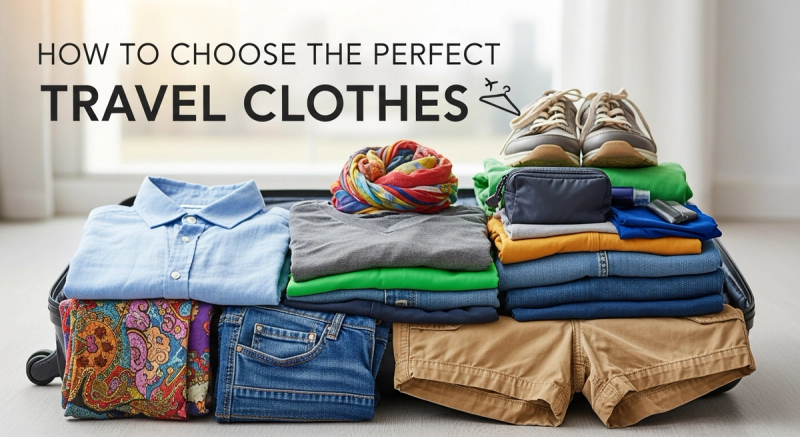
Planning a trip is exciting, but choosing what to pack can feel overwhelming. The right travel wardrobe isn’t about fashion trends—it’s about practicality, comfort, and adaptability. Whether you’re exploring bustling cities, hiking remote trails, or lounging on a beach, your clothing can make or break your experience. This guide breaks down the essentials: selecting durable fabrics, mastering layering techniques, and building a versatile capsule wardrobe. By focusing on these elements, you’ll travel lighter, move freely, and feel confident in any situation.
Understanding Fabrics: The Foundation of Travel Wardrobe
Fabrics dictate comfort, durability, and ease of care—three pillars of great travel clothes. Forget cotton-heavy outfits that absorb sweat and take forever to dry; modern travelers need performance-oriented materials. Start by prioritizing fabrics that resist wrinkles, dry quickly, and regulate temperature.
Top Travel-Friendly Fabrics
- Merino Wool: Naturally moisture-wicking, odor-resistant, and temperature-regulating. Ideal for base layers and socks, even in humid or cold climates. Brands like Smartwool and Icebreaker offer lightweight options.
- Synthetics (Polyester, Nylon): Quick-drying and durable. Opt for recycled polyester (rPET) for eco-friendly choices. Perfect for outerwear, activewear, and travel-friendly dresses.
- Tencel/Lyocell: Made from sustainably sourced wood pulp, it’s silky, breathable, and wrinkle-resistant. Great for shirts and casual wear.
- Modal: Soft, breathable, and resistant to shrinking. Works well for underwear, loungewear, and lightweight pants.
Fabrics to Avoid
Steer clear of heavy cotton (jeans, sweatshirts) that stay damp and bulky. Skip delicate materials like silk, which require special care and stain easily. For sustainability, check out eco-friendly business practices that prioritize ethical production.
The Art of Layering: Your Climate Control System
Layering is non-negotiable for unpredictable weather. Instead of packing bulky items, combine versatile layers to adapt to changing temperatures. This approach saves space and weight while keeping you comfortable from dawn to dusk.
Building a 3-Layer System
- Base Layer: Moisture-wicking fabric (merino wool or synthetic) that sits against your skin. Prevents chafing and keeps you dry.
- Mid Layer: Insulation like fleece or a lightweight puffer jacket. Adds warmth without bulk.
- Outer Layer: Weather-resistant shell (windbreaker or waterproof jacket). Blocks wind, rain, or snow.
Layering Tips for Travel
- Pack layers that can be mixed and matched for different outfits.
- Choose neutral colors to maximize outfit combinations.
- Roll clothes instead of folding to prevent wrinkles and save space.
Capsule Wardrobe Strategy: Less, But Better
A capsule wardrobe consists of 15-20 versatile, high-quality items that work together. For travel, this means fewer outfits, zero redundancies, and more time enjoying your destination.
Steps to Build Your Travel Capsule
- Assess Your Trip: Consider climate, activities, and duration. A beach vacation needs different pieces than a business trip.
- Choose Versatile Basics: Include neutral tops, bottoms, and one or two statement pieces. Prioritize wrinkle-resistant fabrics.
- Stick to a Color Palette: 2-3 complementary colors simplify mixing and matching.
- Include Accessories: Scarves, hats, and jewelry elevate outfits without adding bulk.
Example Capsule for a 7-Day Trip
- Tops: 4 (merino wool tees, button-down, sweater)
- Bottoms: 2 (stretchy trousers, leggings)
- Dresses/Jumpsuits: 2 (day-to-night versatile)
- Outerwear: 1 (lightweight jacket)
- Shoes: 2 (comfortable walking shoes, sandals)
- Extras: 7 pairs of socks/underwear, sleepwear, swimwear
Additional Travel Clothing Essentials
Comfort is King
Prioritize flat-seam construction, tagless labels, and flexible waistbands to avoid irritation. For long flights or train rides, invest in a travel pillow and compression socks. Remember, sustainable success in travel starts with feeling your best.
Footwear Matters
Choose broken-in shoes with good arch support. Opt for slip-on styles for security checks and quick outfit changes. Rotate shoes daily to prevent blisters.
Undergarments and Socks
Pack moisture-wicking underwear and wool socks—they’re lifesavers for hygiene and odor control. Merino wool socks regulate temperature and prevent blisters on hikes.
Conclusion
Packing smart isn’t about sacrificing style—it’s about making intentional choices that enhance your travel experience. Focus on fabrics that perform, layers that adapt, and a capsule wardrobe that simplifies decision-making. When you’re comfortable and prepared, you’ll have more energy to embrace adventures, document memories, and immerse yourself in new cultures. Remember, the perfect travel outfit is one that feels like a second skin, ready for whatever the journey brings.
How do I choose clothes for a multi-climate trip?
Start with a base layer of merino wool, add a mid-layer for insulation, and finish with a versatile outer shell. Pack convertible pants and reversible jackets for maximum adaptability. Stick to fabrics that dry quickly and resist odors.
Can I use capsule wardrobe principles for business travel?
Absolutely. Choose tailored blazers, neutral trousers, and silk blouses. Mix and match with accessories for different looks. Wrinkle-resistant fabrics and shoe covers for professional polish are key.
What’s the most eco-friendly travel clothing approach?
Pack fewer high-quality, sustainable items made from recycled or natural fibers. Prioritize brands transparent about their supply chains. Rent formalwear for events to reduce waste, and repair instead of replacing damaged items.
How do I avoid overpacking?
Follow the 3-1-1 rule: 3 tops, 1 bottom, 1 dress per 3 days. Lay out everything you think you need, then remove 30%. Use packing cubes to visualize space and compress items.
Are there fabrics to avoid for humid climates?
Avoid heavy cotton and linen, which retain moisture. Instead, choose lightweight synthetics, Tencel, or merino wool, which wick sweat and dry quickly. Opt for loose fits to encourage airflow.
Related Tags

About the Author
Tyler Cole
Tyler Cole writes about business, personal finance, investing, entrepreneurship, and market trends. His work focuses on helping readers understand economic developments, build financial confidence, and make smarter money decisions.
Enjoyed this article?
Check out more content on our blog or follow us on social media.
Browse more articles