Challenges Green Hydrogen Adoption Faces in the Global Energy Transition

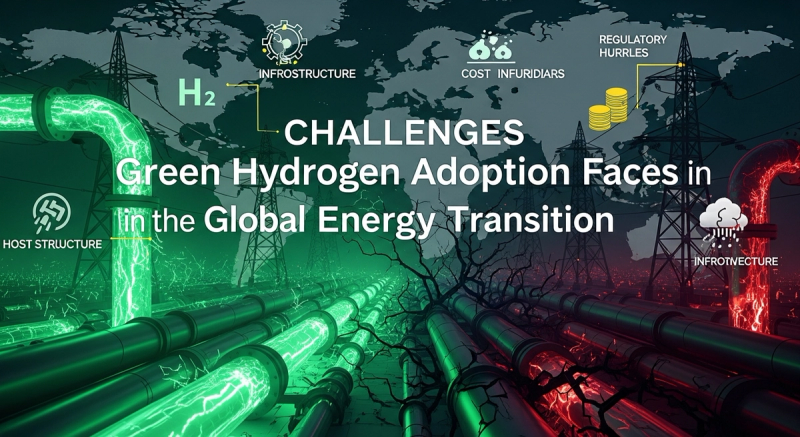
Green hydrogen—produced by splitting water using renewable electricity—has emerged as a cornerstone solution for decarbonizing heavy industries, transportation, and energy storage. As governments and businesses worldwide race to achieve net-zero emissions, this clean energy carrier promises to replace fossil fuels in sectors where electrification alone falls short. Yet despite its potential, the journey toward widespread green hydrogen adoption is fraught with significant hurdles. From cost barriers and infrastructure gaps to technological limitations and policy uncertainties, these challenges must be addressed to unlock hydrogen’s full role in our sustainable future. Let’s explore the key obstacles standing in the way of this energy revolution.
Understanding Green Hydrogen’s Promise and Pitfalls
Green hydrogen is generated through electrolysis, where renewable energy powers electrolyzers that separate water into hydrogen and oxygen. Unlike "grey hydrogen" (made from natural gas with high CO₂ emissions) or "blue hydrogen" (which captures but doesn’t eliminate all emissions), green hydrogen is entirely carbon-free when produced and used. Its versatility makes it invaluable for steel manufacturing, shipping, aviation, and long-duration energy storage—areas where batteries fall short. However, scaling this technology requires overcoming systemic barriers that currently keep production costs high and supply chains fragmented.
Major Challenges in Green Hydrogen Adoption
1. Prohibitive Production Costs
The most immediate challenge is economics. Green hydrogen currently costs $4–$6 per kilogram to produce, compared to $1–$2 for grey hydrogen. This gap stems from three primary factors: high electricity expenses (electrolysis consumes 50–55 kWh of energy per kg of hydrogen), expensive electrolyzer equipment, and limited economies of scale. While costs are projected to fall by 50% by 2030, current price points make green hydrogen uncompetitive without subsidies or carbon pricing. Businesses must balance long-term sustainability goals with short-term affordability concerns, creating a chicken-and-egg scenario where demand remains low until prices drop.
2. Infrastructure Gaps and Scalability Issues
Unlike electricity, hydrogen requires entirely new infrastructure for production, storage, and transportation. Existing natural gas pipelines can’t handle hydrogen without costly modifications, and dedicated hydrogen pipelines are scarce. Storage poses another challenge—hydrogen’s low density necessitates high-pressure tanks, liquefaction, or underground salt caverns, all of which add complexity. Shipping hydrogen via trucks or ships is inefficient due to space constraints, and global ports lack refueling stations for hydrogen-powered vessels. These gaps force early adopters to build isolated projects, hindering the network effects needed for economies of scale. For businesses, investing in bespoke infrastructure can be prohibitively risky without supportive policies.
3. Renewable Energy Supply and Reliability
Green hydrogen’s environmental credentials depend entirely on the cleanliness of its electricity source. Large-scale production demands massive amounts of renewable energy—often requiring dedicated solar or wind farms to avoid straining existing grids. This creates a paradox: regions with abundant renewables (e.g., sunny deserts or windy coasts) may lack the infrastructure to transport hydrogen to demand centers, while industrial hubs with high energy needs may struggle to secure sufficient renewable capacity. Additionally, the intermittent nature of renewables complicates consistent hydrogen production. Solutions like pairing projects with energy storage systems or hybridizing with other renewables can help, but they add cost. Businesses navigating corporate renewable energy procurement must prioritize long-term, stable renewable contracts to ensure green hydrogen’s viability.
4. Technological and Efficiency Hurdles
Current electrolyzer technologies—alkaline, proton exchange membrane (PEM), and solid oxide electrolysis cells—each face limitations. Alkaline systems are cost-effective but less flexible with variable power input, while PEMs respond better to fluctuations but use expensive materials like platinum. Solid oxide electrolyzers promise higher efficiency but operate at extreme temperatures, raising durability concerns. Electrolysis efficiency also lags; the best systems convert 70–80% of electrical energy into hydrogen, meaning significant energy losses occur. Innovations like next-generation electrolyzers and AI-driven optimization could accelerate progress, but R&D remains underfunded compared to solar and battery technologies. Until efficiency improves and costs fall, green hydrogen’s scalability remains constrained.
5. Policy and Market Maturity Barriers
Without robust policy support, green hydrogen adoption will stall. Many governments lack clear regulations for hydrogen safety, transportation, or end-use standards. Subsidies and tax incentives exist but often focus on production rather than demand-side incentives, such as carbon pricing to penalize fossil fuels. Market immaturity compounds these issues—few standardized contracts exist for hydrogen supply, and investors hesitate to fund projects without long-term purchase agreements. Corporate adoption is further fragmented; while some companies like Amazon and Siemens are piloting green hydrogen for logistics and manufacturing, others wait for regulatory clarity. Corporate procurement trends in 2026 show growing interest, but without harmonized policies, progress will be uneven across regions and industries.
Overcoming the Hurdles: A Collaborative Future
Addressing these challenges demands coordinated action from policymakers, businesses, and innovators. Governments can accelerate adoption by implementing carbon pricing, streamlining permitting for renewable projects, and funding hydrogen infrastructure. Public-private partnerships—like the EU’s Hydrogen Bank or the U.S. Inflation Reduction Act’s clean hydrogen tax credits—are already bridging investment gaps. On the corporate front, businesses can drive demand by committing to long-term offtake agreements, investing in co-located renewable projects, and advocating for supportive policies. Technological breakthroughs in electrolysis, storage, and end-use applications (e.g., green steel, ammonia for shipping) will also be critical. As green hydrogen evolves into a frontier for businesses, early movers will gain competitive advantages in a decarbonizing economy.
The Path Forward
Green hydrogen isn’t a silver bullet for climate change, but it’s an indispensable piece of the puzzle. While challenges in cost, infrastructure, and technology are daunting, they are not insurmountable. With sustained innovation, strategic investments, and forward-thinking policies, green hydrogen can transition from a niche solution to a mainstream energy carrier. The journey won’t be easy, but the payoff—a cleaner, more resilient energy system—is worth the effort. As we navigate this transition, collaboration will be key to turning hydrogen’s promise into a global reality.
What is the biggest challenge to green hydrogen adoption?
Cost remains the primary barrier, as green hydrogen production is 3–6 times more expensive than fossil-based alternatives. High electrolyzer and electricity costs, coupled with immature infrastructure, prevent widespread competitiveness without subsidies.
How does green hydrogen compare to other renewable energy sources?
Unlike solar and wind, green hydrogen can store energy for long durations and decarbonize hard-to-electrify industries. However, it’s less efficient for short-term energy needs due to conversion losses during production and use.
Are there recent innovations improving green hydrogen economics?
Yes. Innovations include high-efficiency alkaline electrolyzers, AI-driven energy management systems to reduce operational costs, and floating solar platforms for offshore hydrogen production.
Can existing infrastructure be reused for green hydrogen?
Partial reuse is possible. Natural gas pipelines can be modified for low-blend hydrogen (up to 20%), while ammonia carriers may transport hydrogen internationally. However, dedicated infrastructure remains essential for full-scale adoption.
What role do businesses play in scaling green hydrogen?
Businesses can drive demand by committing to green hydrogen for operations, investing in R&D, and participating in corporate renewable energy procurements. Their early adoption signals market confidence and attracts investment.
Related Tags

About the Author
Freya O'Neill
freya-o-neill is a technology journalist specializing in artificial intelligence, software innovation, cybersecurity, and emerging digital trends. She enjoys explaining complex technologies in clear, accessible language for both professionals and everyday readers.
Enjoyed this article?
Check out more content on our blog or follow us on social media.
Browse more articles