15 Genius Packing Cube Hacks to Fit Twice as Much in Your Carry-On (2026)

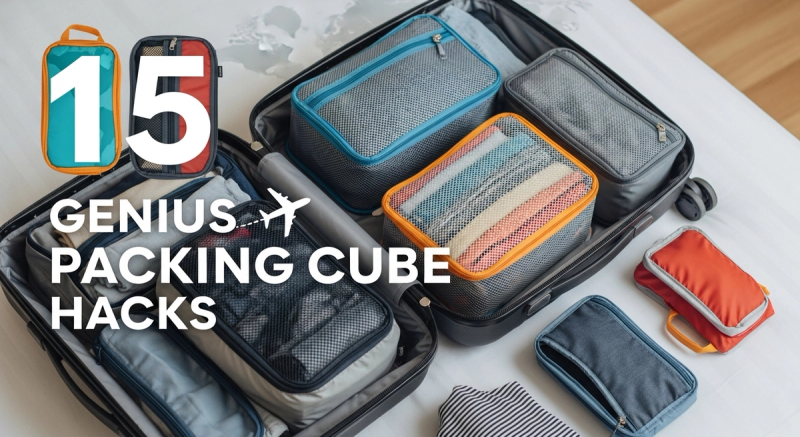
Ever stood at the airport check-in desk, desperately trying to jam that last pair of shoes into your carry-on while the agent gives you the side-eye? We’ve all been there. But what if we told you that with the right strategies, you could fit twice as much into your carry-on without checking a bag? Enter the unsung heroes of travel: packing cubes. These humble organizers are game-changers, and in 2026, they’re smarter than ever. Whether you’re a minimalist traveler or someone who struggles to leave behind that extra sweater, these 15 genius packing cube hacks will revolutionize how you pack. Let’s dive in!
The Foundation: Choosing and Prepping Your Cubes
Before you even think about folding a single shirt, your journey to carry-on mastery begins with selecting the right cubes. Opt for compressible, lightweight cubes made from ripstop nylon for durability. For 2026, consider models with see-through mesh panels for easy identification—no more dumping cubes onto the hotel bed. Start by choosing a variety of sizes: small for socks/underwear, medium for shirts/pants, and large for bulkier items like jackets or shoes. Don’t forget compression cubes for those stubborn space-hoggers like sweaters. Pro tip: If you’re serious about organization, setting clear packing goals for each cube helps avoid last-minute panic. Now, let’s get folding!
1. The Bundle Method
Instead of folding clothes, roll them tightly around a central object like a belt or scarf. This eliminates air pockets and prevents wrinkles. Place bundled outfits in separate small cubes—your entire Monday outfit in one cube, Tuesday’s in another—so you never rummage through your bag again. Bonus? It creates a "cube pyramid" that fits perfectly around your carry-on’s corners.
2. Shoes as Base Layers
Stuff socks, underwear, and chargers inside your shoes to hollow them out. Then, place each shoe in a waterproof shoe cube (or a repurposed cube with a plastic bag lining). This creates flat "blocks" at the bottom of your bag, maximizing vertical space. For eco-conscious travelers, circular economy principles even extend to reusing shoe cubes post-trip for storage!
3. Compression Cubes for Bulky Items
Sweaters, hoodies, and puffer jackets eat up space. Roll them tightly and slip them into compression cubes. Squeeze out the air until they’re flat—you’ll reclaim inches without crushing fabrics. For 2026, look for cubes with dual zippers that allow partial compression if you need to stuff in a last-minute souvenir.
Maximizing Every Nook and Cranny
Carry-ons have awkward gaps—curved corners, side pockets, and indentations. With these hacks, no space goes to waste. Think like a Tetris master, and your cubes will click into place seamlessly.
4. The Interlocking Cube Stack
Arrange cubes in a tight, interlocked grid where each cube stabilizes the next. Start with large cubes at the bottom, medium in the middle, and small cubes on top. This creates a rigid structure that shifts less during transit, preventing clothes from shifting into dead spaces. For extra stability, use a packing cube with a rigid bottom panel.
5. Fill Gaps with Small Cubes
That sliver of space between your laptop compartment and the main cavity? Perfect for a small cube filled with chargers, cables, or toiletries. Similarly, slide a slim cube into your carry-on’s front pocket for documents or sunglasses. It’s like a puzzle where every piece has a purpose.
6. Cubeception: Cubes Inside Cubes
Place small cubes (like undie organizers) inside a larger cube containing folded pants. The smaller cubes act as dividers, keeping pants crisp while utilizing every cubic inch. For tech-savvy travelers, financial tracking apps can help budget for premium cube sets—worth every penny for stress-free trips!
Smart Grouping and Multi-Tasking
What if your cubes could do double duty? These hacks transform simple organizers into travel multitools, saving space while boosting convenience.
7. Dirty Laundry Isolation
Pack a ventilated cube specifically for used clothes. This contains odors and separates clean from dirty without needing laundry bags. At trip’s end, just toss the cube directly into the wash—no sorting required. Bonus tip: Line it with a biodegradable bag for eco-friendly disposal.
8. Toiletry Cube Turned Mini Cooler
Insulated cubes aren’t just for picnics. Freeze a water bottle or pack a face mask inside, and it doubles as a cooler for snacks or medications. In 2026, sustainable travelers might even use it to keep reusable containers cool, aligning with green entrepreneurship values.
9. Electronics Hub Cube
Dedicate a cube to chargers, adapters, and cables. Use smaller pouches within it to keep items tangle-free. For remote workers, this doubles as a "mobile office" cube—just grab it and work from a café. Pair this with 2026 VA career strategies to maximize productivity on the go!
Advanced Tricks for the Overpacker
Even if you’re a chronic overpacker, these hacks will make your carry-on feel like magic. Trust us—your future self will thank you.
10. Vacuum Compression for the Desperate
When you absolutely must overstuff, use a vacuum-seal bag inside a compression cube. Squeeze out every last air bubble for extreme compactness. Note: This works best for non-delicate items like gym clothes or towels—save your favorite cashmere sweater for a gentler method.
11. The "Cube Wall" Technique
Instead of stacking cubes vertically, create a "wall" by placing them side-by-side. This fills your carry-on’s width, often leaving a gap at the top for a small toiletry bag or umbrella. It’s especially effective in spinner suitcases with flat interiors.
12. Overstuffing with Structure
For bulky items like coats or sleeping bags, roll them tightly and secure with straps. Then, place them in a large cube, compressing only the top. This prevents the "exploding suitcase" effect while accommodating extras. Think of it as Tetris with a safety net!
Post-Trip: Beyond the Suitcase
The magic of packing cubes doesn’t end when you land. Repurpose them for organized living at home, turning travel clutter into streamlined storage.
13. Seasonal Rotation System
Use labeled cubes for off-season clothes—store sweaters in one, swimsuits in another. Swap them in and out of your closet as the weather changes. For home organizers, this rivals 2026 budgeting templates in life-changing impact.
14. Car Emergency Kit
Keep a cube stocked with first-aid supplies, flashlights, and snacks in your trunk. It’s grab-and-go for any roadside adventure, proving cubes aren’t just for globetrotters.
15. Gift Wrap Organizer
Hate tangled ribbons and crumpled paper? Store gift wrap, scissors, and tags in a cube under your bed or in a closet. No more last-minute hunting for tape during the holidays!
These 15 packing cube hacks aren’t just about fitting more into your bag—they’re about reclaiming control, reducing stress, and embracing smarter travel. By 2026, the most seasoned travelers know that organization is the ultimate luxury. So grab your cubes, roll up your sleeves, and prepare to pack twice as much with half the fuss. Bon voyage!
What are packing cubes?
Packing cubes are fabric containers that compress and organize clothes inside luggage. They come in various sizes and materials, helping travelers separate items, save space, and stay tidy.
Do compression cubes really save space?
Absolutely! Compression cubes can reduce bulky items’ volume by 30–50% by removing air, making them ideal for jackets, sweaters, and blankets.
How many packing cubes should I use for a carry-on?
For a standard carry-on, 4–6 cubes work well: 2–3 for clothes, 1 for shoes, 1 for toiletries, and 1 for electronics or accessories. Adjust based on your packing style.
Can packing cubes replace a toiletry bag?
Yes! A small cube with waterproof compartments holds toiletries just as well as a traditional bag, often fitting more efficiently into luggage gaps.
Are packing cubes machine washable?
Most are—check the label. Many packing cubes are made of nylon or polyester and can be tossed in the laundry with a cold, gentle cycle for easy cleaning between trips.
Related Tags

About the Author
Ethan Jackson
Ethan Jackson is a travel and energy writer covering sustainable tourism, renewable energy, outdoor destinations, and global environmental developments. He explores how innovation and responsible travel are shaping a more sustainable future.
Enjoyed this article?
Check out more content on our blog or follow us on social media.
Browse more articles