Understanding Digital Minimalism: A Practical Guide for 2026

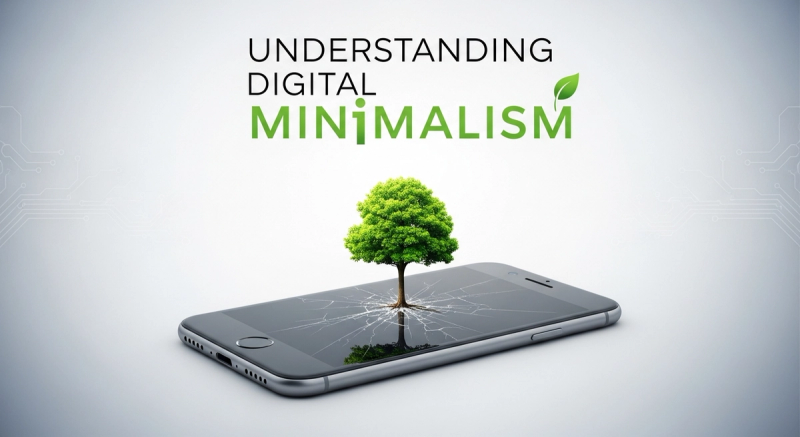
In an era where our smartphones buzz incessantly and notifications hijack our focus, digital minimalism emerges not as a rejection of technology, but as a deliberate recalibration of our relationship with it. As we navigate 2026—a year defined by AI-driven content overload and hyper-connectivity—this philosophy offers a lifeline: using technology intentionally rather than letting it use us. Whether you're drowning in digital clutter or simply seeking more meaningful online interactions, this guide will walk you through actionable steps to reclaim your time, attention, and peace in our increasingly screen-saturated world.
Why Digital Minimalism Matters in 2026
The digital landscape has evolved exponentially since the pandemic's remote work boom. In 2026, we're battling algorithmic rabbit holes, AI-generated spam, and "productivity" tools that often fragment our focus. Research shows the average person now interacts with their phone over 150 times daily, while attention spans have shrunk to 8 seconds—goldfish territory. Digital minimalism isn't about going offline; it's about curating a digital environment that serves your values, not the other way around. By stripping away digital noise, you create space for creativity, deep work, and real-life connections.
Core Principles of Digital Minimalism
Intentionality First
Every digital interaction should start with a clear purpose. Before opening an app or checking notifications, ask: "Does this align with my goals?" This principle transforms passive scrolling into active engagement. For example, instead of mindlessly browsing social media, you might use it only to connect with specific friends or share meaningful updates. Intentionality extends to your digital tools too—choosing minimalist apps that enhance productivity rather than distract from it.
Optimization Over Accumulation
Minimalists don't reject technology; they optimize it. This means ruthlessly auditing your digital footprint. Uninstall unused apps, disable non-essential notifications, and consolidate multiple tools into one efficient solution. For journaling enthusiasts, this might mean choosing a single streamlined journaling app over juggling three different ones. Optimization isn't about doing less—it's about doing what matters more effectively.
Mindful Presence
The final pillar is awareness: noticing when digital habits bleed into real life. This could mean setting phone-free zones during meals or implementing "tech curfews" an hour before bed. Mindfulness transforms digital minimalism from a set of rules into a sustainable lifestyle. As explored in the practice of slowing down, quality engagement with technology often yields greater rewards than constant connectivity.
Practical Steps to Implement Digital Minimalism
Step 1: Audit Your Digital Life
Track every digital interaction for 48 hours without judgment. Note which apps consume the most time and how they make you feel afterward. Use a simple journal or spreadsheet—our guide on journaling for beginners can help you structure this reflection. Look for patterns: Are you doomscrolling at midnight? Checking work emails during family time? Audit data reveals where changes will have the most impact.
Step 2: Declutter Your Digital Space
Begin the "digital detox" by pruning your digital ecosystem:
- Uninstall apps you haven't used in 30 days
- Unsubscribe from 10 non-essential newsletters
- Archive old files and photos (cloud storage can serve as minimalist purgatory)
- Organize your desktop and phone into minimalist folders
For deeper decluttering, consider a full digital detox weekend like the one outlined in our beginner's detox guide.
Step 3: Set Boundaries
Technology thrives on constant access. Reclaim control by establishing non-negotiable boundaries:
- Use grayscale mode on your phone to reduce visual appeal
- Disable all non-essential notifications (leaving only calls and critical alerts)
- Designate "tech-light" hours or days
- Charge your phone outside the bedroom
These rules become more sustainable when you pair them with productivity habits like the work-focused routines that protect deep thinking time.
Step 4: Curate Your Content
Your feeds shape your reality. Replace endless scrolling with intentional content consumption:
- Follow only 50 accounts maximum across all platforms
- Unmute accounts that spark envy or anxiety
- Replace mindless browsing with curated newsletters or podcasts
- Use RSS feeds to bypass algorithmic manipulation
Curated digital environments reduce decision fatigue and align with your values, much like choosing a journal tailored to your goals enhances personal reflection.
Step 5: Practice Mindful Usage
Transform passive consumption into active engagement:
- Timebox social media to 15-minute sessions
- Use single-purpose apps (e.g., dedicated reading apps instead of browsers)
- Enable "focus modes" during work or family time
- Conduct a weekly "tech audit" to spot creeping digital creep
Mindfulness turns digital minimalism from a chore into a ritual. Pair this with science-backed habit formation techniques to ensure consistency.
Maintaining Digital Minimalism Long-Term
Habits and Routines
Sustainability relies on automating your minimalist principles. Schedule weekly declutter sessions, monthly app audits, and quarterly digital wellness reviews. Morning routines that don't involve checking email set a calmer tone for the day. These micro-habits compound over time—research shows it takes 66 days on average to form lasting behavioral changes.
Regular Reassessment
Technology evolves fast. What feels minimal today may bloat tomorrow. Schedule quarterly check-ins to ask:
- Which new tools genuinely serve my goals?
- Are old habits creeping back in?
- How has my relationship with technology shifted?
Use your journal to track these reflections, turning reassessment into a transformative habit.
Digital minimalism isn't about perfection but progress. In 2026's digital storm, it's your umbrella—protecting your focus, relationships, and mental clarity. Start small: delete one unused app today, mute one notification, or spend 10 minutes device-free. Each step moves you closer to a digital life that amplifies your humanity rather than diminishing it.
FAQ: Understanding Digital Minimalism
Q: Isn't digital minimalism just for tech-averse people?
A: Not at all! It's for anyone wanting to use technology more intentionally. Even tech professionals embrace these principles to stay focused and avoid burnout.
Q: How do I handle FOMO when cutting back on social media?
A: Start by muting feeds that trigger FOMO rather than quitting cold turkey. Replace scrolling with calls or meetups with friends you'd otherwise "keep up with" online.
Q: Will minimalism hurt my career?
A: Done right, it enhances productivity. Fewer distractions mean deeper work, and setting boundaries trains others to respect your focus—boosting professional impact.
Q: What's the biggest mistake beginners make?
A: Going too hard too fast. Radical restrictions often lead to burnout. Start with one change, like disabling notifications, then build gradually.
Q: How do I explain digital minimalism to my family?
A: Frame it as quality time over quantity. "I'm putting my phone away so I can fully enjoy dinner with you" makes the purpose clear and collaborative.
Related Tags

About the Author
Tyler Cole
Tyler Cole writes about business, personal finance, investing, entrepreneurship, and market trends. His work focuses on helping readers understand economic developments, build financial confidence, and make smarter money decisions.
Enjoyed this article?
Check out more content on our blog or follow us on social media.
Browse more articles