Top Co-Living Spaces for Digital Nomads Around the World 2026

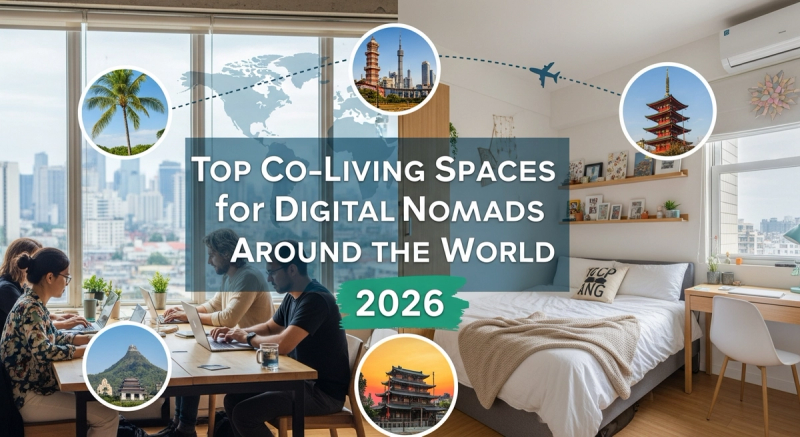
The rise of remote work has transformed travel from vacation into a lifestyle, and co-living spaces have emerged as the perfect solution for digital nomads seeking community, productivity, and adventure in 2026. These aren't just hostels or apartments—they're curated ecosystems designed for location-independent professionals. Whether you're a coder, writer, or entrepreneur, the best co-living spaces blend high-speed connectivity, vibrant social scenes, and prime locations to fuel both work and wanderlust. Let's explore the top destinations redefining nomadic life this year.
What Makes a Co-Living Space Nomad-Ready in 2026?
Today's digital nomads demand more than just Wi-Fi and a desk. Leading spaces now integrate these essentials:
- Blissful Connectivity: Gigabit fiber internet with backup systems, silent work pods, and virtual office solutions.
- Community Curated: Weekly workshops, skill-sharing sessions, and local excursions to foster meaningful connections.
- Wellness Focus: Yoga studios, meditation rooms, and partnerships with nearby gyms or retreats.
- Flexibility First: No-locker contracts, month-to-month stays, and global membership networks.
- Sustainability Edge: Solar power, zero-waste initiatives, and organic farm-to-table dining.
Global Hotspots: Top Co-Living Spaces in 2026
Europe: Where Tradition Meets Tech
Europe remains a nomad magnet with its rich culture and high-speed infrastructure. In Lisbon, Portugal, Liquid Lisbon dominates with its riverside campus featuring terraced gardens, a recording studio, and Portuguese language exchanges. Meanwhile, Berlin's House of Nomads offers 24/7 access to private studios and a hacker-culture vibe, perfect for tech innovators. For alpine inspiration, Switzerland's Mountain Hub combines coworking chalets with ski-in/ski-out access and mindfulness retreats.
Asia: Digital Oases in Tropical Paradises
Asia continues to blend affordability with exotic appeal. Bali's Outpost Canggu leads with its sprawling campus featuring petanque courts, infinity pools, and a "no-meeting Wednesdays" policy that encourages exploration. In Vietnam, Common Da Lat surprises with its coffee-culture workshops and on-site micro-roastery, while Chiang Mai's Rainforest Nomads integrates jungle treks with digital detox weekends. Japan's Hub Kyoto offers temple stays paired with AI-assisted productivity tools for a unique blend of tradition and innovation.
The Americas: From Urban Jungles to Beach Bliss
Latin America delivers vibrant energy with budget-friendly options. Mexico's Selina Tulum sets the standard with Mayan-inspired architecture, cenote access, and crypto payment options. In Argentina, BA Nomads hosts tango classes and asado BBQ nights in its Palermo district hub. For urban energy, Medellín's Selina Laureles features co-working pods with city views and Spanish immersion programs. On the Pacific coast, Costa Rica's Surf House pairs surf lessons with remote work retreats and sustainability hackathons.
Oceania & Beyond: Emerging Frontiers
Australia's Spaceworks Byron Bay leads with its surf-co-creation philosophy, offering morning yoga followed by ocean-inspired design sprints. Portugal's Azores islands now host Volcano Nomads, a geothermal-powered retreat with thermal pools and stargazing workshops. Even unexpected spots like Georgia's Tbilisi Hub are gaining traction with wine-tasting events and blockchain meetups.
Why Co-Living Spaces Outshine Traditional Stays
Beyond amenities, these spaces combat isolation—the digital nomad's biggest challenge. At Selina Bali, spontaneous rooftop jam sessions evolve into client collaborations. Meanwhile, House of Nomads Berlin members co-founded three startups last year through its founder matchmaking program. Community isn't just social; it's strategic. Many spaces also offer visa assistance, accounting support, and productivity workshops to maintain work-life balance.
Choosing Your 2026 Co-Living Home
With over 500+ global spaces now, align your choice with your workflow:
- Deep Workers: Prioritize soundproof pods (e.g., Liquid Lisbon's "Focus Zones") and quiet hours.
- Social Butterflies: Select party-friendly hubs like Common Da Lat with its weekly street food crawls.
- Family Nomads: Seek kid-friendly options like Outpost Ubud with its forest school.
- Budget Nomads: Explore membership tiers—Selina's "Nomad Pass" offers stays across 30+ countries.
Remember that location impacts focus too. Coastal spots boost creativity but may distract easily; urban hubs offer energy but require stronger boundaries. Consider intentional downtime rituals to avoid burnout, whether it's journaling at a local café or joining morning meditation sessions.
The Future of Co-Living
2026 brings exciting innovations: AI-curated roommate matching, blockchain-based booking systems, and "skill exchange" programs where designers trade webinars for coding help. Spaces like Mountain Hub already experiment with biometric workstations that adjust lighting based on focus levels. Expect more partnerships with airlines and co-working giants like WeWork, creating seamless nomad journeys from airport to desk.
As remote work evolves, co-living spaces are becoming more than just places to sleep—they're the new embassies for the global workforce. This year, whether you're chasing northern lights in Norway or street art in Buenos Aires, there's a community-ready space waiting to help you thrive.
Frequently Asked Questions
What's the average cost of co-living spaces in 2026?
Prices range widely: budget options in Southeast Asia start at $800/month (all-inclusive), while European hubs average $1,500-$2,500/month. Many spaces offer weekly or quarterly discounts.
Do co-living spaces offer long-term stays?
Absolutely! Most spaces encourage 3+ month stays with discounted rates and deeper community integration. Some, like Outpost, even provide visa support for extended stays.
How do I maintain productivity in co-living environments?
Utilize dedicated work hours, noise-canceling headphones, and structured routines. Many spaces offer "focus hours" with reduced social activities. Digital tools like habit-tracking apps can also help maintain discipline.
Are co-living spaces suitable for solo travelers?
Yes! They're ideal for solo nomads seeking community. Most organize daily group activities and have buddy systems. Many travelers report making lifelong friends within their first week.
What should I pack for a co-living stay?
Prioritize versatile tech: lightweight laptop, portable hotspot, and universal adapters. Bring noise-canceling gear and a favorite journal for offline reflection. Comfortable shoes are essential for both work and exploration.
Related Tags

About the Author
Freya O'Neill
freya-o-neill is a technology journalist specializing in artificial intelligence, software innovation, cybersecurity, and emerging digital trends. She enjoys explaining complex technologies in clear, accessible language for both professionals and everyday readers.
Enjoyed this article?
Check out more content on our blog or follow us on social media.
Browse more articles