Human-AI Creative Collaboration: The Future of Innovation

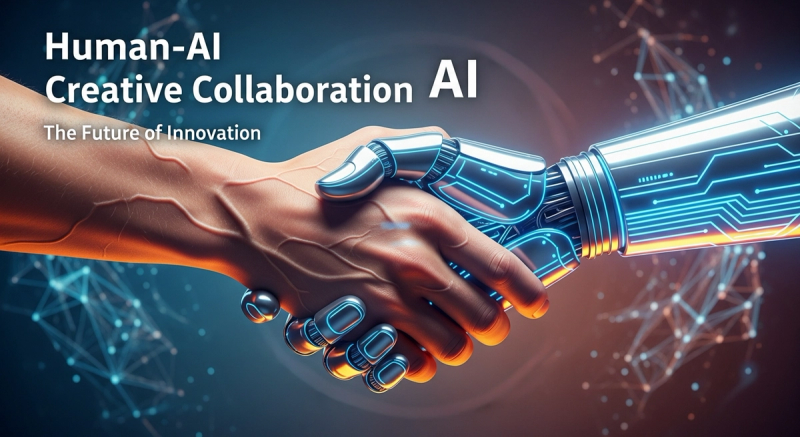
In the rapidly evolving landscape of 2026, one of the most transformative trends reshaping industries is the partnership between human creativity and artificial intelligence. Human-AI creative collaboration isn't just a buzzword—it's a dynamic process where human intuition, emotional depth, and contextual understanding merge with AI's computational power, pattern recognition, and rapid iteration capabilities. Together, they're pushing the boundaries of what's possible in art, music, design, marketing, and beyond. As we navigate this new frontier, understanding how to harness these tools effectively while preserving the irreplaceable spark of human ingenuity becomes crucial for anyone looking to thrive in the creative economy.
Understanding the Core Dynamics
At its heart, human-AI creative collaboration represents a symbiotic relationship where each partner brings unique strengths to the table. Humans provide contextual awareness, ethical judgment, and the ability to interpret emotional nuances—qualities that remain elusive even for today's advanced AI systems. Meanwhile, AI excels at processing vast datasets, generating multiple variations in seconds, and identifying patterns humans might overlook. This synergy is particularly evident in fields like project management, where AI handles logistical complexities while humans focus on strategic vision. The key lies in recognizing that AI isn't replacing human creativity but amplifying it, serving as a tireless collaborator that can handle repetitive tasks and free up creators for higher-level thinking.
Why This Partnership Matters
Unlocking Unprecedented Creative Potential
The most exciting aspect of human-AI collaboration is how it democratizes creativity. Previously, creating professional-grade art, music, or required years of training and expensive equipment. Today, accessible tools allow anyone with an idea to experiment. For instance, musicians can use AI to generate chord progressions, while writers can overcome writer's block through AI-powered brainstorming sessions. This isn't about shortcuts—it's about expanding the creative toolkit. As one digital artist put it: "AI doesn't steal my creativity; it hands me a palette with a million colors I never knew existed."
Supercharging Productivity and Innovation
Time constraints often kill promising projects before they can flourish. Human-AI collaboration dramatically accelerates workflows by automating tedious processes. Designers can generate dozens of logo variations in minutes, marketers can create personalized ad campaigns at scale, and filmmakers can visualize scenes without physical sets. This efficiency isn't just about doing things faster—it's about daring to explore bolder ideas. When you're not bogged down by execution, you can take creative risks that might otherwise seem impractical. This dynamic is already revolutionizing sectors like fintech, where AI-driven creative solutions are making financial services more engaging and accessible.
Navigating the Challenges
Despite its benefits, this collaboration isn't without hurdles. One major concern is the "black box" nature of some AI systems—where outputs are generated without transparent logic, making refinement difficult. There's also the risk of over-reliance, where creators might unconsciously mimic AI patterns rather than developing their unique voice. Ethical considerations around copyright and originality remain contentious, especially as generative AI becomes more sophisticated. These challenges aren't reasons to step back but rather call for developing new frameworks and best practices. Resources like ethical guardrails for AI self-improvement offer valuable guidance for navigating these complexities responsibly.
Real-World Applications Across Industries
Art and Design
In the visual arts, human-AI collaboration has birthed entirely new movements. Artists use tools like MidJourney and DALL-E 3 to generate concept art, which they then refine, combine, and elevate into finished pieces. This isn't just digital painting; it's a dialogue between human intent and machine interpretation. What's remarkable is how AI's ability to blend styles—from classical Renaissance to cyberpunk—helps artists explore cultural hybrids they might never have conceived alone. Some galleries now feature hybrid exhibitions where paintings coexist with the AI algorithms that inspired them, offering visitors a glimpse into the creative process.
Music and Audio Production
The music industry is undergoing a similar transformation. AI tools like Amper Music and AIVA help composers generate backing tracks, explore unconventional harmonies, and even simulate instruments that don't physically exist. Musicians often describe it as having an infinite bandmate who never gets tired or judgmental. This collaboration has led to experimental genres that blend electronic beats with traditional folk melodies, creating sounds that resonate across cultural divides. As one producer noted: "AI doesn't replace the soul in music; it helps us find new ways to express it."
Content Creation and Narrative
For writers and filmmakers, AI serves as a creative springboard. Screenwriters use AI to generate plot variations, dialogue options, and character arcs, while novelists experiment with narrative structures they might not have considered. What's particularly promising is how AI can analyze successful stories to identify patterns, helping creators understand what resonates with audiences without sacrificing originality. This doesn't produce formulaic content; it provides data-informed inspiration that creators can infuse with their unique perspective. In 2026, we're seeing more hybrid works where human authors collaborate with AI co-writers, blending human storytelling prowess with machine analytical depth.
Marketing and Brand Storytelling
Brands are leveraging human-AI collaboration to create hyper-personalized narratives that speak directly to individual consumers. AI analyzes customer data to identify emotional triggers and preferences, while human strategists craft compelling stories that resonate on a deeper level. This has transformed advertising from generic pitches to intimate conversations. One campaign might generate thousands of unique ad variations, each tailored to a specific viewer's past behavior and expressed interests. The result is marketing that feels less like advertising and more like genuine connection—a win for both brands and consumers.
Getting Started: Tools and Best Practices
Embarking on your own human-AI creative journey requires the right mindset and tools. First, familiarize yourself with platforms like Adobe Firefly for design, Suno for music, or Claude 4 for writing (which you can compare with other top models in our comprehensive model comparison). Start with small projects, treating AI as an assistant rather than a replacement. The most effective collaborations occur when humans set clear creative goals and use AI as a tool to explore possibilities within those boundaries.
Best practices include:
- Establish clear creative parameters before engaging with AI
- Iterate—generate multiple options and curate the best elements
- Always inject your unique perspective and emotional truth
- Stay updated on ethical guidelines and copyright considerations
- Balance automation with manual refinement to maintain authenticity
The Ethical Landscape and Future Outlook
As human-AI collaboration becomes more pervasive, ethical frameworks are evolving to address concerns about originality, bias, and attribution. The 2026 global policy initiatives on AGI ethics are beginning to establish clearer guidelines for creative partnerships. Meanwhile, creators are developing new attribution models that credit both human and AI contributions. Looking ahead, we can expect even more sophisticated collaborations as AGI developments continue. The most successful creatives won't be those who resist AI but those who master the art of partnership—using technology to amplify their human essence rather than replace it.
Conclusion
Human-AI creative collaboration represents not just a technological shift but a renaissance in how we approach innovation. By embracing this partnership, creators can transcend traditional limitations, explore new creative territories, and connect with audiences in deeper, more meaningful ways. The future belongs not to humans or AI alone, but to those who can harness the unique strengths of both. As we stand on this exciting frontier, one thing is clear: the most revolutionary art, music, and stories of our era will be born not from human hands or silicon minds alone, but from their extraordinary collaboration.
Is human-AI creative collaboration replacing human creativity?
No. Instead of replacing human creativity, AI serves as a powerful amplifier. It handles repetitive tasks, generates possibilities, and provides analytical insights, but the core elements of emotional depth, original intent, and contextual understanding remain uniquely human. The most successful collaborations occur when humans guide the creative direction while leveraging AI's computational strengths.
What tools are best for beginners in human-AI creative collaboration?
For beginners, user-friendly platforms like Canva's Magic Design for visuals, Suno for music, and Claude for writing are excellent starting points. These tools require minimal technical expertise while offering robust creative capabilities. Many creators also find value in exploring AI project management tools to organize their collaborative workflows effectively.
How can I maintain my unique creative voice when using AI?
Preserving your unique voice involves treating AI as a collaborator rather than an oracle. Always start with your own ideas and use AI to explore variations within your established style. Regularly review and refine AI-generated content through your personal lens, incorporating elements that resonate with your authentic vision. Remember that the most compelling hybrid work often comes from human curation of AI possibilities rather than blind acceptance of machine outputs.
Are there legal concerns with AI-generated creative content?
Yes, copyright and intellectual property rights remain complex in human-AI collaboration. Different jurisdictions have varying approaches to AI-generated works. Best practices include clearly documenting human contributions, understanding platform terms of service, and consulting legal resources specializing in digital creativity. The evolving global policy frameworks are gradually providing clearer guidance in this area.
Related Tags

About the Author
Freya O'Neill
freya-o-neill is a technology journalist specializing in artificial intelligence, software innovation, cybersecurity, and emerging digital trends. She enjoys explaining complex technologies in clear, accessible language for both professionals and everyday readers.
Enjoyed this article?
Check out more content on our blog or follow us on social media.
Browse more articles