Habit Anchoring: The Science-Backed Way to Build Routines That Stick in 2026

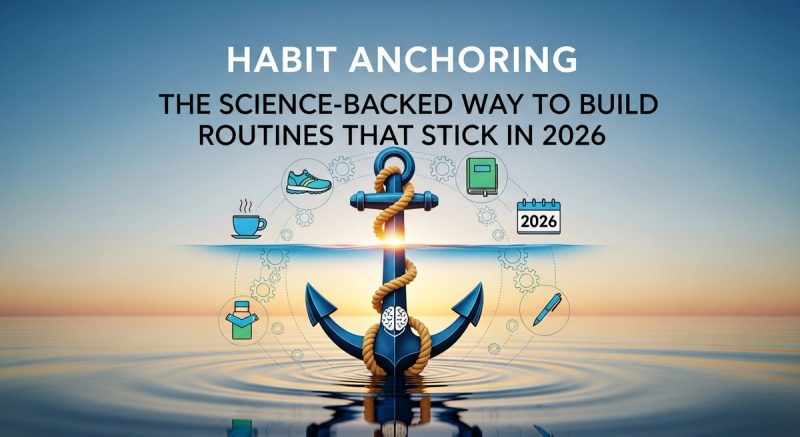
In a world where digital distractions and endless to-do lists constantly compete for our attention, building lasting habits has never felt more overwhelming. We’ve all been there: setting ambitious New Year’s resolutions only to abandon them by February. But what if there was a simpler, more reliable way to make routines stick? Enter habit anchoring—a science-backed method that leverages existing behaviors to effortlessly fold new habits into your daily life. By 2026, this technique is revolutionizing how we approach personal growth, making sustainable change feel less like a struggle and more like natural progress. Let’s explore how this strategy works and why it might be the missing piece to finally achieving your goals.
What Exactly Is Habit Anchoring?
Habit anchoring is the practice of linking a new behavior to an established routine—essentially "piggybacking" on existing neural pathways. Think of it as using a well-worn habit as a hook to hang a new one. For example, if you already brush your teeth every morning (your anchor), you could add flossing immediately afterward (the new habit). The brilliance lies in its simplicity: instead of relying on willpower or complex schedules, you’re hijacking an automatic behavior to trigger another. This approach taps into the brain’s craving for efficiency, reducing the mental friction that derails most habit attempts.
The Science Behind Why This Works
Research in behavioral psychology consistently shows that habits form through cues, routines, and rewards. When you anchor a new habit to an existing one, you’re stacking the cue and routine components. Studies from the University College London found that behaviors repeated consistently in the same context become automatic faster—often within 66 days. Habit anchoring accelerates this by embedding new routines into established neural "grooves." Neuroscientists call this "habit stacking," where each new behavior builds on the last. It’s why habits that actually stick often share this common thread: they’re anchored to something you already do without thinking.
Step-by-Step Implementation Guide
Ready to make habit anchoring work for you? Follow these research-backed steps:
- Identify Your Anchor Habit: Choose a behavior you already do daily and reliably—like drinking coffee, checking your phone, or walking the dog. It should be so automatic you barely notice doing it.
- Define Your New Habit: Keep it small and specific. Instead of "exercise more," try "do 10 squats after coffee." Tiny habits bypass the brain’s resistance to change.
- Connect Them Intentionally: Create a clear "after X, I will Y" statement. For instance, "After I open my work laptop, I will meditate for 1 minute." This verbalization strengthens the neurological link.
- Practice Consistently: Repeat the sequence for at least 21 days. Use a tracker or digital journaling app to log your progress. Consistency is more important than perfection.
- Reinforce the Loop: Add a small reward after the new habit—even if it’s just mental praise. This completes the habit loop (cue-routine-reward) solidifying the connection.
Real-World Examples That Deliver Results
Habit anchoring shines in everyday scenarios:
- Morning Routine: After brewing your morning tea (anchor), spend 5 minutes journaling. This journaling habit can then grow organically.
- Work Focus Boost: Before opening email (anchor), take 3 deep breaths. This primes your brain for deep work—these micro-habits compound into productivity gains.
- Digital Wellness: After putting your phone on silent at night (anchor), read one physical page of a book. This simple step combats digital overload without drastic measures.
Common Pitfalls and How to Avoid Them
Even with anchoring, missteps can derail progress:
- Skipping the "After X" Clarity: Vague connections ("I’ll exercise more") fail. Always specify the exact anchor and sequence.
- Overloading the Stack: Adding too many new habits at once overwhelms your brain. Start with one anchor-new habit pair for 30 days before expanding.
- Ignoring Context Cues: Anchors rely on context. If you move your coffee maker, your morning habit stack might need updating.
Why 2026 Is the Perfect Time for Habit Anchoring
Our modern lives are a battleground for attention. With AI notifications, social media algorithms, and remote work blurring boundaries, traditional habit methods often crumble under pressure. Habit anchoring wins because it respects human cognition—it doesn’t fight inertia; it uses it. As we prioritize intentional living in 2026, this approach aligns perfectly with doing less, but more effectively. It’s the science of minimal effort meeting maximum results.
Ultimately, habit anchoring isn’t about overnight transformation—it’s about strategic stacking. By linking small, meaningful actions to routines you already own, you’re not just building habits; you’re engineering a life where growth feels effortless. Start anchoring today, and by this time next year, you’ll look back amazed at how far you’ve come—no willpower required.
How long does it take for an anchored habit to stick?
Research shows it typically takes 18-254 days for a habit to become automatic, with most behaviors stabilizing around 66 days. Habit anchoring often accelerates this by 30-50% since it leverages existing neural pathways. Track your progress for at least 3 weeks to notice shifts.
Can I anchor multiple habits to one anchor?
Yes, but start with one new habit per anchor to avoid overload. Once your first anchored habit feels automatic (usually 30-60 days), you can add another. For example: After morning coffee → journal → stretch → plan your day.
What if I miss a day? Does it ruin the habit?
Missing a day isn’t catastrophic. The "never miss twice" rule applies: simply resume your sequence the next day. Consistency matters more than perfection. Occasional slips are normal—just return to your anchor as soon as possible.
Are certain anchors more effective than others?
High-frequency, fixed-time anchors work best. Morning routines, meals, and bedtime habits are ideal because they’re reliable. Avoid variable anchors like "when I feel stressed," as cues must be consistent to trigger automaticity.
Can habit anchoring help break bad habits?
Indirectly, yes. By replacing a bad habit’s routine with a positive anchored behavior, you create a healthier alternative. For example: Instead of snacking while watching TV (anchor), sip herbal tea while doing 2 minutes of stretching.
Related Tags

About the Author
Freya O'Neill
freya-o-neill is a technology journalist specializing in artificial intelligence, software innovation, cybersecurity, and emerging digital trends. She enjoys explaining complex technologies in clear, accessible language for both professionals and everyday readers.
Enjoyed this article?
Check out more content on our blog or follow us on social media.
Browse more articles