Emerging AI Design Technologies: Reshaping Creativity and Efficiency in 2026

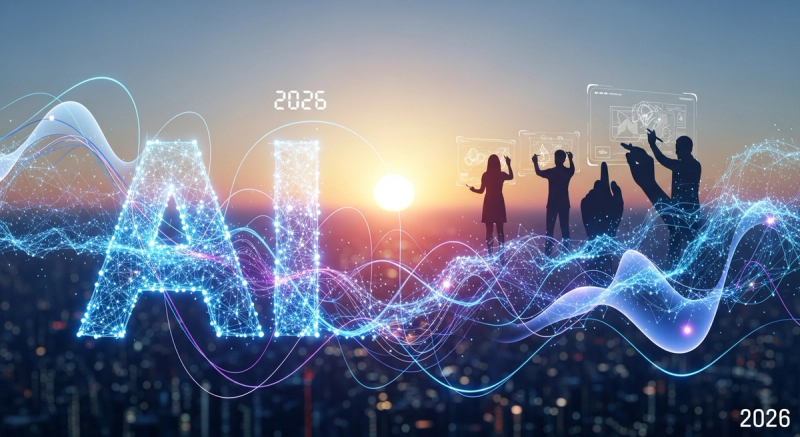
The design landscape is undergoing a seismic shift as emerging AI design technologies move from theoretical concepts to practical tools that are revolutionizing how we create. In 2026, these technologies aren't just automating tedious tasks—they're becoming creative partners that augment human imagination, streamline workflows, and push the boundaries of what's possible. From generative AI that produces stunning visuals to intelligent systems that anticipate user needs, the fusion of artificial intelligence and design is unlocking unprecedented levels of innovation. Let's explore how these cutting-edge technologies are transforming design practices across industries and what the future holds for this dynamic intersection of creativity and machine intelligence.
The Evolution of AI in Design
AI's journey in design began with rudimentary automation tools, but today's emerging AI design technologies represent a quantum leap forward. Early systems focused on rule-based optimization, but modern approaches leverage machine learning to understand context, learn from feedback, and generate solutions that feel intuitively human. This evolution has transformed AI from a simple assistant to a collaborative partner capable of understanding abstract concepts and emotional resonance—qualities once considered exclusively human.
From Pattern Recognition to Creative Generation
The breakthrough came when algorithms moved beyond analyzing existing patterns to generating entirely new ones. Emerging AI design technologies now include generative adversarial networks (GANs) that create photorealistic images, diffusion models that refine rough sketches into polished artwork, and neural networks that design user interfaces based on behavioral data. These systems can process vast datasets to identify design trends and preferences, then generate solutions tailored to specific brand voices or user demographics.
Democratizing Design Expertise
Perhaps the most profound impact of these technologies is their ability to democratize design expertise. Tools like AI-powered prototyping platforms enable non-designers to create professional-grade graphics, while adaptive learning interfaces guide beginners through complex design principles. This accessibility doesn't diminish the role of human designers; instead, it shifts their focus from execution to strategic direction, emotional curation, and ethical oversight—tasks where human judgment remains irreplaceable.
Key Emerging AI Design Technologies Making Waves in 2026
Several groundbreaking technologies are leading this revolution, each addressing different aspects of the design process. These tools aren't just incremental improvements—they represent fundamental shifts in how we approach creative problem-solving.
Generative Design Systems
Generative design algorithms now create multiple design variations based on specified parameters, from product geometries to architectural layouts. By simulating thousands of iterations in seconds, these systems optimize for factors like material efficiency, structural integrity, and aesthetics. In industrial design, this has led to the creation of organic, biomimetic shapes that would be impossible through manual drafting alone. The latest AGI developments suggest these systems will soon incorporate real-time environmental feedback, enabling adaptive designs that respond to changing conditions.
Intelligent UI/UX Optimization
User experience design has been transformed by AI that analyzes behavioral data to predict user interactions. Emerging technologies include heat-mapping algorithms that identify friction points, interface generators that create accessible layouts, and sentiment analysis tools that gauge emotional responses to designs. These systems continuously refine interfaces through A/B testing and user feedback loops, creating experiences that anticipate needs before users consciously recognize them. This has particular implications for fintech applications, where AI's disruption in financial services demands interfaces that build trust while simplifying complex transactions.
Personalized Visual Content Creation
AI-powered design tools now generate hyper-personalized visual content at scale. Marketing teams use these systems to create product variations for different demographics, while e-commerce platforms generate unique packaging designs for each customer. The technology combines style transfer techniques with generative models to maintain brand consistency while enabling infinite customization. This personalization extends to dynamic content that adapts to user preferences in real-time—from website layouts that reorganize based on browsing history to interactive presentations that modify data visualizations on the fly.
Ethical Design Frameworks
As these technologies gain influence, new safeguards have emerged to ensure responsible deployment. Ethical guardrails are being integrated into design AI to prevent bias, maintain transparency, and respect user privacy. These frameworks evaluate designs for accessibility, cultural sensitivity, and psychological impact before deployment. In 2026, leading platforms include built-in bias detection that flags potentially problematic design elements and suggests inclusive alternatives, reflecting broader ethical considerations in AI development.
Industry Transformations Driven by AI Design
The impact of emerging AI design technologies varies across sectors, but the common thread is the acceleration of innovation and the elevation of human roles to strategic positions.
Product and Industrial Design
In manufacturing, AI-driven generative design has shortened product development cycles from months to weeks. Systems like Autodesk's Dreamcatcher optimize components for weight, material usage, and manufacturing constraints while maintaining aesthetic appeal. This has enabled the creation of complex parts for aerospace, automotive, and medical devices that are lighter, stronger, and more efficient than traditionally designed alternatives. The technology's ability to simulate real-world conditions has also reduced prototyping costs and accelerated testing phases.
Architecture and Spatial Design
Architects now use AI to analyze environmental data and generate building designs that maximize natural light, minimize energy consumption, and integrate harmoniously with surrounding landscapes. These tools can simulate pedestrian flow, structural stress, and even acoustic properties, enabling data-driven design decisions. Emerging technologies include AI that creates responsive building facades that adapt to weather conditions and occupancy patterns, turning static structures into dynamic environments.
Fashion and Textile Innovation
The fashion industry has embraced AI for everything from trend forecasting to sustainable design. Generative algorithms create novel textile patterns based on cultural motifs and consumer preferences, while virtual try-on technology reduces waste by enabling accurate size recommendations. Some designers now collaborate with AI to create collections that evolve based on real-time feedback from digital showrooms, creating a continuous design-to-market pipeline that responds instantly to changing trends.
The Future Trajectory: Beyond 2026
Looking ahead, emerging AI design technologies are poised to become even more integrated and autonomous. Several key developments are shaping this future trajectory.
Recursive Self-Improvement Systems
The most significant advancement will be AI systems that can refine their own design processes. By analyzing which outputs perform best with users, these systems will continuously adapt their algorithms, learning to better understand aesthetic principles and emotional impact. Recursive self-improvement will enable design tools that evolve their creative capabilities without human intervention, potentially leading to novel design paradigms we haven't yet imagined.
Immersive Design Experiences
As AR/VR technologies mature, AI design will extend into three-dimensional spaces. Systems will generate entire virtual environments that users can modify through natural language commands or intuitive gestures. Imagine describing a "cozy mountain retreat" and having the AI create a fully immersive 3D space that you can walk through and adjust in real-time. This convergence of AI and spatial computing will transform everything from interior design to virtual event planning.
Neuro-Adaptive Interfaces
The next frontier involves interfaces that adapt to cognitive states. Emerging technologies include biosensors that monitor user engagement and stress levels, adjusting designs dynamically to maintain focus and reduce cognitive load. This has profound implications for educational materials, healthcare interfaces, and complex professional tools where optimal information presentation directly impacts performance and well-being.
Challenges and Considerations
Despite their promise, emerging AI design technologies present significant challenges that require careful navigation.
- Intellectual Property: Determining ownership of AI-generated content remains legally ambiguous in many jurisdictions.
- Authenticity Concerns: As AI-generated content becomes indistinguishable from human work, establishing provenance and verifying originality grows more complex.
- Skills Evolution: Designers must adapt to new workflows and develop skills in AI collaboration and oversight.
- Over-reliance Risks: Excessive dependence on AI may diminish human creative intuition and experimentation.
Addressing these challenges requires not just technological solutions but also updated ethical frameworks, legal standards, and educational approaches that ensure these powerful tools augment human creativity rather than diminish it.
The Human-AI Design Partnership
The most compelling aspect of emerging AI design technologies isn't their technical capabilities but how they're reshaping the creative process. Rather than replacing designers, these systems are becoming amplifiers of human potential. The most successful implementations treat AI as a creative partner that handles repetitive tasks and data-driven optimization while humans focus on strategic vision, emotional resonance, and ethical boundaries.
This partnership has already yielded remarkable results: AI systems that generate design concepts based on mood boards, tools that translate sketches into 3D models, and platforms that simulate user interactions across demographics. The future promises even deeper collaboration, where AI systems understand unspoken creative intentions and designers focus on the high-level storytelling and purposeful innovation that defines exceptional design.
As we navigate this transformation, the key lies in maintaining human agency at the center of the design process. When wielded thoughtfully, emerging AI design technologies aren't just changing how we create—they're expanding what's possible, democratizing access to powerful creative tools, and opening new frontiers of human expression.
The design revolution powered by AI isn't coming; it's already here, and its trajectory suggests a future where human creativity and artificial intelligence combine to solve problems we haven't yet identified in ways we can't yet fully comprehend.
Will AI replace human designers?
No, emerging AI design technologies are designed to augment human capabilities rather than replace them. These systems handle repetitive tasks, data analysis, and optimization, freeing designers to focus on strategic direction, emotional storytelling, and ethical oversight. The most successful collaborations treat AI as a creative partner that amplifies human intuition.
How do these technologies address ethical concerns?
Leading platforms now incorporate ethical frameworks that detect bias, ensure accessibility, and respect user privacy. Technologies like ethical guardrails evaluate designs for cultural sensitivity and psychological impact before deployment, while transparency tools help users understand how AI systems make design decisions.
Are these tools accessible to small businesses?
Yes, many emerging AI design technologies are democratizing design expertise through affordable, user-friendly platforms. Small businesses can leverage AI-powered design tools that require minimal technical expertise, enabling them to compete effectively with larger enterprises through professional-grade visual content and optimized user experiences.
How will these technologies evolve in the next decade?
Future developments will likely include neuro-adaptive interfaces that respond to cognitive states, immersive design experiences in AR/VR spaces, and systems capable of recursive self-improvement that refine their own creative algorithms. Advances in recursive AI will enable design tools that evolve their capabilities continuously, potentially leading to novel creative paradigms.
What skills should designers develop for this new era?
Designers should focus on developing skills in AI collaboration, strategic oversight, and emotional curation. Understanding how to prompt AI systems effectively, interpret generative outputs, and maintain creative vision while leveraging AI optimization will be crucial. Additionally, expertise in ethics and bias mitigation will become increasingly valuable as these technologies become more integrated into design workflows.
Related Tags

About the Author
Freya O'Neill
freya-o-neill is a technology journalist specializing in artificial intelligence, software innovation, cybersecurity, and emerging digital trends. She enjoys explaining complex technologies in clear, accessible language for both professionals and everyday readers.
Enjoyed this article?
Check out more content on our blog or follow us on social media.
Browse more articles