Common Sleep Disorder Treatments That Actually Work in 2026

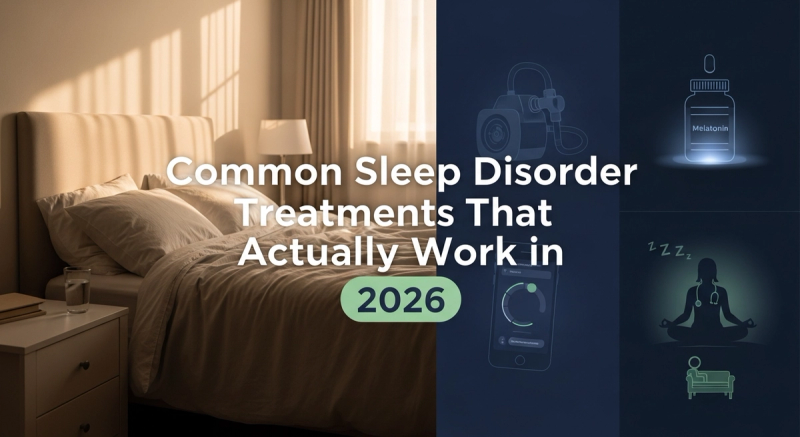
A good night’s sleep is the unsung hero of modern life—essential for mental clarity, physical health, and emotional resilience. Yet, millions of people worldwide grapple with sleep disorders that turn bedtime into a battleground. The good news? Sleep science has made leaps in 2026, offering treatments that are more effective, personalized, and accessible than ever before. Whether you’re battling insomnia, sleep apnea, or restless leg syndrome, this guide explores the most innovative and evidence-based solutions hitting the market. We’ll also touch on how lifestyle adjustments—like digital detox techniques and mindful journaling—can complement professional treatments to help you reclaim your rest.
Understanding Sleep Disorders: The 2026 Landscape
Sleep disorders aren’t just about feeling tired; they’re serious medical conditions linked to chronic diseases like heart disease, diabetes, and depression. In 2026, healthcare providers are moving beyond one-size-fits-all approaches. Instead, they’re integrating advanced diagnostics (like at-home sleep monitoring) and personalized treatment plans. The focus has shifted from symptom management to addressing root causes—whether it’s hormonal imbalances, neurological triggers, or lifestyle habits. This holistic view means patients now have access to treatments that work with their biology, not against it.
Why Traditional Treatments Still Matter
While innovation is exciting, time-tested treatments remain cornerstones of sleep therapy. Cognitive Behavioral Therapy for Insomnia (CBT-I), for instance, continues to be the gold standard for chronic insomnia. This non-drug approach helps patients rewire negative thought patterns and behaviors around sleep. Studies show CBT-I works for 70–80% of insomnia sufferers, with effects lasting long after treatment ends. Similarly, Continuous Positive Airway Pressure (CPAP) devices remain the frontline treatment for obstructive sleep apnea, especially with new 2026 models featuring quieter operation and AI-driven pressure adjustments.
Game-Changing Innovations in Sleep Treatment
2026 has brought a wave of breakthroughs that make sleep therapy smarter and more user-friendly. Here’s what’s leading the pack:
Personalized Digital Therapeutics
Forget generic sleep apps. Today’s digital therapeutics use AI to analyze your unique sleep architecture and deliver tailored interventions. For example, apps like “SomnusAI” combine biofeedback (tracking heart rate variability, movement) with real-time coaching to adjust your environment or bedtime routine. These tools often integrate with digital journaling apps, letting you log sleep patterns and mood to identify hidden triggers.
Advanced Wearable Technology
Wearables are no longer just for counting steps. 2026’s smart rings and watches use advanced sensors to detect subtle sleep disruptions—like breathing irregularities or temperature fluctuations—that older tech missed. Brands like Oura and Whoop now offer clinical-grade accuracy and sync with healthcare platforms, allowing doctors to monitor your progress remotely. For those with restless leg syndrome, some devices even deliver micro-vibrations to calm limb movements without medication.
Pharmacology Breakthroughs
New sleep medications are hitting the market with fewer side effects. Dual orexin receptor antagonists (DORAs), for instance, target the brain’s wakefulness pathways without the grogginess of older sedatives. For sleep apnea patients, nasal sprays that stimulate throat muscles (instead of bulky masks) are in late-stage trials. Always consult a doctor, but these options offer hope for those who can’t tolerate traditional treatments.
Lifestyle Adjustments That Supercharge Sleep
Even the best medical treatments work best when paired with healthy habits. In 2026, sleep specialists emphasize sleep hygiene more than ever—but with modern twists:
- Digital Sunlight Sync: Expose yourself to natural light within an hour of waking to reset your circadian rhythm. At night, use blue-light filters on devices to avoid suppressing melatonin.
- Journaling for Sleep: Journaling before bed helps process stress and worries. Try a “brain dump” where you write down everything on your mind—studies show it can reduce sleep latency by 15–20 minutes.
- Temperature Control: Your bedroom should be 60–67°F (15–19°C). Smart thermostats like Google Nest now learn your sleep patterns to automatically adjust temps.
For chronic stress, practices like slowing down during the day can indirectly improve sleep quality. When you’re less overwhelmed mentally, your body is more primed for rest.
When to Seek Professional Help
While lifestyle changes help, some disorders require medical intervention. See a sleep specialist if:
- You snore loudly and gasp for air (signs of sleep apnea).
- Insomnia persists for more than 3 months.
- You experience excessive daytime sleepiness that affects work or safety.
In 2026, tele-sleep medicine makes this easier than ever. Virtual consultations with board-certified sleep specialists are covered by most insurance plans, and at-home sleep tests are widely available.
The Future of Sleep Therapy
Emerging treatments hint at even more revolutionary changes. Clinical trials for transcranial magnetic stimulation (TMS) show promise for resetting sleep cycles in shift workers. Meanwhile, research into gut-brain connections reveals how probiotics and prebiotics might influence sleep quality. While these aren’t mainstream yet, they underscore a key 2026 trend: sleep health is viewed as part of whole-body wellness.
For lasting results, combine medical guidance with mindful habits. Start small: try building one sleep-friendly habit at a time, like journaling or a 10-minute pre-bed wind-down routine. Consistency beats perfection.
What’s the most effective treatment for chronic insomnia?
Cognitive Behavioral Therapy for Insomnia (CBT-I) is the top recommendation. It addresses the root causes of insomnia without medication and has long-term success rates. In 2026, digital CBT-I programs (like Sleepio) offer affordable, accessible options with clinician support.
Can technology really help with sleep disorders?
Absolutely. Wearables and apps provide actionable data, while smart devices (like adaptive CPAPs) deliver personalized therapy. However, tech works best when paired with professional guidance—use it as a tool, not a replacement for medical advice.
Are sleep medications safe long-term?
Most prescription sleep meds are intended for short-term use. Newer medications (like DORAs) have lower dependency risks, but always discuss duration and side effects with your doctor. Lifestyle changes and CBT-I are often safer for chronic issues.
How does journaling improve sleep?
Journaling reduces bedtime anxiety by offloading mental clutter. Gratitude journaling, in particular, promotes relaxation. It also helps track patterns—like caffeine intake or screen time—that disrupt sleep.
What’s the biggest myth about sleep disorders?
That “everyone needs 8 hours” or that insomnia is “just stress-related.” Sleep needs vary, and disorders often have biological causes. Normalizing professional help is key—treatment isn’t weakness; it’s science-backed self-care.
Related Tags

About the Author
Freya O'Neill
freya-o-neill is a technology journalist specializing in artificial intelligence, software innovation, cybersecurity, and emerging digital trends. She enjoys explaining complex technologies in clear, accessible language for both professionals and everyday readers.
Enjoyed this article?
Check out more content on our blog or follow us on social media.
Browse more articles