Body Scan Meditation for Beginners: Reduce Stress in 10 Minutes (2026 Guide)

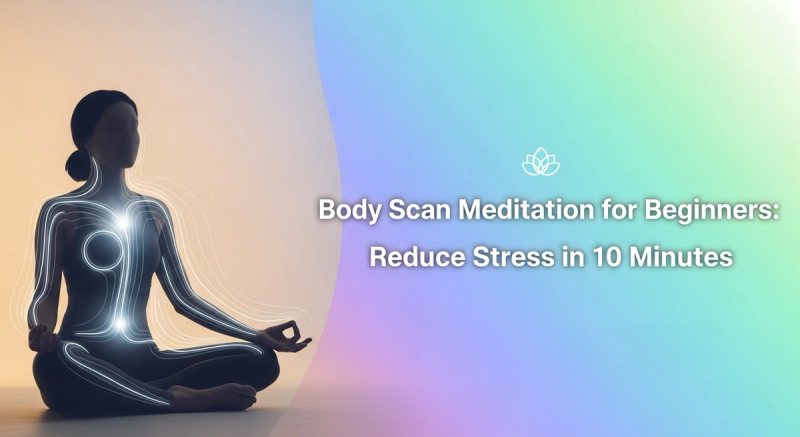
In today’s hyper-connected world, stress has become an unavoidable companion. Between endless notifications, work deadlines, and the constant pressure to "do more," our bodies often bear the brunt of our mental overload. Enter body scan meditation—a simple yet powerful mindfulness technique that can anchor you to the present moment and dissolve tension in just 10 minutes. This 2026 guide demystifies this practice for absolute beginners, proving you don’t need hours of retreats or specialized equipment to reclaim your calm. Whether you’re overwhelmed by daily chaos or just seeking a moment of peace, body scan meditation offers a practical toolkit to reconnect with your physical self and quiet the mental noise.
What is Body Scan Meditation?
Body scan meditation is a form of mindfulness practice that involves systematically directing your attention through different parts of your body, from head to toe (or vice versa). Unlike traditional meditation, which focuses solely on the breath, this technique encourages you to observe physical sensations—warmth, tingling, pressure, or even numbness—without judgment. It’s not about "fixing" anything but rather cultivating awareness of how stress manifests physically. Developed as part of Mindfulness-Based Stress Reduction (MBSR) programs in the 1970s, it’s now backed by science as a potent antidote to anxiety and burnout.
Why Body Scan Meditation Works for Stress Relief
When stress takes hold, it often triggers a "fight-or-flight" response, tightening muscles and flooding your system with cortisol. Body scan meditation interrupts this cycle by activating your parasympathetic nervous system—the body’s "rest and digest" mode. Research shows that just 10 minutes of daily practice can lower blood pressure, reduce inflammation, and improve emotional regulation. By tuning into physical sensations, you also create mental space between yourself and stressors, allowing you to respond to challenges with clarity rather than reactivity. This makes it an ideal tool for beginners who struggle with sitting still or quieting racing thoughts.
How to Practice Body Scan Meditation: A 10-Minute Beginner’s Guide
Ready to try it? Follow this step-by-step guide to experience the benefits immediately. No prior experience needed—just a willingness to pause and observe.
Step 1: Prepare Your Space
Find a quiet spot where you won’t be disturbed for 10 minutes. Lie down comfortably on your back with your arms relaxed at your sides and legs slightly apart. If lying down isn’t possible, sit upright in a chair with your feet flat on the floor. Cover yourself with a blanket if you tend to get chilly, as body temperature can drop during relaxation.
Step 2: Set a Gentle Intention
Close your eyes and take three deep breaths. Inhale through your nose, allowing your belly to rise, and exhale slowly through your mouth. Silently set an intention for your practice, such as "I will be kind to my body" or "I will release tension without force." This primes your mind for a non-judgmental experience.
Step 3: Begin with Your Toes
Bring your awareness to the tips of your toes. Notice any sensations—are they warm, cool, tingly, or numb? Don’t analyze or label them; simply observe. If you feel tension, imagine exhaling into that area, softening it with each breath. Spend 30-60 seconds here, then slowly move your attention upward to the soles of your feet, arches, and heels.
Step 4: Scan Your Legs and Hips
Continue scanning your body section by section: calves, knees, thighs, and hips. Notice where stress accumulates—perhaps your thighs feel tight or your hips restless. Acknowledge these sensations with curiosity, not criticism. If your mind wanders (and it will!), gently guide it back without frustration. This return to focus is where real mindfulness happens.
Step 5: Move Through Your Torso and Arms
Shift to your abdomen, lower back, chest, and shoulders. Many people store stress in the shoulders, so pay extra attention here. Release any clenched muscles with an exhale. Then, scan your arms: fingers, palms, elbows, and shoulders again. Notice the contrast between tense and relaxed areas.
Step 6: Finish with Your Head and Neck
Finally, bring awareness to your neck, jaw, face, and scalp. Unclench your jaw if it’s tight, soften your brow, and relax the muscles around your eyes. Complete the scan by observing your entire body as a whole. How does it feel now? Lighter? Warmer? More at ease?
Step 7: Gradually Return to Awareness
Take three deep breaths, wiggle your fingers and toes, and when you’re ready, slowly open your eyes. Take a moment to savor the calm before resuming your day. Even a brief session can reset your nervous system, making it easier to tackle challenges with a clearer mind.
Tips to Make Body Scan Meditation a Habit
Consistency trumps duration when it comes to mindfulness. Here’s how to weave body scan meditation into your routine:
- Schedule it: Treat it like an appointment—try it first thing in the morning to set a calm tone for the day or before bed to improve sleep quality. Pair it with existing habits, like brushing your teeth, to build momentum.
- Start small: Begin with 5 minutes and gradually increase to 10. Shorter sessions are more sustainable for beginners and reduce the risk of burnout.
- Use guided meditations: Apps or audio tracks can provide structure, especially when starting. Just search for "body scan meditation for beginners" on your preferred platform.
- Track your progress: Use a journal to note how you feel before and after practice. This reinforces motivation and highlights subtle benefits over time. For digital tracking, explore 2026’s best digital journaling apps.
Overcoming Common Challenges
Even with the best intentions, obstacles can arise. Here’s how to navigate them:
- Falling asleep: If drowsiness creeps in, try sitting up instead of lying down or practicing after a shower when you’re more alert.
- Mind wandering: Distraction is normal! Each time you notice your thoughts drifting, acknowledge it ("Ah, thinking") and gently return to your body. This act of refocusing builds mental strength.
- Physical discomfort: Adjust your position slightly if needed, but avoid fidgeting excessively. The goal is to observe discomfort without reacting to it.
- Feeling "nothing":strong> Some sessions may seem uneventful, and that’s okay. The benefits accumulate over time, even if they’re not immediately obvious.
Integrate Mindfulness Beyond the Mat
Body scan meditation is a gateway to deeper mindfulness. Try extending this awareness into daily life by:
- Pausing for a 1-minute body scan before meetings or meals to center yourself.
- Combining it with a digital detox to reduce tech-induced stress.
- Pairing it with slowing down practices to savor mundane tasks like washing dishes or walking.
The Science Behind Body Scan Meditation
Studies confirm that body scan meditation rewires your brain for resilience. A 2023 Harvard study found that just 8 weeks of practice reduced cortisol levels by 30% and increased gray matter in areas associated with emotional regulation. Another in the *Journal of Alternative and Complementary Medicine* linked it to decreased symptoms of anxiety and depression. These changes occur because mindfulness neuroplasticity—your brain’s ability to reorganize itself—strengthens pathways for calm and weakens those for stress.
Conclusion: Your 10-Minute Path to Peace
In a world that glorifies busyness, body scan meditation is a revolutionary act of self-care. It requires no special skills or equipment—just your body, 10 minutes, and a willingness to be present. By regularly tuning into physical sensations, you’ll not only alleviate stress but also foster a deeper relationship with yourself. Remember, consistency is key: even one session can shift your perspective, and daily practice can transform your response to life’s challenges. Start today, and discover how a few mindful minutes can ripple into a calmer, more centered you.
What is body scan meditation?
Body scan meditation is a mindfulness practice where you systematically focus attention on different parts of your body to observe sensations without judgment. It helps release physical tension and mental stress by grounding you in the present moment.
How long does a body scan meditation take?
For beginners, 10 minutes is ideal. However, sessions can range from 5 to 45 minutes depending on your schedule and experience level. Shorter daily sessions are more effective than occasional longer ones.
Can body scan meditation help with anxiety?
Yes. Research shows it reduces anxiety by lowering cortisol, activating the relaxation response, and interrupting rumination cycles. It’s often used in therapy for generalized anxiety disorder and panic attacks.
Do I need any equipment for body scan meditation?
No special equipment is required. All you need is a quiet space, comfortable clothing, and a place to sit or lie down. Optional tools include guided meditation apps or a timer.
How often should I practice body scan meditation?
Daily practice is recommended for lasting benefits, but even 3-5 times weekly can make a significant difference. Consistency matters more than duration, so aim for regular short sessions over sporadic long ones.
Related Tags

About the Author
Freya O'Neill
freya-o-neill is a technology journalist specializing in artificial intelligence, software innovation, cybersecurity, and emerging digital trends. She enjoys explaining complex technologies in clear, accessible language for both professionals and everyday readers.
Enjoyed this article?
Check out more content on our blog or follow us on social media.
Browse more articles