Best Foods and Supplements for Mental Health and Anxiety Reduction 2026

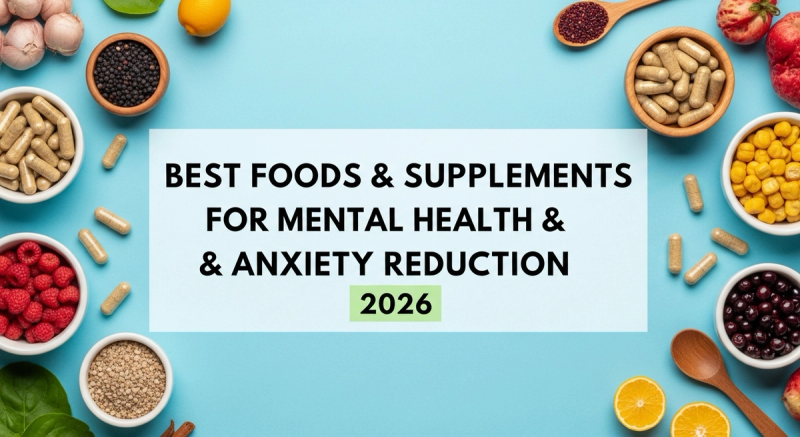
In today's fast-paced world, anxiety and mental health challenges are more prevalent than ever. As we navigate 2026, the connection between nutrition and mental well-being has taken center stage, with scientific research increasingly validating how our dietary choices directly influence brain chemistry, mood stability, and stress resilience. This comprehensive guide explores the most effective foods and supplements backed by modern science to support mental health and reduce anxiety, helping you build a foundation for lasting emotional balance.
The Gut-Brain Revolution: Understanding the Food-Mental Health Link
What if the secret to a calmer mind started on your dinner plate? Emerging science reveals that our gut and brain are in constant communication through the gut-brain axis—a complex network of neurons, hormones, and biochemical pathways. An estimated 90% of serotonin (our "feel-good" neurotransmitter) is produced in the gut, making digestive health inseparable from mental health. When we nourish our gut microbiome with the right foods, we're essentially feeding our brain the tools it needs to regulate mood, reduce inflammation, and combat stress responses.
This holistic approach recognizes that mental wellness isn't achieved through medication alone but requires nurturing our entire ecosystem. In 2026, this understanding has transformed nutritional psychiatry from a niche field to mainstream preventative care, offering practical, accessible strategies for anxiety reduction.
Top Foods for Mental Wellness in 2026
Fatty Fish: Omega-3 Powerhouses
Salmon, mackerel, and sardines aren't just delicious—they're brain superstars. Rich in EPA and DHA omega-3 fatty acids, these fish reduce inflammation in brain cells, enhance neurotransmitter function, and have been shown to decrease anxiety symptoms by up to 20% in clinical studies. Aim for two servings weekly, or consider an algae-based supplement if you follow a plant-based diet. The American Psychiatric Association now recommends omega-3s as an adjunct therapy for depression and anxiety disorders.
Fermented Foods: Probiotic Powerhouses
Your gut microbiome thrives on diversity, and fermented foods deliver beneficial bacteria that produce mood-regulating compounds. Kimchi, sauerkraut, kefir, and yogurt introduce probiotics that increase GABA production—a neurotransmitter that calms nervous system activity. Recent studies show that regular consumption can reduce cortisol (the stress hormone) levels by up to 15%. For beginners, start with a small spoonful of kimchi daily to gradually introduce gut-friendly bacteria.
Dark Chocolate: More Than a Treat
That daily chocolate habit might be doing your mind favors. High-cacao (70% or more) dark chocolate contains flavonoids that boost blood flow to the brain and magnesium that regulates stress response. A 2026 meta-analysis confirmed that regular consumption correlates with lower depression scores. Limit yourself to one square daily to enjoy benefits without excess sugar.
Leafy Greens: Nature's Multivitamin
Spinach, kale, and Swiss chard pack folate, magnesium, and antioxidants that protect brain cells from oxidative stress. Folate helps produce neurotransmitters like dopamine and serotonin, while magnesium acts as a natural relaxant by binding to GABA receptors. A study in "JAMA Psychiatry" found that adults with the highest vegetable intake had a 34% lower risk of developing anxiety disorders.
Walnuts: Brain-Shaped for a Reason
These wrinkled nuts are one of the few plant sources of omega-3s, plus they contain melatonin, vitamin E, and polyphenols that cross the blood-brain barrier. Research links walnut consumption to improved cognitive performance and lower anxiety scores. Just a quarter daily provides significant neuroprotective benefits.
Supplements That Support Mental Health in 2026
Vitamin D: The Sunshine Vitamin
Deficiency in this essential nutrient is linked to depression and anxiety in over 1 billion people worldwide. Vitamin D receptors遍布于大脑 areas regulating mood. Most adults should supplement 1,000-2,000 IU daily, especially in winter months or for those with limited sun exposure. Recent guidelines suggest pairing vitamin D with vitamin K2 for enhanced absorption and bone health benefits.
Magnesium Glycinate: The Natural Chill Pill
Often called "nature's valium," magnesium glycinate combines magnesium with glycine to enhance bioavailability. It regulates the HPA axis (our stress response system) and increases GABA production. Clinical trials show significant anxiety reduction with 200-400mg daily, particularly in those with deficiency symptoms like muscle tension and sleep issues.
Ashwagandha: The Adaptogen Ally
This ancient herb has surged in popularity as a cortisol balancer. Studies show it reduces perceived stress by up to 30% and improves sleep quality when standardized for withanolides. Look for KSM-66 or Sensoril extracts, which have the most robust research backing. Take 300-500mg daily, preferably with breakfast or lunch to avoid disrupting sleep.
L-Theanine: Amino Acid Calm
Found in green tea, L-theanine crosses the blood-brain barrier to increase alpha brain waves associated with relaxed alertness. It works synergistically with caffeine to improve focus without jitters, making it ideal for daytime anxiety. A standard dose is 100-200mg, taken 30-60 minutes before stressful events or work deadlines.
Probiotics: Targeted Strains for Mood
While fermented foods help, targeted probiotic strains offer more potent benefits. Look for formulations containing *Lactobacillus helveticus* R0052 and *Bifidobacterium longum* R0175, which have demonstrated anxiety reduction in human trials. These strains produce neurotransmitters like GABA and serotonin directly in the gut. For best results, take on an empty stomach with water.
Creating Your Anxiety-Busting Plate
Transforming your diet for mental health doesn't require perfection—it's about consistency and balance. Try this sample daily meal structure:
- Breakfast: Greek yogurt with berries, walnuts, and a sprinkle of pumpkin seeds
- Lunch: Large spinach salad with salmon, sweet potatoes, and kimchi
- Dinner: Lentil soup with whole-grain bread and a side of roasted asparagus
- Snacks: Dark chocolate squares, an apple with almond butter, or a handful of almonds
Focus on whole foods while limiting processed items, sugar, and excessive caffeine—all of which can exacerbate anxiety. Remember that hydration is equally crucial; even mild dehydration can impair mood and cognitive function.
Integrating Nutrition with Lifestyle Practices
While food and supplements form a powerful foundation, they work best when combined with other wellness practices. Consider adopting a slower pace of life to reduce chronic stress, or start journaling to process anxious thoughts. For tech-related anxiety, a digital detox can create space for mindful eating and mental recovery. Building consistent habits around nutrition and self-care creates sustainable change.
Conclusion
As we advance through 2026, the evidence is clear: what we eat directly shapes how we think and feel. By incorporating omega-3 rich fish, fermented foods, mood-boosting supplements, and stress-reduction practices, you're not just nourishing your body—you're cultivating resilience against anxiety. Remember that small, consistent changes often yield the most profound results. Start with one or two dietary adjustments this week, observe how your mood shifts, and gradually expand your mental wellness toolkit. Your brain will thank you for every nutrient-rich choice you make.
Frequently Asked Questions
How quickly can I expect to see improvements in my anxiety from dietary changes?
Many people notice subtle mood shifts within 2-4 weeks of consistent dietary improvements, such as reduced afternoon fatigue or calmer mornings. Noticeable anxiety reduction typically takes 6-12 weeks as gut microbiomes balance and inflammation decreases. Supplements like magnesium may offer quicker effects within days for some individuals.
Are there any foods I should avoid for better mental health?
Limit ultra-processed foods, high-sugar items, and excessive alcohol, which can destabilize blood sugar and disrupt gut bacteria. Artificial sweeteners, particularly aspartame, may worsen mood in sensitive individuals. Caffeine tolerance varies—some experience anxiety with more than one cup daily, while others tolerate moderate amounts. Experiment to find your personal threshold.
Can supplements replace therapy for anxiety disorders?
Supplements should complement, not replace, professional treatment. For mild anxiety, nutritional approaches may suffice. For moderate to severe disorders, combine supplements with therapy and/or medication under medical supervision. Always consult your healthcare provider before starting new supplements, especially if taking medications or managing health conditions.
Is it better to get nutrients from food or supplements?
Whole foods provide synergistic nutrients and fiber that supplements can't replicate. Prioritize food sources as much as possible—like eating fatty fish instead of just taking fish oil pills. However, supplements fill gaps when dietary sources are insufficient or needs are increased due to stress, deficiency, or genetic factors. A combined approach is ideal.
What's the best way to track how nutrition affects my mental health?
Start a mental health journal to log meals, supplements, mood, and energy levels daily. Note patterns like anxiety spikes after specific foods or improvements when taking certain supplements. Apps that track both nutrition and mood can reveal connections. Digital tools like Reflectly or Journey make this easier with customizable templates.
Related Tags

About the Author
Ethan Jackson
Ethan Jackson is a travel and energy writer covering sustainable tourism, renewable energy, outdoor destinations, and global environmental developments. He explores how innovation and responsible travel are shaping a more sustainable future.
Enjoyed this article?
Check out more content on our blog or follow us on social media.
Browse more articles