10 Essential Tips for Traveling With Pets to the Tropics (Heat, Humidity & Safety)

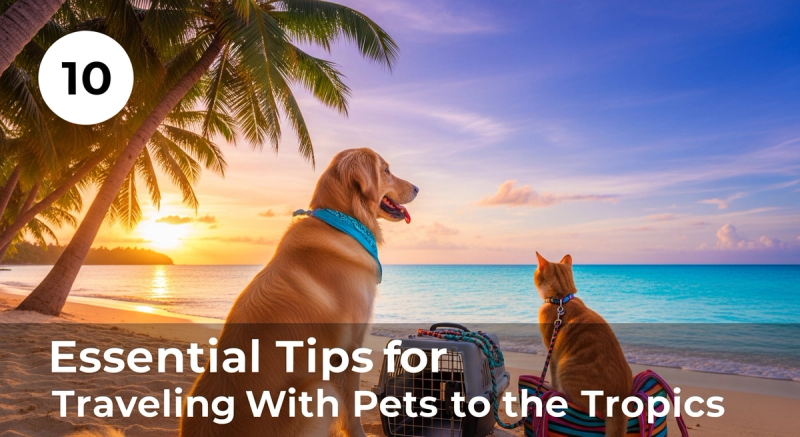
Traveling to tropical destinations with your furry companion can be an adventure of a lifetime, but the sweltering heat and humidity pose unique challenges. Unlike temperate climates, tropical environments demand extra precautions to ensure your pet stays safe, comfortable, and healthy. Whether you're exploring hidden travel gems in Southeast Asia or relaxing at a resort, these 10 essential tips will help you navigate tropical conditions while prioritizing your pet's well-being. From hydration hacks to parasite prevention, we’ll cover everything you need for a worry-free journey.
1. Research Your Destination's Pet Policies
Before booking flights or accommodations, verify each destination’s pet regulations. Tropical hotspots like Bali or the Maldives have varying rules for dogs, cats, and exotic pets. Many islands require quarantine periods or specific vaccinations. Additionally, pet-friendly beachfront resorts in tropical paradises often have leash policies or restricted zones. Check for local wildlife concerns—places like Hawaii may prohibit certain species to protect ecosystems. Thorough research prevents last-minute surprises and ensures compliance with laws protecting both animals and habitats.
2. Schedule a Pre-Travel Vet Checkup
Consult your veterinarian at least 4–6 weeks before departure. Tropics amplify risks like heatstroke, parasites, and tropical diseases. Ensure your pet is up-to-date on vaccines, especially for rabies and leptospirosis. Discuss parasite prevention (fleas, ticks, heartworm) and request a health certificate for travel. For long-haul flights, your vet might recommend sedatives or anti-anxiety medication. Remember, pets with brachycephalic (short-nosed) breeds, like pugs or Persian cats, are extra vulnerable to heat—your vet can assess their suitability for tropical climates.
3. Pack a Pet-Specific First-Aid Kit
Tropical environments introduce new hazards like venomous snakes, toxic plants, and coral cuts. A well-stocked first-aid kit is non-negotiable. Include:
- Pet-safe antiseptics (e.g., chlorhexidine)
- Bandages and gauze
- Tweezers for tick removal
- Hydrocortisone cream for insect bites
- Electrolyte supplements for dehydration
- Activated charcoal for accidental poison ingestion
4. Prioritize Hydration and Cooling Strategies
Humidity reduces evaporation, making pets overheat faster. Carry collapsible bowls and refill them hourly with fresh water. Freeze treats like ice cubes with pet-safe broth (no salt or onions) to encourage hydration. Cooling vests or mats can help, but test them first—some pets find them uncomfortable. Never leave your pet in a car, even with cracked windows; interior temperatures can soar to fatal levels in minutes. For hiking, plan walks during early mornings or evenings when temperatures are cooler.
5. Protect Against Parasites and Vector-Borne Diseases
Tropical regions thrive with mosquitoes, ticks, and sandflies carrying diseases like dengue, heartworm, or leishmaniasis. Use vet-recommended preventatives year-round. Avoid stagnant water and tall grass where pests lurk. After beach outings, rinse saltwater off your pet’s coat—salt can dry skin and attract insects. In coastal areas, ensure your pet doesn’t ingest sand or toxic algae. Monthly preventatives like Simparica Trio offer broad-spectrum protection, but confirm dosage with your vet.
6. Choose Climate-Appropriate Accommodations
Not all pet-friendly tropical stays are equal. Opt for accommodations with air conditioning, shaded patios, or pools (if your pet enjoys swimming). Beachfront villas might seem ideal, but direct sun exposure can be dangerous. Look for properties with pet-friendly amenities like elevated beds, cooling tiles, or access to shaded gardens. Verify if they have emergency vet contacts nearby. For budget options, cost-effective stays in tropical locales might lack AC, so prioritize climate control over luxury.
7. Travel Safely in Transit
Whether flying or driving, secure your pet properly. In cars, use crash-tested harnesses or ventilated carriers to prevent heat buildup. For air travel, choose direct flights and book early—cargo holds can become dangerously hot. Tropical airports may experience lengthy delays; carry cooling pads and damp towels. Acclimate your pet to the carrier weeks in advance with short practice sessions. Pack familiar bedding to reduce stress, and never sedicate pets for travel—it impairs their ability to regulate body temperature.
8. Beware of Local Hazards and Wildlife
Tropical ecosystems host unique dangers. Monitor your pet near volcanic sands or black beaches, as heat-retaining surfaces can burn paws. In jungles, watch for venomous creatures like scorpions or spiders. Avoid areas with poisonous plants like oleander or sago palms. In coastal regions, prevent your pet from ingesting fish bones or coral, which can cause internal injuries. Always keep pets leashed in unfamiliar terrain to deter confrontations with local wildlife or stray animals.
9. Maintain a Consistent Routine
Changes in routine stress pets, exacerbating heat sensitivity. Stick to regular feeding times and walks. Use minimalist packing strategies for essentials like food, treats, and waste bags to avoid disorganization. Bring familiar toys or blankets to provide comfort. In humid climates, bathe pets more frequently to prevent skin infections, but use lukewarm water—cold water can shock their system. Remember that humidity can also affect joint health, so monitor older pets closely.
10. Monitor for Heat Stress Symptoms
Recognizing early signs of heatstroke is critical. Symptoms include excessive panting, drooling, lethargy, or vomiting. If you notice these, move your pet to shade, apply cool (not ice) water to their paws and ears, and seek immediate veterinary help. For solo female travelers, ensure you have a backup plan for pet care if you fall ill. Consider pet-sitting apps or local vet recommendations for emergencies. Prevention is key: limit outdoor time, provide shade, and never assume your pet will "self-regulate" in extreme conditions.
Traveling with pets to the tropics is rewarding with proper preparation. By focusing on hydration, parasite prevention, and climate-specific safety, you and your furry friend can create unforgettable memories. Remember, flexibility is essential—adjust plans based on your pet’s comfort. With these tips, your tropical getaway will be filled with joy, not stress.
FAQs
Can I take my pet to tropical beaches?
Yes, but choose pet-friendly beaches and avoid peak sun hours. Rinse saltwater off after swimming and provide shade. Some destinations like the Maldives have resorts with designated pet zones.
How do I prevent my pet from overheating?
Walk during cooler hours, use cooling vests, ensure constant hydration, and avoid hot surfaces. Never leave pets in cars—even briefly.
Are tropical destinations safe for pets with health issues?
Consult your vet before traveling. Pets with respiratory conditions or obesity face higher risks. Choose accommodations with AC and avoid strenuous activities.
What vaccinations do pets need for tropical travel?
Rabies is mandatory for most international travel. Additional vaccines may include leptospirosis, hepatitis, and bordetella. Requirements vary by country—verify with your vet and destination authorities.
How do I find pet-friendly lodging in the tropics?
Use platforms like BringFido or Pet-Friendly Hotels. Look for resorts with pet amenities and verify climate control features. Read reviews from other pet owners.
Related Tags

About the Author
Freya O'Neill
freya-o-neill is a technology journalist specializing in artificial intelligence, software innovation, cybersecurity, and emerging digital trends. She enjoys explaining complex technologies in clear, accessible language for both professionals and everyday readers.
Enjoyed this article?
Check out more content on our blog or follow us on social media.
Browse more articles